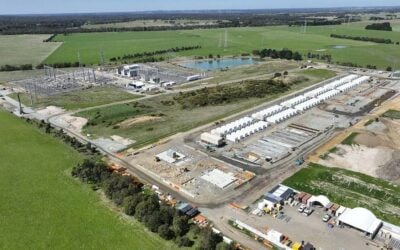
Siestorage – underpinning back-up supply and grid regulation on Italian island of Ventotene
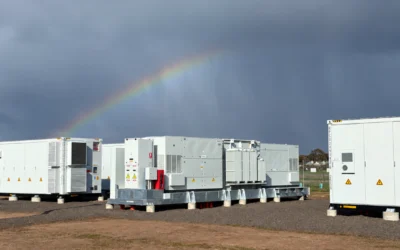
Siemens has installed a battery storage system on behalf of Italian energy utility Enel on the Mediterranean island of Ventotene. The new lithium-ion battery-based storage system provides 500kW of output, and capacity of 600kWh.
Ventotene is located around 100 kilometres south of Rome, and is disconnected from the Italian national power grid. With an area of just 153 hectares, the island’s power supply has until now been provided by four diesel generators and distributed residential solar power plants.
The new Siemens battery storage system, branded Siestorage, has been integrated into the island’s existing supply network. It uses integrated converters to stabilise frequency and voltage fluctuations, and balance the island network.
An intelligent control unit, developed with Enel, manages supply and demand within the system, and allows the diesel generators to be used more efficiently as short-term peak loads are covered by power from the storage system.
Try Premium for just $1
- Full premium access for the first month at only $1
- Converts to an annual rate after 30 days unless cancelled
- Cancel anytime during the trial period
Premium Benefits
- Expert industry analysis and interviews
- Digital access to PV Tech Power journal
- Exclusive event discounts
Or get the full Premium subscription right away
Or continue reading this article for free
The diesel generators can be switched off completely during periods of low demand, said Siemens, saving on fuel, reducing emissions, and limiting maintenance, said Siemens. It also saves on related emissions, as diesel fuel has to be specially transported to the island from the mainland, it said.
The storage systems prepares the Ventotene power network to support applications such as charging stations for electric vehicles, as well to increase its capacity so it can absorb fluctuating energy from renewable sources more effectively. It also helps with maintenance, as the diesel generators can now be temporarily disconnected from the network for work, and start-up in the event of power black-outs.
Ventotene – 600kWh battery storage system to supply the whole island, 10km south of Rome
Siemens is among a number of major German manufacturing brands to support a €30 millionn industrial-scale pilot production plant for “automotive-grade” lithium-ion cells by Germany’s Centre for Solar Energy and Hydrogen Research Baden-Württemberg.
It is working with Korean conglomerate LG on industrial battery storage systems, including work on its Siestorage solution for grid integration of renewable energy.