juwi Renewable Energy and the University of Queensland signed off on an agreement on 30 August 2018 to develop a PV / battery hybrid power solution at the Heron Island Research Station located in the Great Barrier Reef.
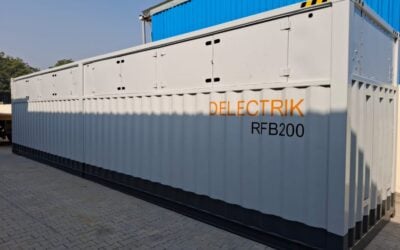
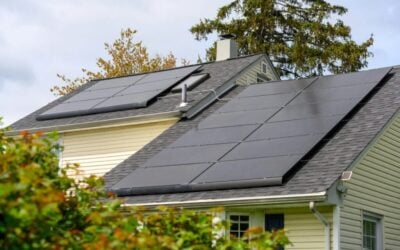
The hybrid installation is comprised of 500kW rooftop installation combined with a 0.6MWh vanadium flow battery integrated with diesel generators using a microgrid control system.
Once completed, the project is expected to cover over 80% of the research facilities’ yearly electricity outputs. It is expected to be operational in mid-2019.
Dave Manning, global head of hybrid for juwi said: “Hybrid power solutions offer the potential to significantly reduce the amount of diesel consumption in often pristine environments whilst maintaining reliability.
Try Premium for just $1
- Full premium access for the first month at only $1
- Converts to an annual rate after 30 days unless cancelled
- Cancel anytime during the trial period
Premium Benefits
- Expert industry analysis and interviews
- Digital access to PV Tech Power journal
- Exclusive event discounts
Or get the full Premium subscription right away
Or continue reading this article for free
“On top of that hybrid power stations now generate electricity at a lower cost than traditional fossil fuel power stations. We are looking forward to working with the University of Queensland to deliver this landmark project on the Great Barrier Reef.”