Battery storage is a “necessity” for Hawaii to reach its 100% renewable energy by 2045 target, leading to electric cooperative KIUC becoming the top-ranked US utility for watts of energy storage deployed per customer in 2017.
The US Smart Electric Power Alliance (SEPA), has just published a set of four Top 10 lists, ranking utilities in the country by annual megawatts of utility solar deployed as well as a separate table for annual watts per customer. California investor-owned utilities Pacific Gas & Electric (PG&E) and Southern California Edison topped the megawatt-rankings for utility-scale solar with Xcel Energy’s Minnesota branch in third. For watts deployed per customer, municipal utility Madison Electric Works in Maine took the top spot.
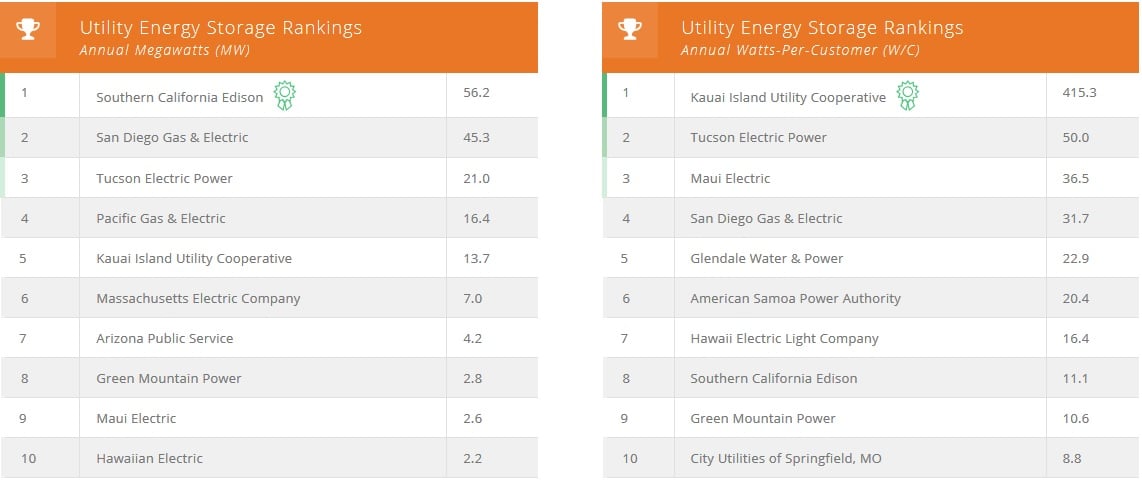
SEPA repeated the format for energy storage, looking at watts per customer, which KIUC (Kaua’i Island Utility Cooperation) topped. In second place was Tucson Electric Power (TEP) in Arizona, which in May last year claimed it had arrived at the lowest recorded prices to date for energy bought from a solar-plus-storage installation. Arizona is also now among the US states considering a large energy storage procurement target. In third for customer-facing storage deployment was another Hawaii utility, Maui Electric. KIUC managed 415.3 watts of energy storage deployments per customer, with TEP trailing in the distance on just 50 watts per customer and Maui Electric on 36.5 watts per customer.
SEPA repeated the ranking process for total megawatts deployed. As regular readers of the site will know, California’s position as the leading state for energy storage deployment in the US, making it one of the biggest markets in the world at present, is based on several market drivers. Preeminent among those drivers, where applicable to utilities, would be AB2514, California’s state mandate for investor-owned utilities to deploy 1.325GW of energy storage by 2025.
Try Premium for just $1
- Full premium access for the first month at only $1
- Converts to an annual rate after 30 days unless cancelled
- Cancel anytime during the trial period
Premium Benefits
- Expert industry analysis and interviews
- Digital access to PV Tech Power journal
- Exclusive event discounts
Or get the full Premium subscription right away
Or continue reading this article for free
Also in the past year, energy storage systems charged from solar arrays have started to be considered a suitable capacity resource for California utilities, particularly as legacy natural gas generation starts to reach the end of its lifetime in some cases. Going forward, that dynamic of gas versus storage and the greater consideration of energy storage in utilities’ Integrated Resource Plans is expected to continue pushing the utility market forward.
It comes as no surprise then that Southern California Edison and SDG&E, again both California investor-owned utilities, topped utility storage rankings by megawatt. SCE deployed 56.2MW, SDG&E 45.3MW while Arizona’s Tucson Electric Power again came in a somewhat distant third, with 21MW deployed in 2017.
KIUC supply manager Brad Rockwell spoke to SEPA about the rankings. Rockwell said that on Kau’ai, around 80% of mid-day electricity production comes from solar and as an island territory without the capacity to export power, the ability to store some of that energy becomes critical to economic, energy security and climate change goals.
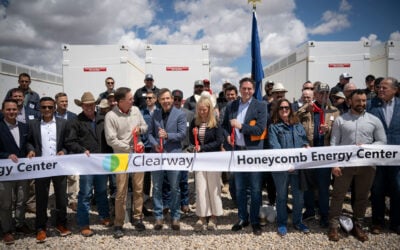
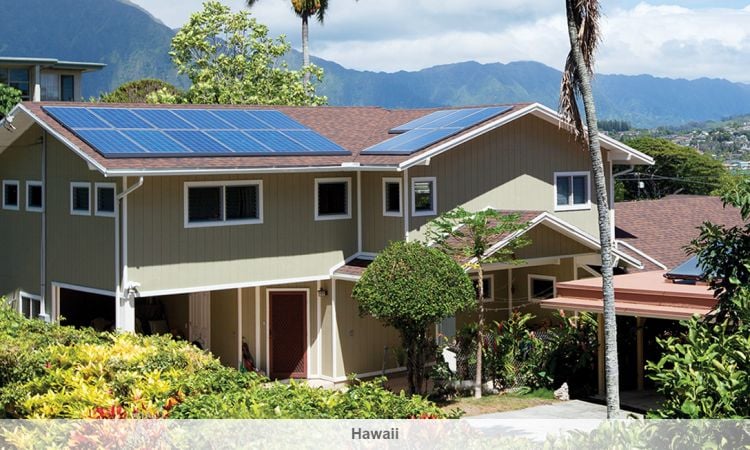
While Hawaii has a high proportion of houses and other buildings that host rooftop solar and latterly also energy storage, KIUC has also commissioned a large-scale ‘dispatchable solar’ project by Tesla, pairing 13MW of PV with 53MW of battery energy storage. Rockwell of KIUC said that PPA prices from the project “come in cheaper than oil-fired power”.