Trade associations the Australian Solar Council and counterpart the Energy Storage Council have merged together to form the national Smart Energy Council.
Australia now has more than four million solar rooftops and more recently has begun developing several large-scale solar and solar-plus-storage projects, with installed capacity now over 6GW. The Solar Council has existed in some form since 1954, representing not only the photovoltaics industry but also the market for solar water heaters, concentrating solar power (CSP), solar passive design for buildings and energy efficient materials.
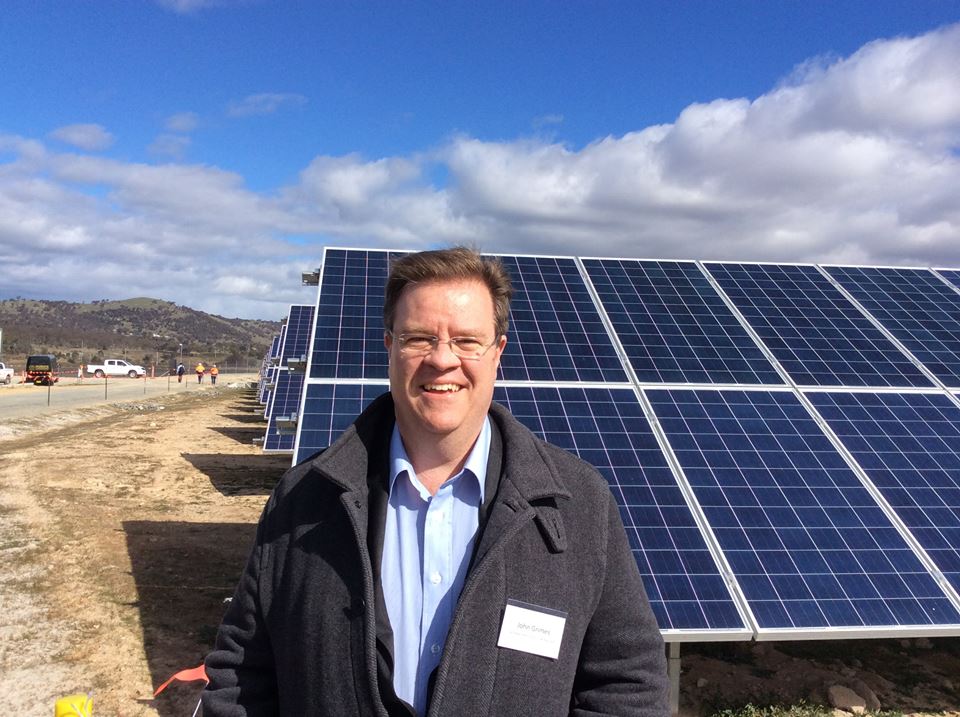
The Storage Council meanwhile was launched in September 2014 to support the integration of energy storage into grid networks. An offshoot of the solar group, it was also headed by the Solar Council’s CEO, John Grimes. Grimes said that part of the reason for its launch was to support utilities in becoming more comfortable with energy storage, so that Australia’s electricity market would not be left behind as the technology took off.
Part of storage body’s remit in those first three years of its existence was to aid the standardisation of products and services across the energy storage market. The Storage Council website includes Batteryfinder, a directory of mostly residential and commercial and industrial (C&I) battery energy storage systems on sale in Australia. It lists 38 currently-available models including lithium-ion and flow battery devices.
Try Premium for just $1
- Full premium access for the first month at only $1
- Converts to an annual rate after 30 days unless cancelled
- Cancel anytime during the trial period
Premium Benefits
- Expert industry analysis and interviews
- Digital access to PV Tech Power journal
- Exclusive event discounts
Or get the full Premium subscription right away
Or continue reading this article for free
“Australia will inevitably be powered by Smart Energy. We represent the most innovative renewable energy leaders in the field. We are transforming to better reflect our members and Australia’s energy future,” John Grimes, who was again appointed CEO of the merged group, said in a statement this morning.
“Clean energy is evolving rapidly and becoming cheaper and smarter. Our members are at the forefront of developing cheap renewables. Cheap battery storage, off river pumped hydro and other forms of energy storage, are all being harnessed by Smart Energy IT systems, to bring together a complete and affordable solution.
“Australians want cheap, reliable, clean energy because they know it’s the smart choice. They want tailored solutions that match supply and demand in the most efficient and cleanest way. They want control of their energy. They want to produce and store their own energy. They want smart energy management systems that do the work for them.”
Grimes said the newly formed group will “represent the national voice of the solar, storage and smart energy management industries”.