A county authority in New Mexico, US, has approved an industrial revenue bond (IRB) to support the development of a battery energy storage system (BESS) project from Blackstone-owned developer-operator Aypa Power.
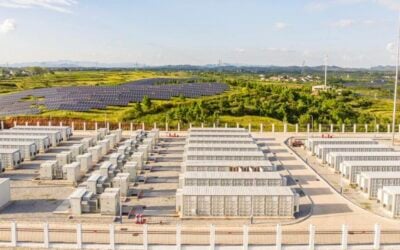
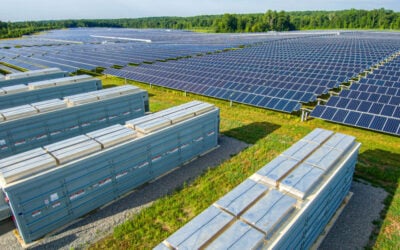
The Bernalillo County Board of County Commissioners yesterday (28 October) approved an ordinance to issue US$190 million in IRBs for the Sun Lasso Energy Center, an energy storage project being developed by Aypa Power. The project will be a 4-hour system, with 150MW/600MWh of energy storage capacity.
An IRB is a type of bond issued by a municipality to finance a project it deems to have a wider public benefit. The payouts to the IRB holders are financed by the revenues from the project. The IRB effectively provides a tax exemption to defray part of the cost of the project.
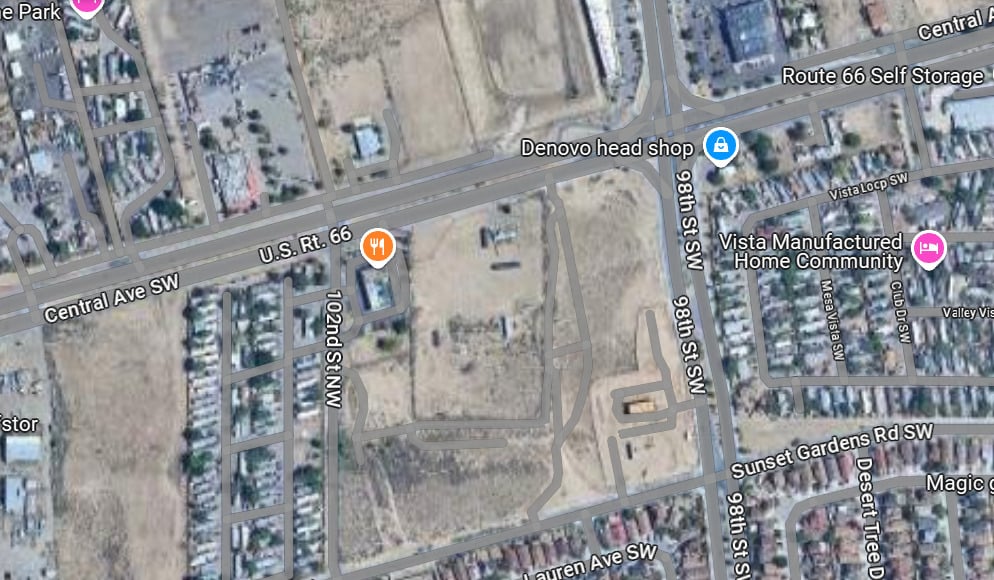
The project, which will be built on a nine-acre plot in Albuquerque’s westside, should enter construction in 2025 with operations beginning in late 2027.
Try Premium for just $1
- Full premium access for the first month at only $1
- Converts to an annual rate after 30 days unless cancelled
- Cancel anytime during the trial period
Premium Benefits
- Expert industry analysis and interviews
- Digital access to PV Tech Power journal
- Exclusive event discounts
Or get the full Premium subscription right away
Or continue reading this article for free
It was procured by utility Public Service Company of New Mexico (PNM) as part of its 2026-2028 Generation Resources Request for Proposals (RFP), and will include upgrades to a PNM substation that it will connect to. PNM is aiming to be zero-carbon by 2040.
“The Sun Lasso Energy Center represents the future of electric energy in New Mexico,” said district commissioner Steven Michael Quezada.
“PNM appreciates the support of Bernalillo County for renewable energy projects such as the Sun Lasso Battery Energy Storage System,” added Don Tarry, PNM president and CEO.
The New Mexico Public Regulation Commission (NMPRC) recently approved PNM’s request to add 309MW of BESS from separate projects to its grid by summer 2026, in June this year (Premium access article). Long-term offtake agreements by utilities like PNM for solar-plus-storage or standalone storage are driving the large-scale market in New Mexico.
Virtually all large-scale BESS projects being built in New Mexico are 4-hour systems, including ones reported on by Energy-Storage.news this year from D.E. Shaw, Enlight and EDF.