Developer and IPP Leeward Renewable Energy and California utility PG&E have agreed a long-term resource adequacy (RA) agreement for a large-scale, PV co-located BESS in Arizona.
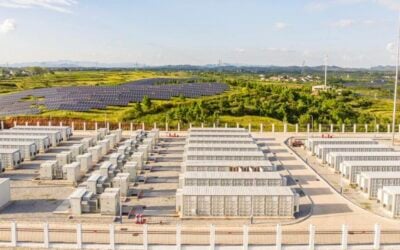
The 15-year agreement covers the energy from the Sierra Pinta battery energy storage system (BESS) project in Yuma County, Arizona, a 112.5MW/450MWh project set to start construction in September for commercial operation in H1 2025.
Although the project is in Arizona, PG&E primarily serves customers in neighbouring California and so the BESS will benefit both states’ electricity networks. California’s wholesale energy market is administered by CAISO but the state is part of the Western Interconnection, a wide synchronous grid area covering some or all of 14 states.
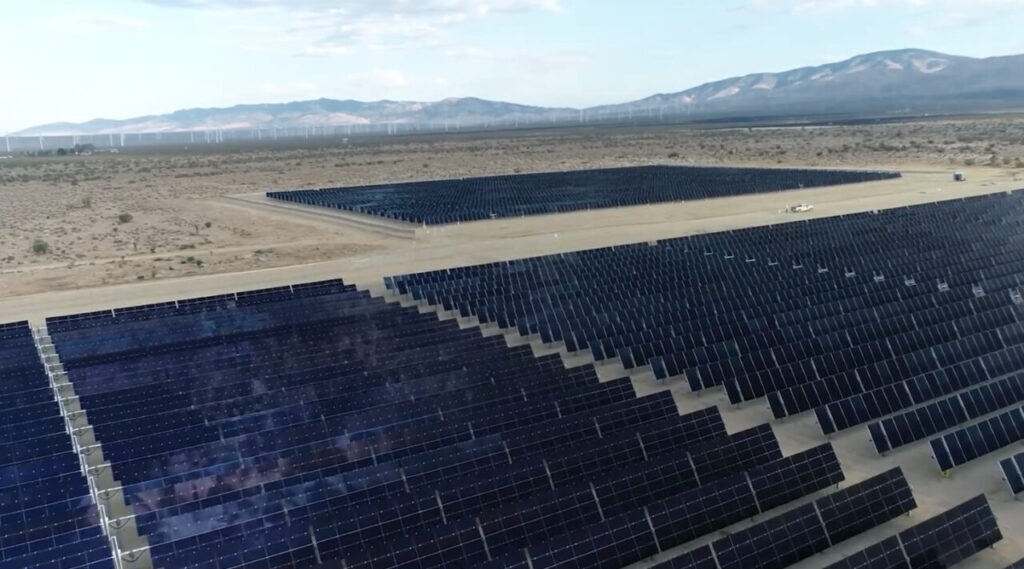
The Sierra Pinta BESS is adjacent to Leeward’s 179MW White Wing Ranch Solar project which is already under construction. That solar PV project has its own separate power purchase agreement (PPA) with telecoms giant Verizon, as covered by our colleagues at PV Tech.
Try Premium for just $1
- Full premium access for the first month at only $1
- Converts to an annual rate after 30 days unless cancelled
- Cancel anytime during the trial period
Premium Benefits
- Expert industry analysis and interviews
- Digital access to PV Tech Power journal
- Exclusive event discounts
Or get the full Premium subscription right away
Or continue reading this article for free
A resource adequacy (RA) agreement involves a resource committing to bid or self-schedule its capacity into the CAISO market, and is CAISO’s means of ensuring there is enough capacity to meet demand, with a reserve margin, without using centralised capacity market (CM) auctions.
California has long been the leader in the US BESS market with high solar PV deployments and electricity demand, and plentiful land to build projects on meaning it has over 10GW online today (and growing).
But Arizona is quickly becoming a hotbed of grid-scale BESS activity, with long-term PPAs, tolling agreements and RA deals driving the construction of large-scale projects. In May, Plus Power secured tax equity for a 360MWh project while in March Longroad Energy started building an 855MWh system. The same month, a 1GWh project came online, claimed to be the state’s largest.