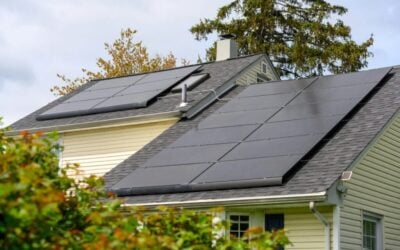
The German energy storage market continued to be dominated by the residential segment in 2021, although utility-scale battery revenues grew by nearly six times year-on-year, according to new figures from the national storage association.
The Energy Storage System Association (BVES) report said that residential accounted for around half of the sector’s total revenues last year of €8.9 billion (US$9.51 billion). Within residential, €1.6 billion was battery energy storage system (BESS) and €3.9 billion was thermal storage sales. The segment grew overall by 25%: 23% for BESS and 26% for thermal storage.
The utility-scale segment’s revenues grew 25% to €2.3 billion, of which the bulk was from pumped hydro storage at €1.8 billion.
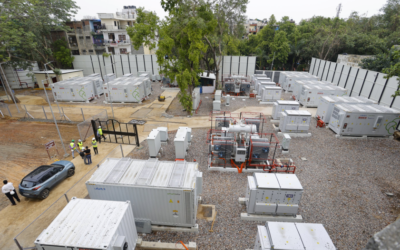
However, within the utility segment, BESS revenues grew by nearly six times to €441 million, from just €78 million in 2020. BVES said that BESS projects benefitted from higher system balancing costs. Heat storage made up 1-2% of the utility segment in both years.
Try Premium for just $1
- Full premium access for the first month at only $1
- Converts to an annual rate after 30 days unless cancelled
- Cancel anytime during the trial period
Premium Benefits
- Expert industry analysis and interviews
- Digital access to PV Tech Power journal
- Exclusive event discounts
Or get the full Premium subscription right away
Or continue reading this article for free
It did say that there were fewer utility-scale installations in 2021 compared with 2020, which matches up with research published by a group of German academics in March, but the average project size grew.
UK energy storage investor Gore Street Capital capitalised on growing returns in the utility-scale BESS sector in Germany when it entered the market recently.
Drivers of the residential storage market include proliferation of solar PV, meaning more co-located projects, home batteries no longer being seen as a luxury item in light of the energy crisis and the growth of EVs.
Commercial & industrial-sited projects also had a good year with 36% revenue growth to €1.94 billion, which includes €140 million of hydrogen projects, meaning it accounted for about 21% of the German energy storage market.
Research projects for storage made up the small remainder of the sector’s €8.9 billion revenues in 2021.
Growth in demand and customer awareness of energy storage may have also accelerated recently with the effect that Russia’s invasion of Ukraine has had on energy prices, with C&I BESS provider Tesvolt saying that its year-in-year orders were up nearly 200% in March.
German energy storage market player offers customers exposure to wholesale markets
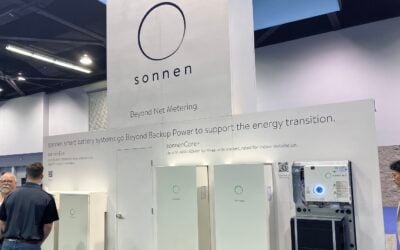
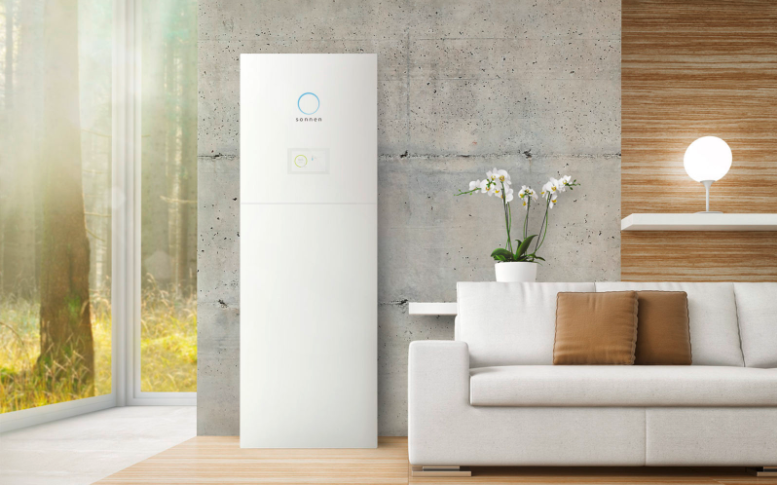
Meanwhile, one of Germany’s big three residential BESS providers sonnen has announced it will offer households the possibility to switch between feed-in-tariffs from the Renewable Energy Act (EEG) remuneration and wholesale market prices.
The ‘sonnenFlat direct’ power supply plan will come in during quarter three 2021 and will first be offered to those with new rooftop PV paired with sonnen’s battery storage. Existing customers with solar PV will need to wait until 2023 to be eligible.
The Shell-owned company will offer customers a set payment rate of €0.10c/kWh for 2022, higher than the current €0.0693c/kWh currently paid under the country’s EEG tariff, but customers can switch back to EEG if it grows to outcompete sonnen’s offer.