Renewable energy developer Frontier Energy will pursue alternative funding solutions after missing out on Reserve Capacity Credits (RCCs) from the Australian Energy Market Operator (AEMO) for its 360MWh Waroona Renewable Energy Hub in Western Australia.
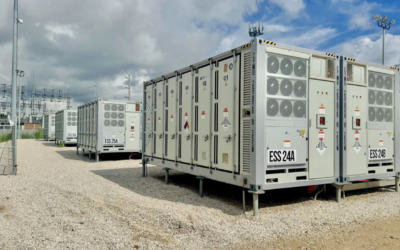
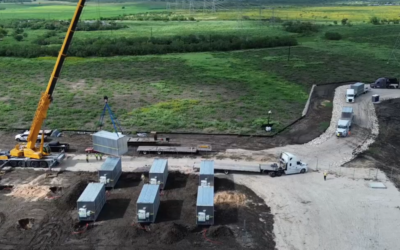
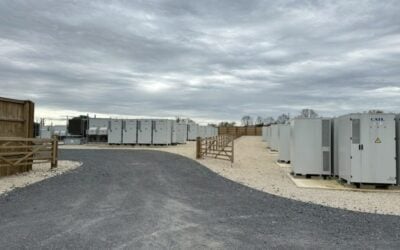
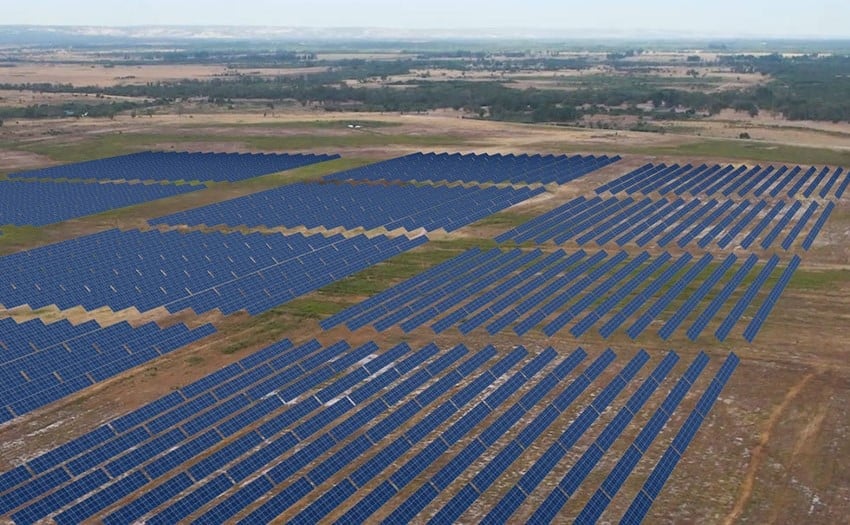
The Waroona project’s first stage would feature a 120MW solar PV power plant along with an 80MW/360MWh DC-coupled battery energy storage system (BESS). Once fully completed, Frontier said it would be one of Australia’s largest renewable energy projects, with a 1GW connection capacity.
Waroona was provisionally assigned 87.2MW of Certified Reserve Capacity in August 2024, but Frontier missed out on securing RCCs in the final allocation process.
The Reserve Capacity Mechanism (RCM), which encompasses RCCs, ensures sufficient generation capacity in the South West interconnected system (SWIS). Generators in the Wholesale Electricity Market (WEM) receive a fixed dollar payment per megawatt from the AEMO based on the Reserve Capacity Price (RCP). These payments would be guaranteed for five years.
Try Premium for just $1
- Full premium access for the first month at only $1
- Converts to an annual rate after 30 days unless cancelled
- Cancel anytime during the trial period
Premium Benefits
- Expert industry analysis and interviews
- Digital access to PV Tech Power journal
- Exclusive event discounts
Or get the full Premium subscription right away
Or continue reading this article for free
A Definitive Feasibility Study (DFS) conducted by Frontier for the Waroona project estimated that RCM payments would provide up to AU$27 million (US$18.6 million) per annum of revenue in the project’s first stage. As such, Frontier employed a five-year strategy for the Waroona project, which factored in AEMO’s forecast of a ~1GW reserve capacity deficit in 2026/2027.
AEMO also said there was an urgent need for substantial new investment in generating capacity.
Frontier said the RCC outcome was due to a significant excess capacity in the 2026/27 year, primarily from standalone batteries. The majority of these batteries received payments of up to AU$591,000/MW for NonCo-optimised Essential System Services (NCESS).
As a result, Frontier’s debt mandate with Infradebt has been mutually terminated because the debt sizing, which could have reached up to AU$215 million, was dependent on the final allocation and price of RCCs.
Alternative funding options include the Capacity Investment Scheme
Adam Kiley, CEO of Frontier Energy, outlined that the funding options that will be explored had not been considered due to the expectation of securing RCCs from AEMO.
“Whilst the outcome of AEMO’s allocations is not ideal, energy prices remain at record highs, and are forecast to continue into the future, the underlying fundamentals for our Waroona Renewable Energy Project remain excellent,” Kiley said.
“Frontier will now pursue multiple funding solutions that were not previously fully examined due to our RCC expectations.”
The company said that these alternative funding options include bonds, equipment financing, and equipment supplier equity opportunities. These could provide greater flexibility in the project’s development and limit the development delay, which is forecast to be less than a year. Kiley also said Frontier will look towards the Federal government’s Capacity Investment Scheme for additional funding.
“In addition, Frontier has applied for the Federal government’s AU$67 billion Capacity Investment Scheme which opened in Western Australia. Round one is focused on hybrid facilities and standalone batteries. Given the lack of new renewable energy projects as advanced as our Waroona Project that have not received NCESS, which excludes them from participating, Frontier is hopeful of a successful outcome,” Kiley said.
It is worth noting that Waroona Energy, the original developer behind the Waroona Energy Project, was acquired by Frontier Energy in late 2023. Frontier already owned one-fifth of Waroona’s shares and, via the acquisition, took over the project’s development.