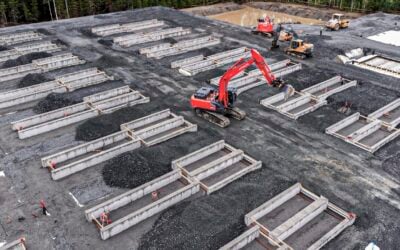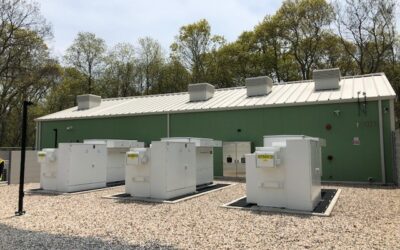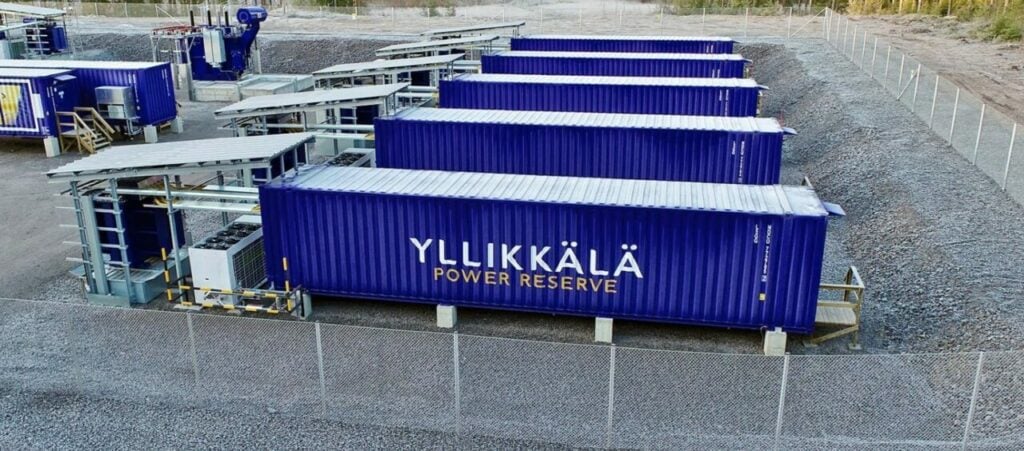
IPP Neoen has started construction on a 2-hour 56.4MW/112.9MWh BESS in Finland, in the context of market dynamics which optimiser Capalo AI explained to Energy-Storage.news.
The Paris-headquartered independent power producer (IPP) announced construction on the Yllikkälä Power Reserve Two (YPR2) project last month (27 December), describing it as the largest battery energy storage system (BESS) in the Nordics.
The BESS project will be in Yllikkälä, near Lappeenranta city, and will be next to the 30MW/30MWh Yllikkälä Power Reserve, Neoen’s first BESS in Finland which is already online.
System integrator Nidec ASI will provide the BESS, power conversion equipment and engineering, procurement and construction (EPC) services for the project, which will connect to grid operator Fingrid’s Yllikkälä substation and is expected to come online in the first half of 2025.
Try Premium for just $1
- Full premium access for the first month at only $1
- Converts to an annual rate after 30 days unless cancelled
- Cancel anytime during the trial period
Premium Benefits
- Expert industry analysis and interviews
- Digital access to PV Tech Power journal
- Exclusive event discounts
Or get the full Premium subscription right away
Or continue reading this article for free
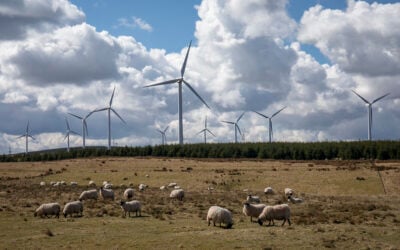
Neoen will be the long-term owner and operator of the project, which builds on its substantial wind presence in Finland.
Market and regulations driving a move to 2-hour durations
The project is noteworthy not just for its size but its 2-hour duration, in a market where projects have typically been largely 1-hour and focused almost entirely on targeting the country’s different ancillary service revenue opportunities (mFRR, aFRR, FCR-N, FCR-D, and FFR).
Henri Taskinen, CEO of Finland-headquartered BESS optimisation firm Capalo AI, explained that this move is down to a new regulation from Fingrid and an increase in electricity market trading opportunities.
“The market is shifting to longer duration (mainly 2-hour) BESS for a couple of reasons. Firstly, the Nordic TSOs developed a new regulation for batteries, which went live on 1 September, 2023. The regulation addresses ‘Limited Energy Reservoirs,’ meaning under 2-hour batteries, and largely affects 1-hour systems,” Taskinen said.
The regulation effectively limits the amount a 1-hour BESS can bid into ancillary services when compared to a 2-hour (or more) system.
An example Taskinen cites is a 10MW/10MWh battery, which would be limited to bids of 5MW for FCR-N (from 10MW prior) and 8.3MW for FCR-D up and down when bidding simultaneously (previously 10MW as well). A 2-hour BESS would not face these constraints which is a major reason the market is shifting to 2-hours.
The new regulation appears similar to rules which the grid operator in Texas, US, tried to implement but were recently shot down by its energy regulator (Premium access).
The other factor is market-driven. As seen in other European markets with more BESS online like Germany and the UK, opportunities for BESS in energy trading are growing as volatility increases which is increasing the business case of 2-hour systems.
Taskinen: “This is one key factor to consider when acquiring BESS assets and choosing the right optimiser and market access partner. Longer duration assets earn more revenues from wholesale market volatility when optimised intelligently. We believe the revenue stack will shift to wholesale, as seen in Germany.”
Energy-Storage.news’ publisher Solar Media will host the 9th annual Energy Storage Summit EU in London, 20-21 February 2024. This year it is moving to a larger venue, bringing together Europe’s leading investors, policymakers, developers, utilities, energy buyers and service providers all in one place. Visit the official site for more info.