Lithuania can move ahead with a scheme to provide €180 million (US$200 million) in grants to energy storage projects after it was approved by the EU.
The programme will provide direct grants for the construction of the projects, with a target to support at least 1.2GWh of energy storage projects. The grants will cover a maximum of 30% of the projects’ capital expenditure costs.
The scheme was approved under the State aid Temporary Crisis and Transition Framework (‘TCTF’), the bloc’s programme to support member states’ economies in the context of Russia’s invasion of Ukraine and the regional gas supply crisis that exacerbated.
The money will be available to all energy storage technologies that are directly connected to the transmission network, and winning projects will be selected through a competitive bidding process. Aid will be granted no later than 31 December, 2025.
Try Premium for just $1
- Full premium access for the first month at only $1
- Converts to an annual rate after 30 days unless cancelled
- Cancel anytime during the trial period
Premium Benefits
- Expert industry analysis and interviews
- Digital access to PV Tech Power journal
- Exclusive event discounts
Or get the full Premium subscription right away
Or continue reading this article for free
In its decision note, the EU said: “The scheme is necessary, appropriate and proportionate to accelerate the green transition and facilitate the development of certain economic activities.”
The EU recently approved €1.2 billion for energy storage Poland under the TCTF, as covered by Energy-Storage.news, and in mid-2023 approved amounts under the TCTF in Hungary and Slovenia. Panelists at this year’s Energy Storage Summit Central and Eastern Europe (CEE) in September described Hungary’s scheme as one of the most advanced in the world.
Grant support for energy storage in the EU has also been activated via a separate scheme, the post-Covid-19 Recovery and Resilience Plan, including in Romania, Finland and Greece.
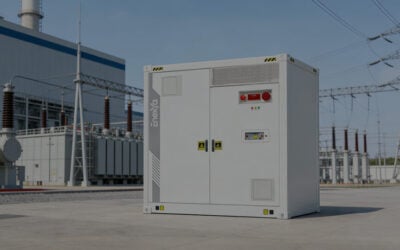
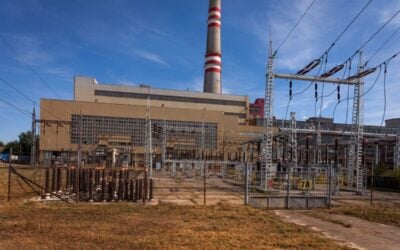
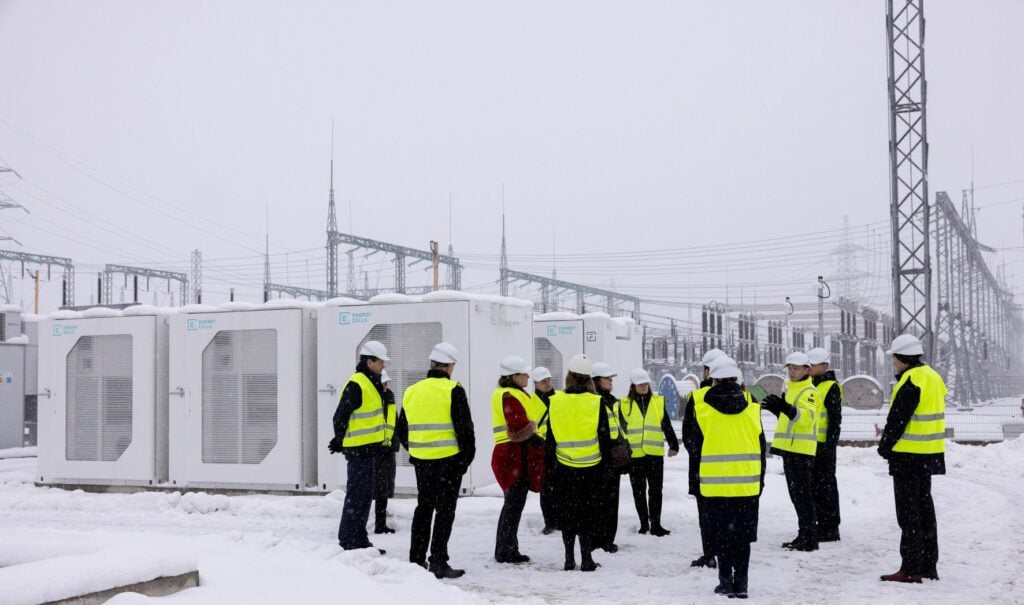
Lithuania is notable for being the site of one of the world’s first major storage-as-transmission projects, with four 50MW/50MWh systems deployed by system integrator Fluence for transmission system operator (TSO) Litgrid, one of which is pictured at the top of this article. The TSO’s head of innovation Audrius Baranauskas talked to Energy-Storage.news about the significance of the project at last year’s Energy Storage Summit CEE event.