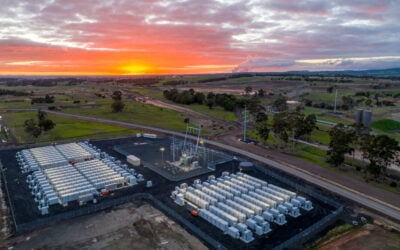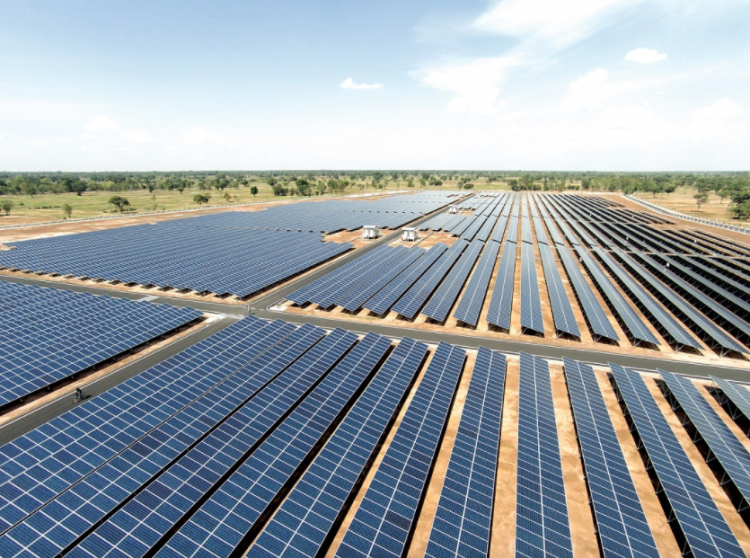
A subsidiary of solar EPC Sterling and Wilson has signed a memorandum of understanding with the government of Nigeria to develop and construct a portfolio of PV and battery energy storage system (BESS) projects in the country.
Sterling and Wilson Solar Solutions, along with its consortium partner Sun Africa, will develop 961MWp of solar at five locations along with BESS with total installed capacity of 455MWh.
Financing for the projects is under negotiation between the US Export-Import Bank, ING and the government of Nigeria.
The installations will ultimately be owned and operated by Niger Delta Power Holding Company, a Nigerian government-owned entity.
This article requires Premium SubscriptionBasic (FREE) Subscription
Already a subscriber? Sign In
Try Premium for just $1
- Full premium access for the first month at only $1
- Converts to an annual rate after 30 days unless cancelled
- Cancel anytime during the trial period
Premium Benefits
- Expert industry analysis and interviews
- Digital access to PV Tech Power journal
- Exclusive event discounts
Or get the full Premium subscription right away
Or continue reading this article for free
To read the full version of this story, visit PV Tech.