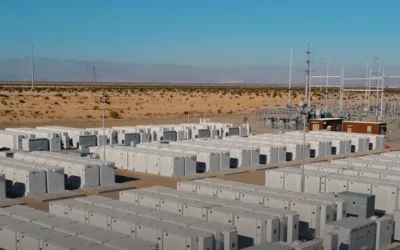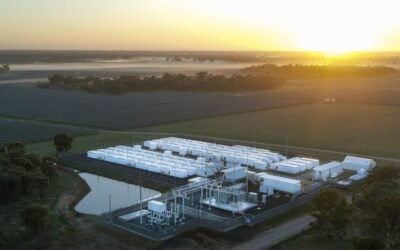
ENGIE has pulled out of a large-scale solar-plus-storage project contract in the Western Pacific US island territory of Guam.
The French multinational energy group had in 2019 won contracts to deliver 50MWp of solar PV with 300MWh of battery storage in a renewable energy tender hosted by state electric utility Guam Power Authority.
However, according to NHOA, the system integrator contracted to supply the battery energy storage system (BESS), Guam Power Authority has decided to cancel the tender after ENGIE said the project would not be viable if built in today’s market conditions under the contract prices agreed three years ago.
ENGIE notified NHOA of the Guam Power Authority’s action on 21 July, NHOA said in a presentation of its H1 2022 audited financial results, released on 28 July.
Try Premium for just $1
- Full premium access for the first month at only $1
- Converts to an annual rate after 30 days unless cancelled
- Cancel anytime during the trial period
Premium Benefits
- Expert industry analysis and interviews
- Digital access to PV Tech Power journal
- Exclusive event discounts
Or get the full Premium subscription right away
Or continue reading this article for free
ENGIE had submitted the lowest bid in the third round of the Micronesian Island’s competitive renewable tender programme to earn the right to a 20-year power purchase agreement (PPA).
It had appointed its storage subsidiary, ENGIE EPS, to supply the turnkey BESS which would be equipped with Samsung SDI batteries.
As regular readers of the site might know, ENGIE EPS then changed hands as Taiwan Cement Corporation (TCC) became the majority shareholder of the company, changing its name to NHOA.
NHOA said its energy storage business line achieved EBITDA breakeven in the first half this this year, reporting €1.8 million (US$1.84 million) positive EBITDA. CEO Carlalberto Guglielminotti said in a webcast that this beat the company’s target of breaking even by the end of the year.
“I am not aware of any other pure player in energy storage that has reached breakeven in history and worldwide. But certainly, analysts and investors that joined the call can correct me if I’m wrong,”
As mentioned in Energy-Storage.news’ coverage when the unaudited figures were released, energy storage accounted for €72.7 million (US$74.51 million) of the company’s global revenue and income total of €82.2 million for the half-year.
The Guam project had however accounted for nearly all of NHOA’s contracts secured in its energy storage business. NHOA said that as a result, from the next reported period, it will no longer disclose ‘Contracts Secured’ or consider it a performance metric.
NHOA also contracted to ENGIE’s cancelled Hawaii project
Regular readers of this site will also know it’s not the first time ENGIE has pulled out of a large-scale island renewables-plus-storage project with NHOA.
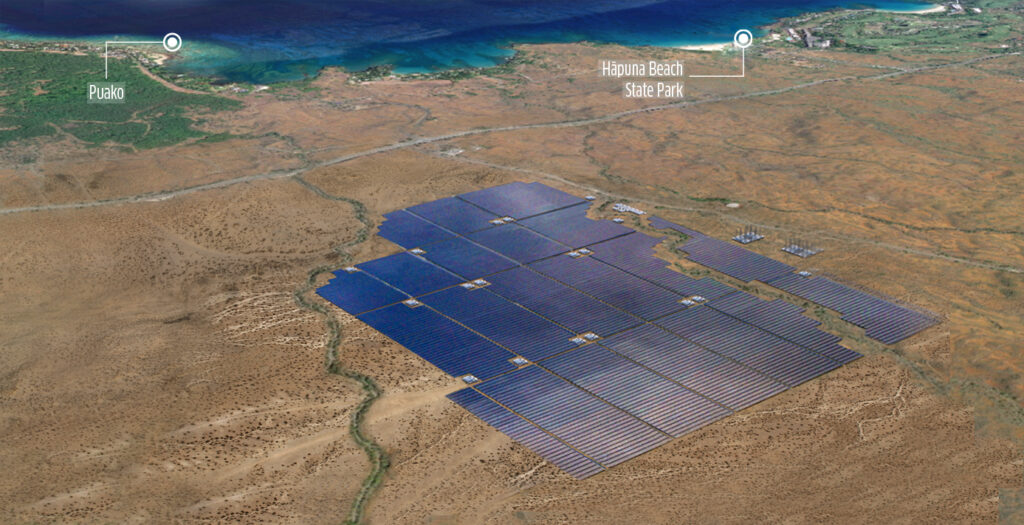
Last October ENGIE dropped a project in Hawaii, which again it had won a tender for with the local utility. Poised to sign a 25-year PPA with Hawaiian Electric (HECO) for Puako, a 60MWp solar PV plant with 240MWh BESS, ENGIE cancelled it.
NHOA would have supplied the BESS and said at the time it was “disappointed” with its former parent company’s decision, with ENGIE citing solar industry headwinds and high grid connection costs among its reasons.
The dropping of the Guam project might come as a bigger surprise however, because ENGIE had fought a battle to keep it: in 2020 after the tender win was announced developer GlidePath, an unsuccessful bidder in the process, had lodged an appeal with bodies including the regulatory Guam Public Utilities Commission (GPUC).
GlidePath’s complaints included an alleged non-compliance with the solicitation’s technical requirements in ENGIE’s bid. COVID-19 then delayed that whole appeals process before eventually rulings were made in ENGIE’s favour in court in January this year.
Meanwhile, NHOA’s presentation last week mostly reiterated aspects of the company’s performance already covered in its unaudited results release, but NHOA also offered revenue guidance in the range of €140 million to E€160 million for FY2022 across its three business lines: energy storage, e-mobility and EV fast charging infrastructure.
This was up from previous guidance of €100 million to €150 million.