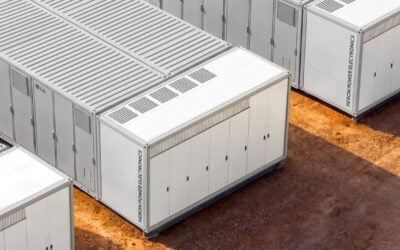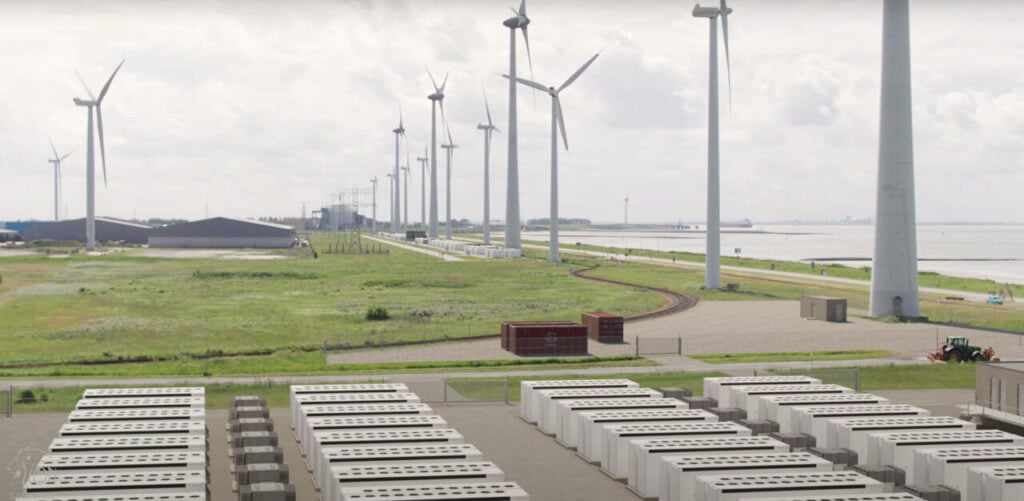
Lion Storage has received a construction permit for a 347MW/1,457MW BESS project while Giga Storage hopes to start construction on a similarly sized one this year, representing a major step forward for the grid-scale energy storage market in the Netherlands.
Developer Lion Storage has received a construction permit for its first battery energy storage system (BESS) project, Mufasa, it announced on LinkedIn yesterday (24 June). The project in the port area of Vlissingen, northern Netherlands, is expected to be operational in 2026, Lion has said in the past.
In concurrent news, Giga Storage hopes to start construction on its 300MW/1,200MWh Leopard BESS project in the Netherlands this year, CCO Lars Rupert told Energy-Storage.news whilst at the ees Europe trade show and conference last week.
Leopard is also planned for a location in the north of the country, at a former aluminium smelting site of now-bankrupt firm Aldel.
Try Premium for just $1
- Full premium access for the first month at only $1
- Converts to an annual rate after 30 days unless cancelled
- Cancel anytime during the trial period
Premium Benefits
- Expert industry analysis and interviews
- Digital access to PV Tech Power journal
- Exclusive event discounts
Or get the full Premium subscription right away
Or continue reading this article for free
The two announcements are major steps forward for the energy storage market in the Netherlands, which is generally agreed to be significantly further behind than neighbouring Belgium and Germany.
The business case in the Netherlands for large-scale BESS has generally been weaker because of, amongst other things, high grid fees for charging (which do not exist in the other countries).
The two largest operational projects in the country are 62.6MWh and 68MWh systems owned and operated by another firm SemperPower, monetised mainly via tolling deals, which the firm’s commercial director discussed with Energy-Storage.news (Premium access).
Efforts have recently been made by regulators to create the right environment for larger-scale projects to be deployed, including making grid fees more flexible and providing subsidies for co-located projects.
“As the Dutch energy transition efforts accelerate, the demand for flexibility is growing also. The challenges to our electricity grid have never been greater. Without adequate energy storage, the Netherlands risks increasing grid instability and security of supply risks,” Lion Storage said in its announcement.
Giga Storage is the owner and operator of what used to be the country’s largest projects, and has recently made a big push into Belgium too with a 2,400MWh project it also hopes to start construction on in 2025.
Rupert told Energy-Storage.news that the company has chosen the BESS provider for the Leopard project in the Netherlands though isn’t revealing it at this stage. He did, however, say that the company wants to contract with Tier 1 suppliers, most likely those based in Europe.
Lion Storage’s video render of its Mufasa BESS project showed it being comprised of units resembling Tesla Megapacks, though it hasn’t officially revealed its choice of provider either.