The US Department of Energy Loan Programs Office (LPO) is continuing to work with battery recycling firm Li-Cycle on its loan application, a spokesperson told Energy-Storage.news, after Republican lawmakers questioned the LPO director’s role in granting the loan to the firm.
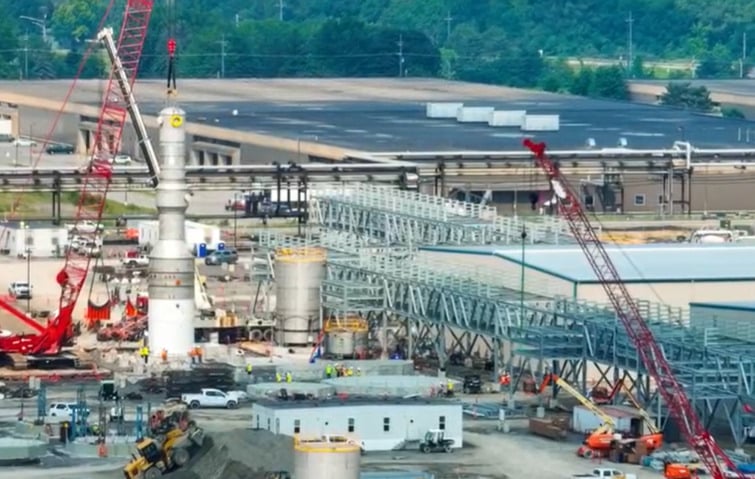
As Energy-Storage.news reported this week, Li-Cycle has had to stop construction on its main hydrometallurgical recycling plant for lithium-ion batteries in New York after projected costs nearly doubled to potentially US$1 billion.
While the vast majority of lithium-ion battery energy storage systems (BESS) online today have been deployed in just the past few years, dealing with the battery cells at end-of-life (EOL) through either recycling or reuse will become a significant challenge in the coming years and decades.
The pause in construction by Li-Cycle last month came nine months after the company received a US$375 million conditional loan commitment from the LPO for the facility.
Try Premium for just $1
- Full premium access for the first month at only $1
- Converts to an annual rate after 30 days unless cancelled
- Cancel anytime during the trial period
Premium Benefits
- Expert industry analysis and interviews
- Digital access to PV Tech Power journal
- Exclusive event discounts
Or get the full Premium subscription right away
Or continue reading this article for free
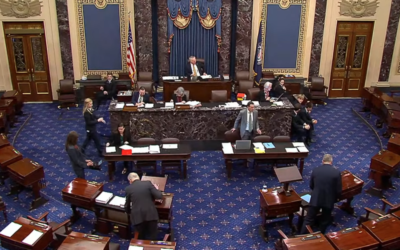
The role of LPO director Jigar Shah in that process has been questioned by Republican lawmakers in separate letters to the LPO and Shah in November and December, with senator John Barosso calling some specifics of his involvement “extremely concerning”.
He pointed to Shah’s account in the Wall Street Journal of an exchange between him and Li-Cycle CEO Ajay Kochhar which appears to contradict a previous statement to a Senate Committee about how central a figure he is in the LPO loan applications process.
Barosso alleged that Shah “….personally recruited and facilitated a federally-backed loan of US$375 million to a company that is on the brink of collapse (referring to Li-Cycle).”
The DOE has since responded to the November and December letters though the responses are not publicly available.
In a statement provided to Energy-Storage.news yesterday, an LPO spokesperson said: “As with every conditional commitment issued by the Department of Energy, prospective borrowers must fulfill conditions precedent ahead of a loan closing, which can include legal, technical, commercial, contractual, and financial requirements.”
“The Department of Energy Loan Programs Office is continuing to work with Li-Cycle with respect to the previously announced conditional commitment for a US$375 million loan for the project.”
The LPO is a huge part of the US governments’ drive to kickstart a domestic clean energy manufacturing sector, with 189 active applications seeking US$174.7 billion in financing as of the end of October.
The director of the LPO however does does not make individual decisions regarding whether an application gets through the evaluation process, or whether an applicant ultimately gets issued a loan.
Shah has given interviews to Energy-Storage.news this year, in January and September (Premium access). In the latter he discussed the Li-Cycle application saying:
“We’re very proud of Redwood and Li-Cycle; don’t me wrong, but we’re not saying as a result that of the 443 recycling companies [out there], these are the two best ones.”
“We’re saying that they are the two that applied to the Loan Programs Office, we reviewed them, we think that they have a solid business plan, and they’re likely to pay back the loan.”
A source familiar with the matter told Energy-Storage.news that any loan comes with some risk and that Congress – the legislative arm of the US government – has anticipated potential risks and losses with loan issuances and has provided considerable ample credit subsidiary appropriations to budget for expected losses.
Energy-Storage.news’ publisher Solar Media will host the 5th Energy Storage Summit USA, 19-20 March 2024 in Austin, Texas. Featuring a packed programme of panels, presentations and fireside chats from industry leaders focusing on accelerating the market for energy storage across the country. For more information, go to the website.