
The first half of the year saw mixed results among China’s leading ESS suppliers, though generally the industry is still performing strongly, writes PV Tech ESS analyst Charlotte Gisbourne.
Battery storage has been acknowledged as a crucial part of energy infrastructure, with growing global adoption and government policies promoting the technology. Given strong market growth, battery storage suppliers are poised to capitalise on expanding opportunities.
However, suppliers cannot afford complacency, as intense competition and diverse business strategies have produced mixed results amongst leading BESS suppliers. This article examines the H1 2026 financial performance of leading energy storage suppliers and cell manufacturers based in China.
The first half of the year saw elevated battery material prices, with copper (a key component in battery anodes) continuing its upward trend and lithium carbonate rebounding after multi-year declines. A lack of in-house cell production could place some suppliers on a slightly more negative footing in this regard, given that they hold less pricing power, and intense competition limited the overall energy storage system price rise. Major suppliers are increasing participation in the upstream supply chain to mitigate risk in material cost fluctuation moving forward.
Try Premium for just $1
- Full premium access for the first month at only $1
- Converts to an annual rate after 30 days unless cancelled
- Cancel anytime during the trial period
Premium Benefits
- Expert industry analysis and interviews
- Digital access to PV Tech Power journal
- Exclusive event discounts
Or get the full Premium subscription right away
Or continue reading this article for free
Suppliers are actively trying to mitigate potential margin pressure in energy storage solutions, branching into other areas within the ESS business, such as optimisation and trading services, which typically have higher margins. This would also provide a recurring revenue stream, increase the supplier’s role in the energy storage ecosystem, and could result in longer-term deals with customers.
Rising electricity consumption and the need for reliable sources of power in addition to grid stability have driven demand for energy storage solutions to new heights. Despite China remaining the dominant market for ESS, the rise in global adoption is making overseas deals more sought after. In order to meet demand, capacity expansion plans were still going strong, and spending was ramping up across the industry in the first half of the year.
CapEx rose by an average of 71% year-on-year (YoY), with suppliers making substantial commitments to international facilities. For example, CATL, one of the largest global ESS cell suppliers, has been investing heavily across the globe and the battery supply chain. Of the company’s CNY 33 billion (US$4.9 billion) in manufacturing projects under construction, 40% are overseas.
Battery storage has seen significant technological developments in recent years, and as a result, R&D spending has generally risen 17% on average, as suppliers keep pace with new advancements. 2026 has seen strides in the commercialisation of sodium-ion batteries and in the development of solid-state batteries. The rise of AI usage and the building out of data centres has led to energy storage suppliers developing data centre-geared solutions.
Government policies have long been a key factor in the overall energy storage market condition and can strongly influence which suppliers are likely to fare better. The US FEOC regulations and domestic content bonus have been shown to benefit South Korean battery manufacturers that had seen numerous quarters of financial losses due to the weakened EV demand. The companies have been placing greater emphasis on ESS; LG Energy Solution (LGES) began cell manufacturing for energy storage in the US in 2025, and both Samsung SDI and SK On are establishing production, with large cell deals already secured. In Q2 2026, all three companies turned a profit, with tax credits driving LGES’s operating result.
On the whole, the market-leading suppliers look to be performing well, but earnings only tell one part of the story. As suppliers are still actively expanding, production, cash flow and debt remain crucial.

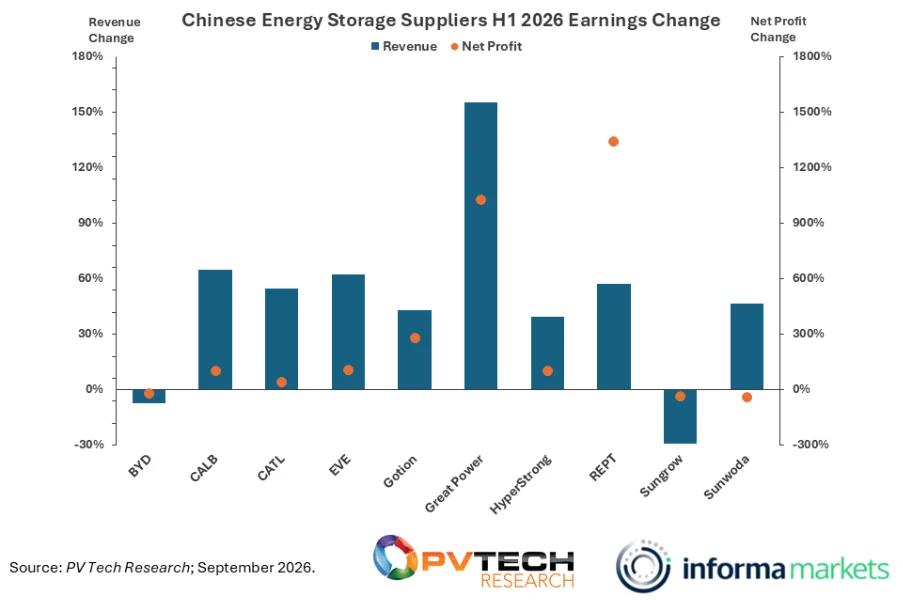
Figure 1: YoY revenue growth has generally accelerated relative to FY 2025 growth among suppliers still seeing a rise in sales.
Chinese energy storage suppliers spearheaded the shift from Nickle Manganese Cobalt (NMC) to Lithium Iron Phosphate (LFP) battery storage cells and still dominate the market; as a group, they have also generally posted stronger financials than stand-alone (not part of a conglomerate) suppliers based elsewhere. This has been particularly apparent with European suppliers that also manufacture cells, such as Northvolt, which filed for bankruptcy in Sweden in 2025, and Swiss company Leclanché, which is currently experiencing critical liquidity issues and heavy losses.
Most of the leading companies, however, are not pure-play BESS players, and other business segments have had a significant impact on overall bottom lines. BYD’s automobile revenue declined 8.98%, and Sungrow’s PV inverter revenue fell 19.17%, which appeared to be a stronger contributor to the worsened financial performance in 2026 to date. However, Sungrow’s ESS business also experienced a 13.18% decline in revenue despite the company shipping higher volumes than the same period last year; this is in part due to a few huge orders in the Middle East that accounted for in H1 2025.
In general, energy storage battery reporting segments have accounted for a higher revenue share for the companies in the graphic, rising to an average of 32% and seeing sales increase by an average of 52%. The companies that reported specific shipment numbers all saw ESS battery deployments rise with growth in the double digits.
Not the same story emerges for all battery suppliers, however; EV batteries were the primary revenue driver for Gotion in H1, while energy storage battery revenue fell 19% as the company focused on gaining market share in the power battery market. There have been diverse strategies across companies, as reflected in the financials, since not all suppliers are at the same stage of maturity in the energy storage market. Companies starting from a lower base, such as HyperStrong and Great Power, experienced high sales growth as they expanded further into the industry and competed to gain market share. REPT Battero, who amongst the suppliers displayed in the graphic started mass production of batteries most recently, turned its first full year profit in 2025, and in the first half of this year saw the highest net profit growth of the group as ESS batteries remained a key revenue driver.
Maintaining the top position as the largest energy storage system supplier does not necessarily guarantee continued financial success; the two companies shown in the graphic that experienced revenue declines were among the top three in global shipments. A marked difference between BYD and Sungrow and the other suppliers is the geographical revenue split, with both companies seeing overseas revenue account for over half of the total in H1 2026. For Sungrow in particular, overseas shipments jumped from a 58.3% share to 73.4%. The impact of foreign exchange losses contributed to Sungrow’s financial expenses rising over 230% in the first half of the year, and the company’s margins were also affected by fluctuating lithium carbonate price, with gross margins for energy storage down 7.9 percentage points. Sunwoda, which reported that over 70% of its energy storage revenue came from overseas customers, also saw a decline in energy storage gross margins.
This stands in contrast to the benefits reaped by historically domestic-shipment-dominated suppliers from an accelerated push overseas this year. One such company is HyperStrong, which experienced strong growth in new markets, further driving sales and increasing profit margins due to the generally higher average selling price abroad.
Caution should still be exercised when expanding, particularly when scaling up manufacturing. With continued investments in production facilities and multiple projects under construction, CALB saw its already negative free cash flow margins widen even further and its debt climb. At the end of June this year, CALB saw total borrowing increasing 18% from the end of 2025. The company had the highest capex-to-revenue percentage among suppliers in the graphic, at 58% in H1 2026.
Overall, despite the global uptick in battery storage deployments, the market is still evolving, and for suppliers, ESS cannot purely be relied on as a saving grace for the overarching business.
New regulations, such as China’s recent implementation of a 2% consumption tax on lithium-ion batteries, and changing international trade policies could lead to further divergence in financial outcomes among different players. The accelerated revenue growth currently being experienced by some suppliers, however, shows a general resilience in the industry. In navigating changing market dynamics, suppliers have been seeking their own path to success, from manufacturing capacity expansions to technological innovations to targeting specific markets.
All data and analysis shown in this article come from our in-house market research. Full details on how to subscribe to our Battery StorageTech Bankability Ratings Report , featuring detailed financial benchmarking, shipment analysis, bankability scoring, and supplier risk assessments across the global ESS market, can be found here.
