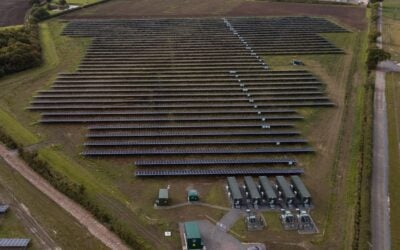
Hybrid renewables are playing a strategic role in accelerating the decarbonisation of power generation and supporting the Paris Agreement and the United Nations Sustainable Development Goals (SDGs), as well as supporting the UK’s net zero by 2050 ambition and its interim emissions reduction of 78% by 2035. Consultant Peter Lo of ITPEnergised discusses the UK’s emergence into the hybrid energy sector and how it is better for our planet, better in the economics and better for offtake.
Eagle Mountain is a large-scale pumped hydro energy storage project under development in California. It’s a win-win project, argues Jeff Harvey, a consultant with over 35 years experience in California and senior environmental scientist for developer NextEra Energy Resources.
A cross-border platform is being created in Europe for the provision of secondary reserve to maintain the grid’s operating frequency, which will be open to energy storage in the coming years. Tanguy Poirot, analyst, and Corentin Baschet, head of market analysis at energy storage specialist consultancy Clean Horizon take a deep dive.
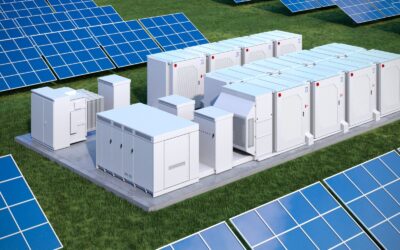
The UK is undoubtedly one of the hottest global markets for battery storage today and a considerable pipeline of projects exists. Analyst Mollie McCorkindale from Solar Media Market Research explains some of the methodologies to filter out the top 10 projects in development.
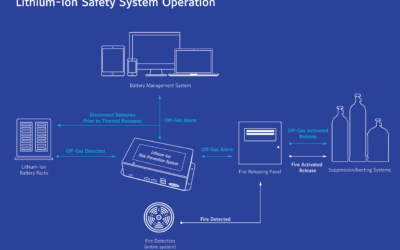
Safely managing the use of lithium-ion batteries in energy storage systems (ESS) should be priority number one for the industry. In this exclusive Guest Blog, Johnson Controls’ industry relations fellow Alan Elder, with over four decades of experience in the field of gaseous fire suppression systems and Derek Sandahl, product manager for the company’s engineered fire suppression products, talk about the best ways to achieve prevention of fire incidents stemming from thermal runaway in lithium cells.
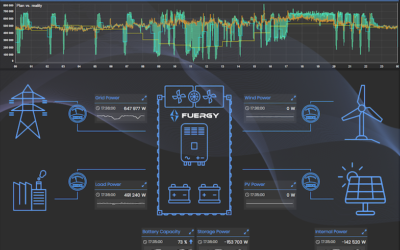
With batteries today finally reaching the size and capacity that enables renewables to replace medium-sized natural gas generators, a future ruled by solar and storage is just around the corner, writes Radoslav Stompf, CEO of FUERGY.
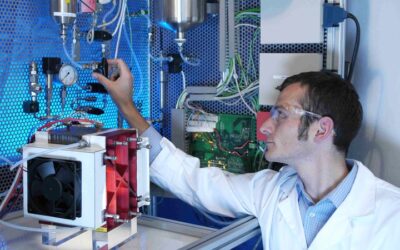
Hydrogen increasingly looks likely to have a role to play in achieving decarbonisation targets worldwide, and investments and innovation are scaling up. But costs remain high and for clean hydrogen to be most effective at integrating high shares of renewable energy, storage is a vital piece of the puzzle, writes Georgina Ainscow, a Senior Patent Attorney at Reddie & Grose, a firm of European and United Kingdom patent, trade mark and design attorneys.
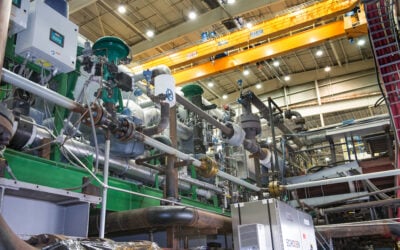
For the US to thrive while achieving its decarbonisation goals, it needs a robust clean energy economy, creating well-paid jobs and a strong trajectory for technical innovation, argues Philip Brennan, CEO of Echogen, an Ohio-based provider of waste-heat recovery systems and electro-thermal energy storage solutions.
While 2020 may have been and gone, the strange times we’re collectively experiencing certainly have not. Looking back at least gives us an opportunity to reflect on the lessons learned during the past year or so and Aaroh Kharaya, product manager at solar PV and battery storage quality assurance, supply chain management and engineering services firm takes us through his top takeaways from a time that we may otherwise seek to forget.
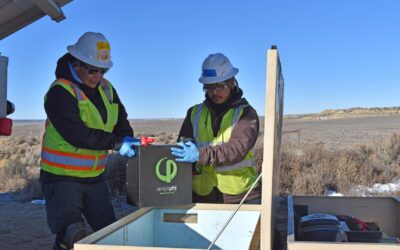
How do electric grids that were state-of-the-art in the 19th Century remain stable and resilient through 21st Century climate disasters and other problems? They don’t, says Catherine Von Burg, CEO and co-founder of distributed battery energy storage company SimpliPhi Power – but giving people the power to be independent can be a solution fit for the future.