Battery storage is of growing interest to commercial and industrial (C&I) entities in the UK, but the wider energy efficiency sector has seen Brexit and other policy woes send confidence to new lows.
Those were the findings from the most recent Energy Efficiency Trends survey, conducted quarterly by energy efficiency consultancy EEVS Insight and Bloomberg New Energy Finance.
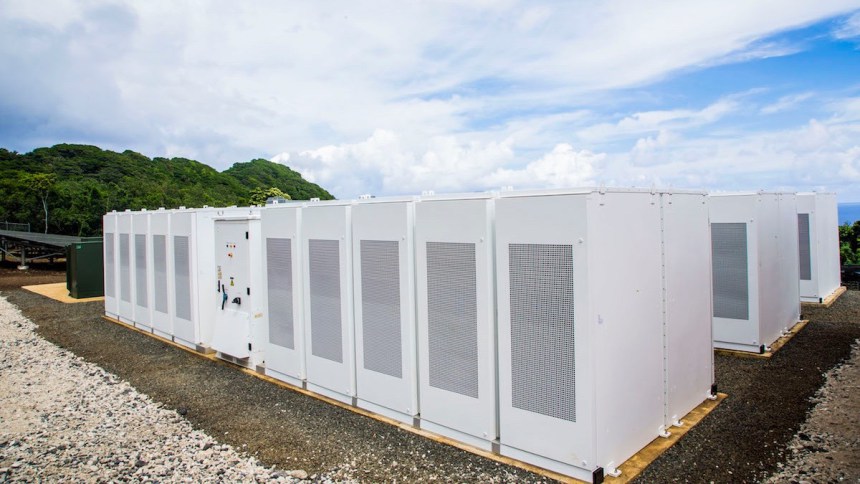
Those results, for Q4 2017, included battery storage technologies for the first time and found that 10% of commercial and industrial enterprises surveyed including them in energy efficiency projects commissioned within the three month period ended 31 December 2017.
Those survey results would appear to substantiate growing confidence within the UK’s renewables and storage industries that the C&I sector has developed an appetite for battery storage. Sentiment expressed at both Solar Media’s Energy Storage Summit in February and last month’s Energy Storage Europe show in Dusseldorf was that the C&I sector was the one to watch in 2018.
Try Premium for just $1
- Full premium access for the first month at only $1
- Converts to an annual rate after 30 days unless cancelled
- Cancel anytime during the trial period
Premium Benefits
- Expert industry analysis and interviews
- Digital access to PV Tech Power journal
- Exclusive event discounts
Or get the full Premium subscription right away
Or continue reading this article for free
The survey also uncovered, however, waning industry confidence following a third consecutive drop. EEVS has said this could be linked to reported falls in consumer purchasing and the continuing uncertainty surrounding the country’s negotiations to leave the European Union.
Suppliers in particular bemoaned policy and subsidy uncertainty with 27% stating that to be their main concern. Only four in ten suppliers surveyed said they had seen their order books grow in the last quarter and recruitment said to be “largely on hold”.
Ian Jefferies, director at EEVS, said findings for the whole of 2017 placed consumer investment at its lowest annual level since the survey began.
“Instinctively, this material step-down in project commissioning appears to carry the hallmarks of a systemic, Brexit-related drop in business confidence. So, with a Brexit deal looking increasingly more likely, it will be interesting to see if 2018 sees a return to confidence and this – hopefully short-term – dip in investment volumes reversed. The supply side of the market will certainty hope so,” he said.