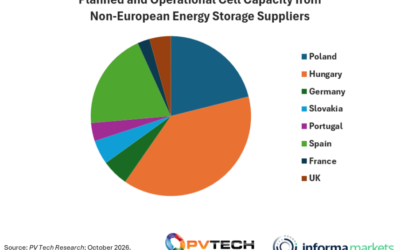
As demand for battery storage soars, the European Union (EU) has tried to grow its local battery supply chain with mixed success so far, writes PV ESS analyst Charlotte Gisbourne.
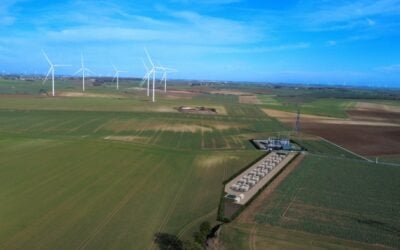
BESS investments in the French market are moving to longer durations with saturation expected to hit the secondary reserve market, currently the main way operational projects make their money.
Developer Ikigai Energy and LDES firm RheEnergise have signed an MOU to develop a pipeline of projects in Italy using the latter’s ‘high-density hydro’ (HD Hydro) technology.
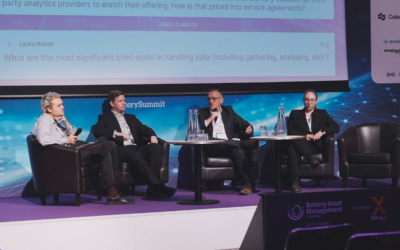
Dan Taylor, director of engineering at optimisation and asset management provider Arenko, speaks to Energy-Storage.news about all things data in battery energy storage systems (BESS).
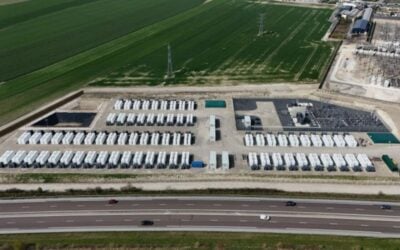
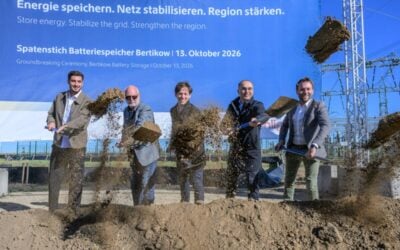
A trio of large-scale 4-hour BESS projects in Germany have progressed towards construction, from Enertrag and Enlight, Vattenfall and Fluence, and Giga Storage.
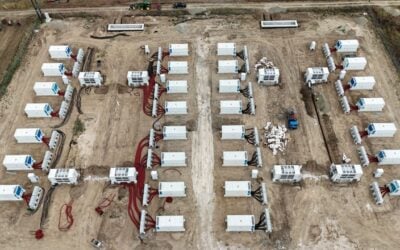
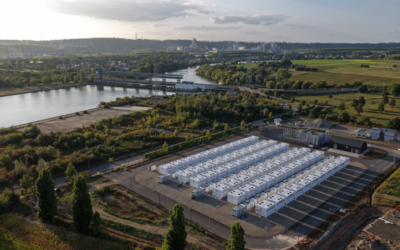
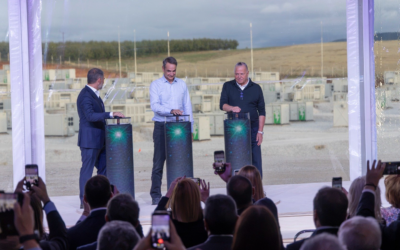
Metals and energy group Metlen and conglomerate Karatzis Group have inaugurated the largest BESS in Greece, in a ceremony attended by the country’s Prime Minister.