Australian energy retailer Origin Energy has outlined how a virtual power plant (VPP) and large-scale battery storage will allow it to replace coal in its power mix.
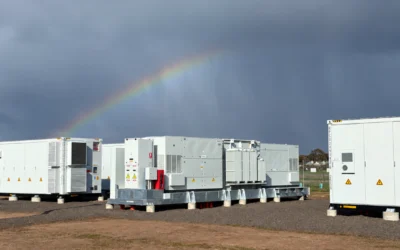
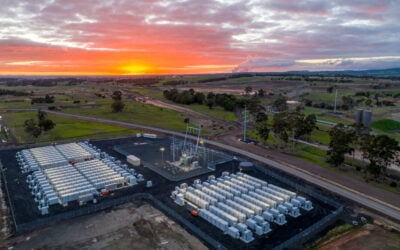
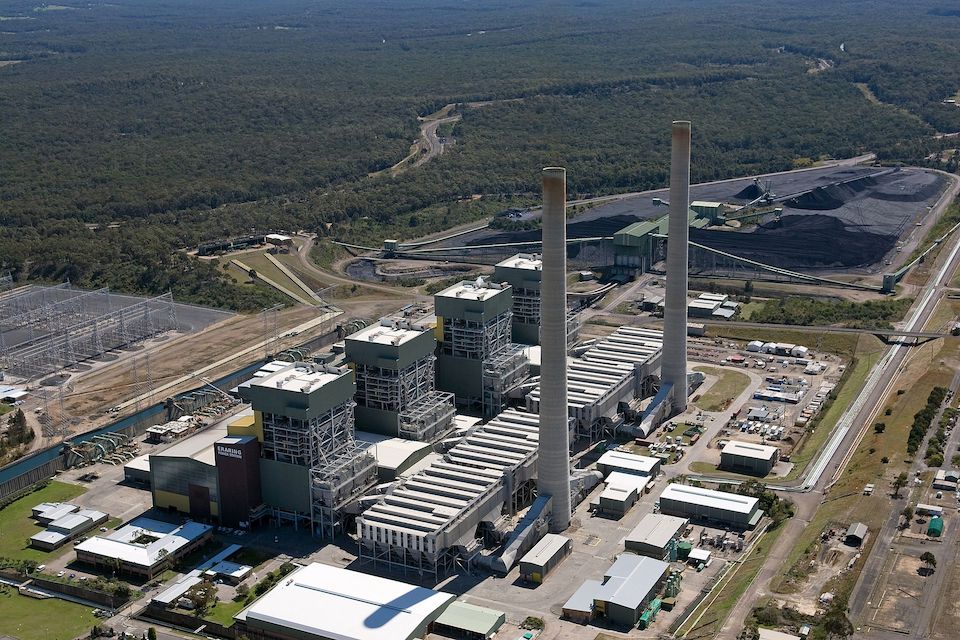
Origin has been planning for the retirement of Eraring, a 2,880MW black coal power plant, proposing to build a 700MW battery energy storage system (BESS) project on the site instead and issuing a call for suitably qualified firms to install the BESS early last year.
Earlier this year, the company said it planned to close Eraring down in 2025, not 2032 as originally intended. Origin cited that coal was no longer economically able to compete with the emergence of renewables and now storage in Australia, particularly in the revised and updated structures of the National Electricity Market (NEM).
In a presentation to investors this morning, Origin Energy executives said the battery storage project will be built in two stages: an initial 460MW stage 1, with a later 240MW expansion in stage 2.
Try Premium for just $1
- Full premium access for the first month at only $1
- Converts to an annual rate after 30 days unless cancelled
- Cancel anytime during the trial period
Premium Benefits
- Expert industry analysis and interviews
- Digital access to PV Tech Power journal
- Exclusive event discounts
Or get the full Premium subscription right away
Or continue reading this article for free
A Final Investment Decision is expected on stage 1 during this year. Although initially Origin had announced that the entire 700MW project would be four-hour duration, the company said today that stage 1 will be two-hour duration (460MW/920MWh).
The battery technology would be used for intra-day energy arbitrage, reducing capacity hedging costs for the company’s retail business and in Frequency Control Ancillary Services (FCAS) and other ancillary services markets.
Coal retirement frees up Opex
Firming capacity would also be provided by Origin’s VPP, which currently has around 200MW of assets under control. The VPP, which aggregates together customers’ distributed energy resources (DER) like batteries, hot water systems and air conditioning units, provides very low-cost capacity which can partially replace Eraring, the company said.
It aims to grow the VPP to around 2GW, using it like a peaking asset to move energy load from high demand periods to low demand periods. While it requires the enrolment of a large customer base, the VPP asset tends to have very low or even no upfront capital costs to establish, as well as being low cost to operate.
Closure of the Eraring coal plant will also allow Origin to grow low cost renewable generation, the company said, whether buying in from the NEM or building or contracting for renewable energy projects.
It is also considering further battery storage projects as well as the possible expansion of its Shoalhaven pumped hydro energy storage (PHES) plant. Further investments in batteries could include building the company’s own projects or contracting for capacity from third party-owned assets.
Origin’s presentation noted that the company holds sites with grid connections across the mainland NEM regions already, due to its existing fleet of generation assets.
However, a large amount of balancing will continue to come from Origin’s 3GW fleet of thermal peaking capacity plants. These remain cheap to own and are expected to be called on more frequently as coal retires.
Former coal plant sites are being considered for redevelopment with solar-plus-storage or standalone energy storage projects in parts of the world where coal is in its most rapid decline, including parts of the Mid-Western US.
In Australia, another integrated energy group EnergyAustralia said in March 2021 that it would build a 350MW/1,400MWh BESS at the site of Yallourn, a coal power station in Victoria scheduled for retirement in 2028.
In the case of both Yallourn and Eraring, cost of running the coal power plants has been cited as another reason for their effective obsolescence in the market, with Yallourn costing EnergyAustralia about AU$200 million (US$147 million) to AU$300 million per year to run and Eraring costing Origin about AU$95 million a year.