New South Wales (NSW) energy minister Penny Sharpe has directed ASL to deliver a firming capacity tender addressing forecast energy shortfalls from 2033-34.
The directive comes as NSW prepares for the expected closure of the Bayswater (2.64GW) and Vales Point (1.32GW) coal-fired power stations, which will create capacity gaps that require replacement with firming infrastructure.
ASL, previously known as AEMO Services, will analyse the timing, magnitude, and features of the capacity needed before initiating the tender.
This new firming tender will operate separately from NSW’s current 500MW firming capacity tender, which launched in October 2025 and targets the 2027-28 summer period.
Try Premium for just $1
- Full premium access for the first month at only $1
- Converts to an annual rate after 30 days unless cancelled
- Cancel anytime during the trial period
Premium Benefits
- Expert industry analysis and interviews
- Digital access to PV Tech Power journal
- Exclusive event discounts
Or get the full Premium subscription right away
Or continue reading this article for free
The existing tender focuses on the Sydney-Newcastle-Wollongong region and remains on track for completion by May 2026, ASL noted.
ASL confirmed that the firming tender follows the release of the 2025 Energy Security Target Monitor report, which indicates NSW maintains sufficient firm capacity until a forecast shortfall emerges in 2027-28.
Following this period, firm capacity is projected to remain adequate until another gap appears in 2033-34 with anticipated coal plant retirements.
ASL will publish its findings in the 2026 Firming Infrastructure Investment Objective report, expected around August 2026. The subsequent tender will open in Q4 2026 or Q1 2027, providing lead time for projects with longer development periods to participate in the competitive process.
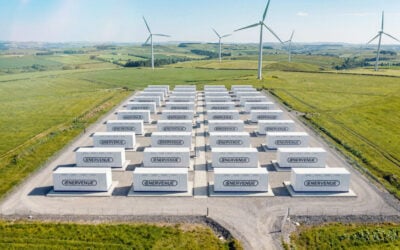
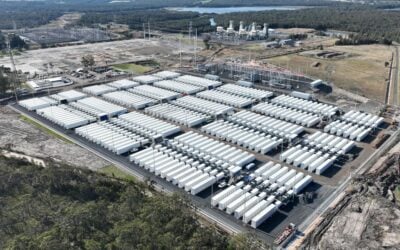
The announcement follows the completion of Australia’s largest-ever long-duration energy storage tender, which awarded contracts for six lithium-ion battery projects totalling 1.17GW/11.98GWh in February 2026. These projects range from 8.7 hours to 11.5 hours in duration.
The successful projects include Neoen Australia’s 330MW/3,500MWh Great Western Battery near Lithgow, Ark Energy’s 250MW/2,414MWh Bowmans Creek facility, and four additional systems from BW ESS Australia, FRV Services Australia, Iberdrola Australia, and Bridge Energy.
Combined with previous tender outcomes, NSW has contracted approximately 30GWh of storage capacity.
Thimo Mueller, general manager, commercial, at ASL, recently told ESN Premium that the tender process demonstrated strong market response, with lithium-ion technology cost declines providing competitive pricing for extended-duration applications.
The upcoming firming tender will seek proposals for various technologies, including batteries, gas generation, pumped hydro, and virtual power plants capable of rapid reductions in electricity supply or demand.
NSW’s Electricity Infrastructure Roadmap has conducted six previous tenders for Long-Term Energy Service Agreements (LTESA) and renewable energy zone access rights. The framework provides financial certainty through minimum cash flow guarantees over extended contract terms, reducing investment risks for developers and encouraging market participation.
Minister Sharpe stated the government’s commitment to delivering secure, reliable, and affordable electricity through renewable energy generation, storage, and gas as ageing coal-fired plants retire. The proactive approach to capacity planning aims to maintain grid stability during the energy transition period.
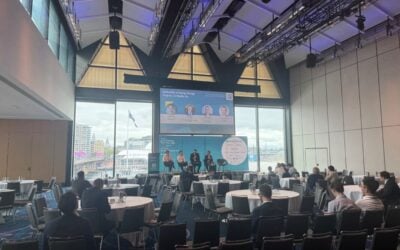
The Energy Storage Summit Australia 2026 will be returning to Sydney on 18-19 March. It features keynote speeches and panel discussions on topics such as the Capacity Investment Scheme, long-duration energy storage, and BESS revenue streams. ESN Premium subscribers receive an exclusive discount on ticket prices.
To secure your tickets and learn more about the event, please visit the official website.