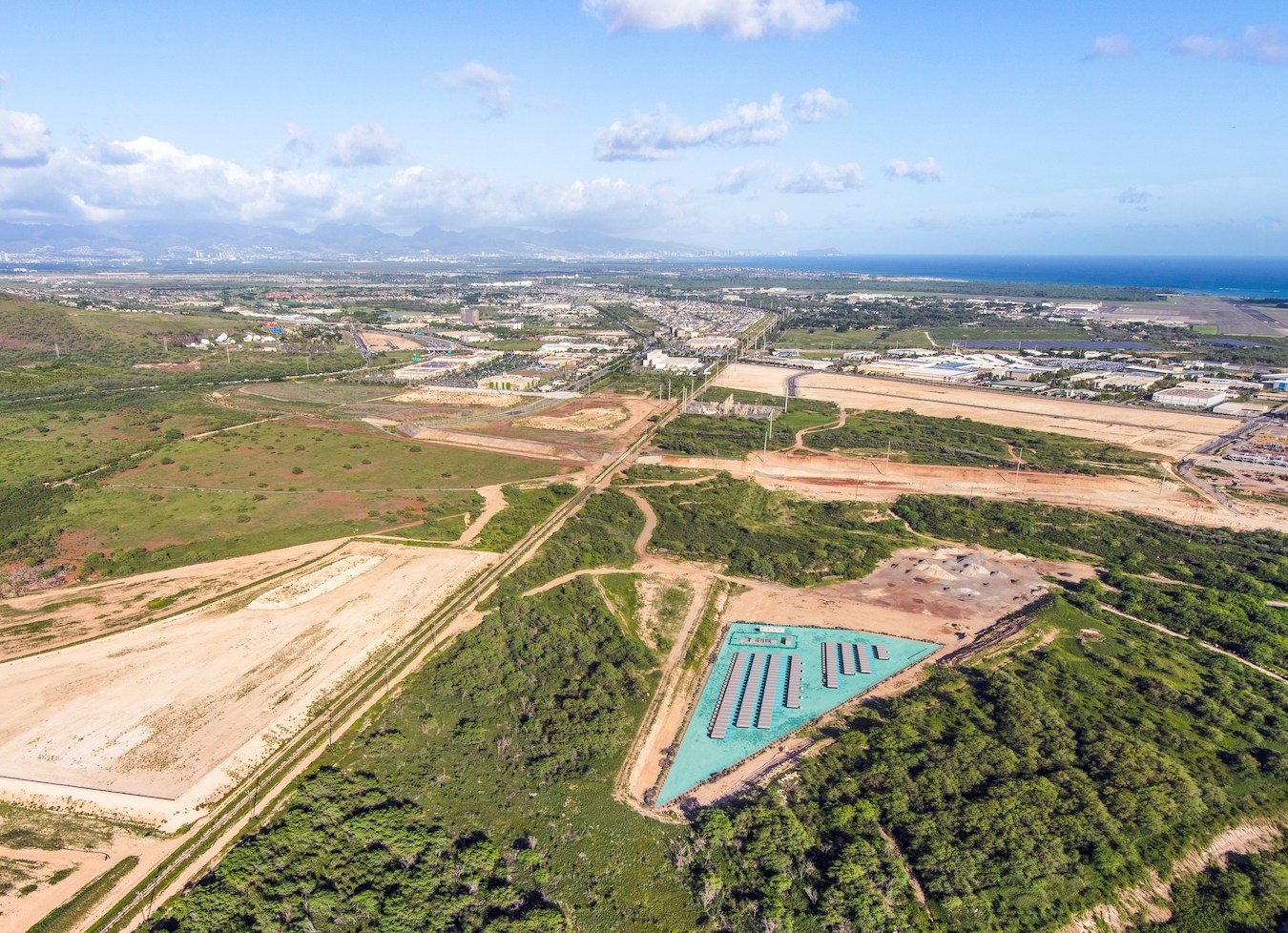
Approval has been granted — with significant conditions attached — for a large-scale standalone battery storage project designed to help the Hawaiian island of Oahu overcome energy reliability and supply concerns as a coal power plant retires.
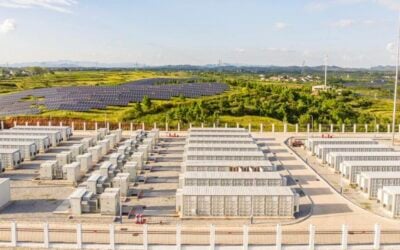
Regulator Hawaiian Public Utilities Commission (PUC), approved a power purchase agreement (PPA) signed in September 2020 by the state’s main utility, Hawaiian Electric, for energy dispatched from Kapolei Energy Storage I, a 185MW / 565MWh battery facility under development by Plus Power.
The developer’s project was one of 16 solar-plus-storage and standalone storage projects proposals awarded contracts by Hawaiian Electric in a competitive solicitation process that went on considerably longer than anticipated due to the COVID-19 pandemic. The utility contracted for a total of 460MW of solar and 3GWh of energy storage across the state’s main islands.
On Oahu, one of the main intentions behind the procurements was to speed the exit of Hawaii’s last remaining coal-fired power plant, the 180MW AES Hawaii Plant, scheduled for retirement by September 2022.
Try Premium for just $1
- Full premium access for the first month at only $1
- Converts to an annual rate after 30 days unless cancelled
- Cancel anytime during the trial period
Premium Benefits
- Expert industry analysis and interviews
- Digital access to PV Tech Power journal
- Exclusive event discounts
Or get the full Premium subscription right away
Or continue reading this article for free
However, although the project was intended to assist Hawaii’s transition from coal generation and the state’s wider fossil fuel reduction and renewables adoptions goals, the PUC said it was not convinced by assurances from the utility that the new battery plant will not be charged with fossil fuels in the form of oil which is currently the main non-renewable source of electricity in Hawaii.
The plant is intended to charge during times of off-peak generation and discharge to help the utility meet its peak demand, as well as provide grid stability services. While the system could take over the coal plant’s role in supplying the latter, there would not likely be enough renewable energy on the local grid to allow solar and wind power to do the charging. Hawaiian Electric was only able to guarantee that the plant would have a very minor impact on achieving renewable portfolio standards (RPS), the PUC said.
The battery project is scheduled to go online at an Oahu substation by June 2022, whereas four large-scale solar-plus-storage projects on the island have estimated commissioning dates between September of next year and August 2023.
The PUC therefore applied a number of conditions to its approval. These included removing certain performance-based incentives payable to the utility worth about US$6.5 million and making Hawaiian Electric take steps to encourage the deployment of more community-based renewable energy (CBRE) capacity on the island, while also telling Hawaiian Electric to remove a requirement for CBRE facilities to deploy energy storage in combination with renewables, since the CBRE’s could be used to charge the 585MWh battery system instead. Rooftop solar could also be sending power to the battery, and PUC encouraged this also.
After the PUC gave that conditional approval on 29 April, local news outlet Honolulu Civil Beat reported this week that Hawaiian Electric was considering that it might “pull the plug” on the project. The utility sent Honolulu Civil Beat a brief statement saying not only that it might abandon the Kapolei project but also that it disagreed with some of the PUC’s characterisations. The news outlet also quoted PUC chair Jay Griffin, who said in March that going from coal to oil was “like going from cigarettes to crack”.