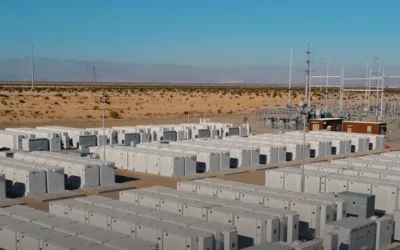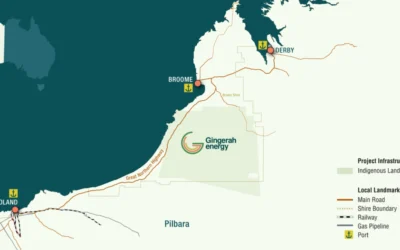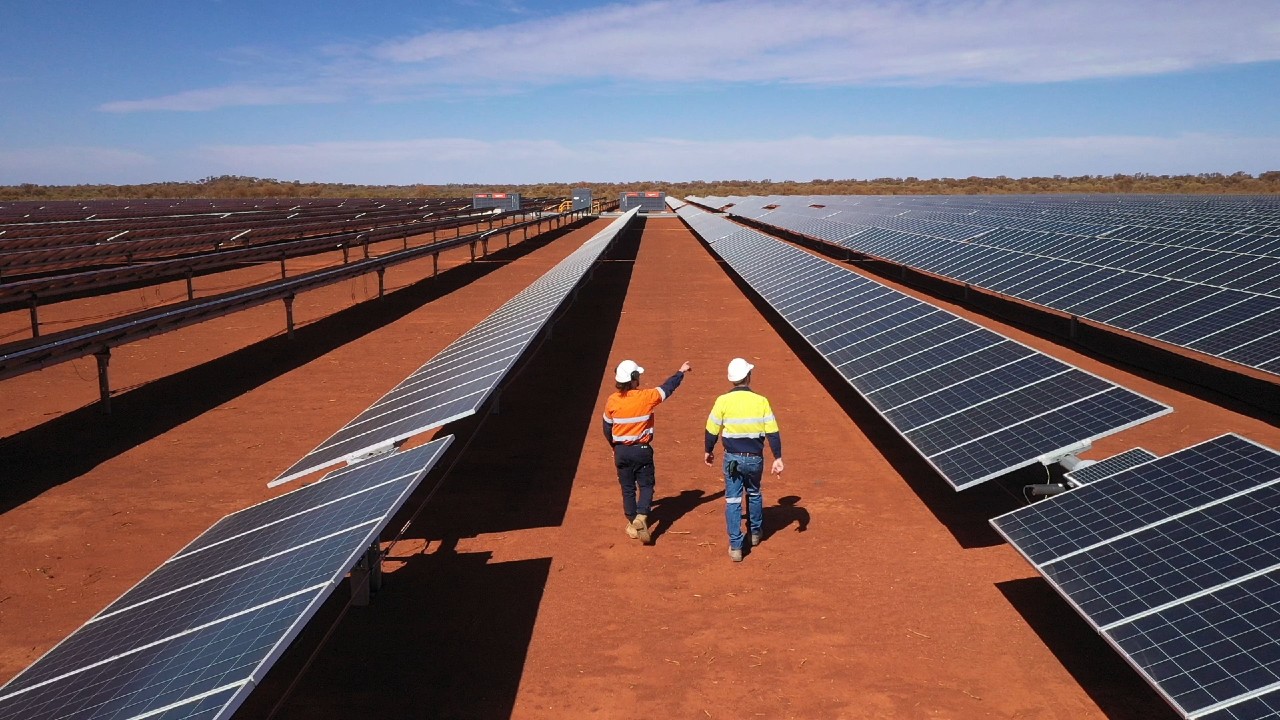
Mobile energy solutions provider Aggreko has completed one of the largest renewable energy microgrids in the world, at the Granny Smith gold mine in Western Australia.
More than 20,000 solar panels have been installed at the site, together with a 2MW/1MWh battery system. These have been integrated into the existing gas fired power station, allowing the hybrid system to produce around 18GWh of energy annually.
The solar and storage system will help reduce the frequency of which an existing 27MW natural gas generator will need to be used, reducing the mine’s fuel consumption by 10-12% and reduce emissions.
While the solar PV provides clean electricity, Aggreko said the battery plant will provide essential services such as PV ramp rate control and transient voltage/frequency support.
Try Premium for just $1
- Full premium access for the first month at only $1
- Converts to an annual rate after 30 days unless cancelled
- Cancel anytime during the trial period
Premium Benefits
- Expert industry analysis and interviews
- Digital access to PV Tech Power journal
- Exclusive event discounts
Or get the full Premium subscription right away
Or continue reading this article for free
The company’s AusPac managing director, George Whyte, said that demand for decentralised energy solutions had “skyrocketed” over the past few years, as companies look beyond the grid to meet their needs.
“The hybrid assets we’ve delivered for the Granny Smith mine will help Gold Fields reduce operating costs and carbon emissions with the flexibility and capital expenditure savings that comes with rental solutions.”
Aggreko’s software platform will manage the assets, avoiding issues by rapidly deploying automated responses and predicting future problems.
The development of the Granny Smith mine follows the installation of a similar microgrid system at Gold Fields’ Agnew Gold Mine, where a lithium-ion battery energy storage system from French manufacturer and system integrator Saft was completed in September. The site includes wind, solar and storage as well as a gas/diesel backup generator, and has a combined capacity of 56MW including 13MW of battery storage.
Gold Fields executive vice president Australasia, Stuart Mathews, said: “Here in Australia and globally our company is committed to addressing climate change impacts by transitioning towards an energy mix that increasingly embraces renewables and lower carbon fuel sources.”
“The Granny Smith microgrid and the renewable energy solution at our Agnew mine are a clear demonstration of the innovative steps we are taking to ensure the ongoing sustainability of our operations.”