Toshiba is trialling a PV hybrid storage system in Japan for use in emergency situations.
The company will work with Kawasaki City to establish the pilot in the Kawasaki Port area, a designated evacuation area in the event of a disaster. Toshiba claims its system would be capable of supplying electricity and hot water to 300 evacuees for a week.
The system also includes water electrolysis equipment. Hydrogen produced in the process will be transferred to a hydrogen fuel cell.
The containerised system could also be moved to disaster hit regions as needs dictate.
Try Premium for just $1
- Full premium access for the first month at only $1
- Converts to an annual rate after 30 days unless cancelled
- Cancel anytime during the trial period
Premium Benefits
- Expert industry analysis and interviews
- Digital access to PV Tech Power journal
- Exclusive event discounts
Or get the full Premium subscription right away
Or continue reading this article for free
It will also contain a Toshiba SCiB lithium battery for electrical storage.
The system will be operational from April 2015 and the trial will run into 2020.
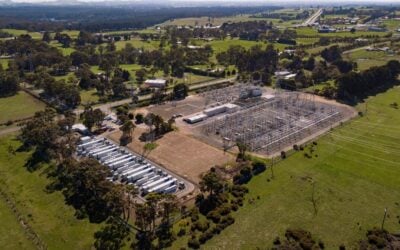
Toshiba’s hybrid energy unit will provide electricity and hot water for 300 people in the event of a disaster. IMage credit: Toshiba