AGL has commissioned the first phase of what it claims is the world’s largest virtual power plant (VPP).
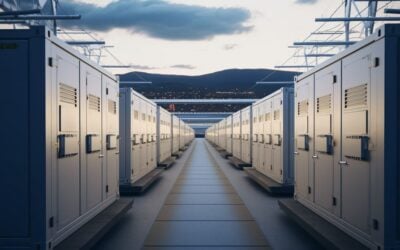
The project, in Adelaide, South Australia will be ramped up in three stage with 1000 Sunverge batteries installed across the city. The total storage capacity will reach 5MW/7MWh.
The AU$20 million (US$15.4 million) trial is one of a number of measures being undertaken to improve the security of the electricity network in South Australia. The state has been hit by price shocks and blackouts with extreme weather, reliance on one interconnection and even the large volume of renewables blamed for the problems.
“The VPP will deliver benefits for multiple groups, including: customers by reducing their energy bills; the network by lowering required capital investment to upgrade infrastructure; for AGL by providing another source of generation to deploy into the network with the balance used in our portfolio; and, the environment through reduced emissions,” said Andy Vesey, managing director and CEO, AGL.
Try Premium for just $1
- Full premium access for the first month at only $1
- Converts to an annual rate after 30 days unless cancelled
- Cancel anytime during the trial period
Premium Benefits
- Expert industry analysis and interviews
- Digital access to PV Tech Power journal
- Exclusive event discounts
Or get the full Premium subscription right away
Or continue reading this article for free
According to the utility, customers taking part in the trial will save AU$500 a year.
Sunverge is also participating in an ARENA-backed VPP trial in Queensland.