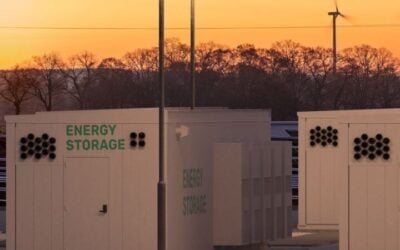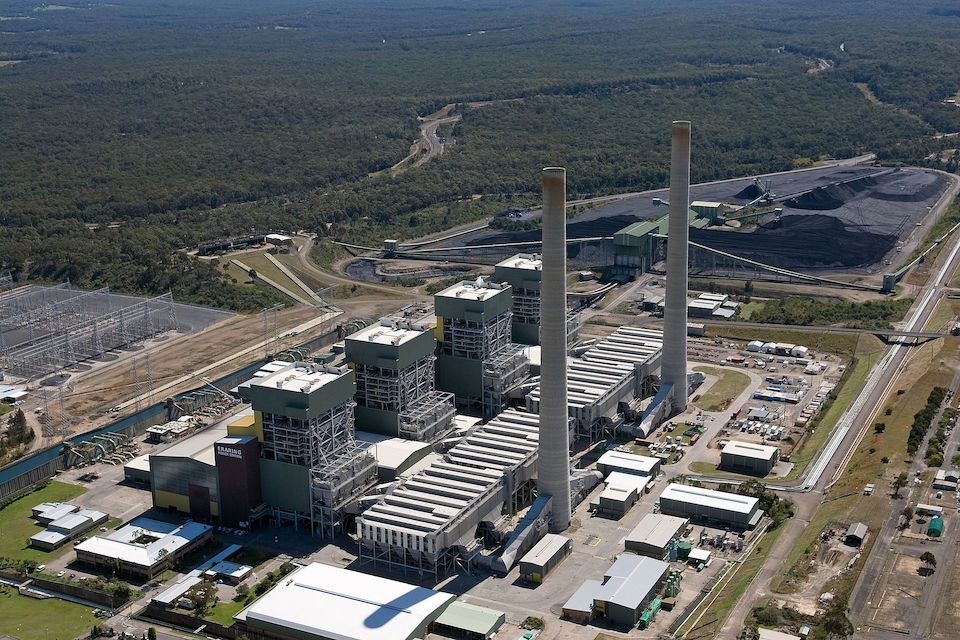
Finnish marine and energy technology group Wärtsilä has been contracted by Australian utility Origin Energy to deliver the third stage of the Eraring battery energy storage system (BESS) in New South Wales.
The third stage of the Eraring BESS will help supplement the output of the black-fired power station on which the site is located, standing at 2.8GW, by adding an additional 700MWh. This will turn the first-stage system from a 2-hour duration to a 4-hour duration.
Once complete in 2027, the Eraring BESS will become Australia’s largest operational battery, with a capacity of 700MW/2,800MWh.
Wärtsilä is also responsible for delivering the first and second stages of the Eraring BESS project, and thus, a long-term partnership between the two companies continues.
Try Premium for just $1
- Full premium access for the first month at only $1
- Converts to an annual rate after 30 days unless cancelled
- Cancel anytime during the trial period
Premium Benefits
- Expert industry analysis and interviews
- Digital access to PV Tech Power journal
- Exclusive event discounts
Or get the full Premium subscription right away
Or continue reading this article for free
In an Energy-Storage.news Premium interview published earlier this week, Andy Tang, vice-president of Wärtsilä Energy Storage & Optimisation, said the Eraring BESS will help showcase to the world the feasibility of deploying multi-gigawatt-scale energy storage systems.
“You have some desert projects in the US that occasionally hit the 1GWh range. But with Australia, between this project and some of the other announced projects that are going on, 1GWh almost seems like the average size,” Tang told Energy-Storage.news.
“The Eraring project, at over 2GWh is massive globally. It’s about proving that these things can be done at scale. I think that’s important.”
A key element of the system is Wärtsilä’s GEMS Digital Energy Platform, which monitors and controls energy flow, allowing facilities like Eraring to support the grid during unstable periods.
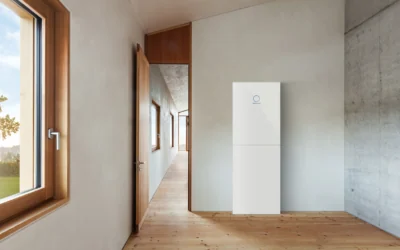
GEMS will provide firming capacity to help balance Origin’s generation portfolio in support of its retail customer load. Stage three will be constructed using Wärtsilä’s fully integrated, modular, and compact Quantum energy storage system, which offers low lifecycle costs, quick deployment times, and high-quality control.
Stages one and three will operate in grid-following mode, but they have the potential to switch to grid-forming mode in the future. This switch would allow them to provide various ancillary services, including system strength and system restart capabilities. Stage two, on the other hand, will operate in grid-forming mode at the time of its commercial launch.
Stages one and three are expected to be completed by the end of 2025, and stage two is anticipated to be completed by the beginning of 2027.
Much like Tang, Greg Jarvis, head of energy supply and operations at Origin highlighted the scale of the Eraring BESS.
“The scale of this project is impressive, delivering the largest total dispatch duration of an operating battery or project under construction in the Southern Hemisphere. At 2,800MWh, when cycled once a day, the Eraring battery will dispatch enough energy to power more than 150,000 New South Wales households annually, helping to firm variable supply from wind and solar,” Jarvis said.