Trina BESS, the battery energy storage company originally launched alongside Chinese PV giant Trina Solar but now run as an entity in its own right, sold 1,000 residential units in the first half of this year.
Previously operating under the name Trina Best and rebranded within the past year as Trina BESS (Battery Energy Storage Systems), the energy storage company became a separate entity to Trina Solar at the end of 2015.
A Trina BESS representative emailed Energy-Storage.News today to reveal that TrinaHome, the company’s suite of battery energy storage solutions for households available in markets that include Europe, Australia and Japan, has been shipped to 1,000 customers in the first six months of 2017.
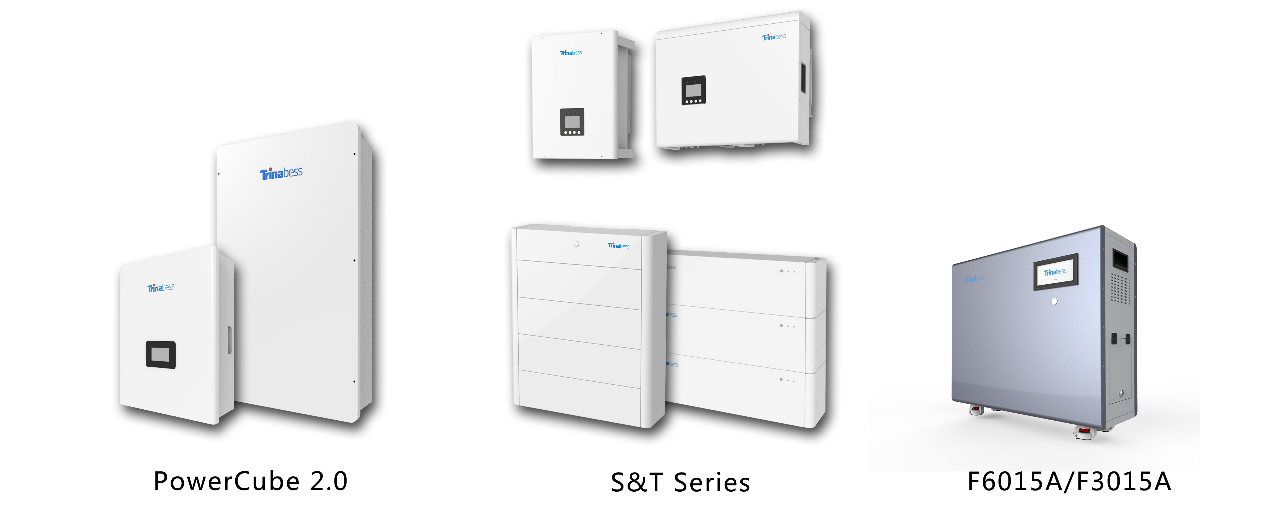
In Europe, the units are available in the single-phase S-Series and three-phase T-Series with capacities ranging from 3kWh up to 18kWh. In Australia, Trina has targeted the home market with Powercube 2.0, a device that is available in a ‘mini’ size (4.8kWh) or in 7.2kWh or 0.6kWh configurations. Meanwhile in Japan, two units, F6015A and F3015A, are on sale.
Try Premium for just $1
- Full premium access for the first month at only $1
- Converts to an annual rate after 30 days unless cancelled
- Cancel anytime during the trial period
Premium Benefits
- Expert industry analysis and interviews
- Digital access to PV Tech Power journal
- Exclusive event discounts
Or get the full Premium subscription right away
Or continue reading this article for free
To put the sales figures in some context, the world’s leading residential energy storage market, Germany, has installed somewhere between around 50,000 and 60,000 small-scale energy storage systems to date, the vast majority for increasing self-consumption of PV-generated power. That market’s leading provider, Sonnen, claimed to have sold 2,600 units just in the first quarter of 2016, while Chinese inverter maker Growatt said it had sold around 3,000 units in the UK alone a couple of months ago.
Trina BESS general manager Frank Qi, who last year told Energy-Storage.News that Trina BESS could target an IPO by 2020, nonetheless hailed the sales figure as an achievement, expressing pride in his team and said the systems had received “positive market feedback”.
“We expect to gain 5% market shares in residential BESS market in this year globally,” Qi said.
“We have taken a long time to conduct in-depth analysis of the market and develop these residential BESSs to meet the various market needs. With a focus on continuous dedication to R & D in battery technologies and integrated energy storage system engineering, we will continue to work with our customers and partners to change the way the world produces and consumes energy.”