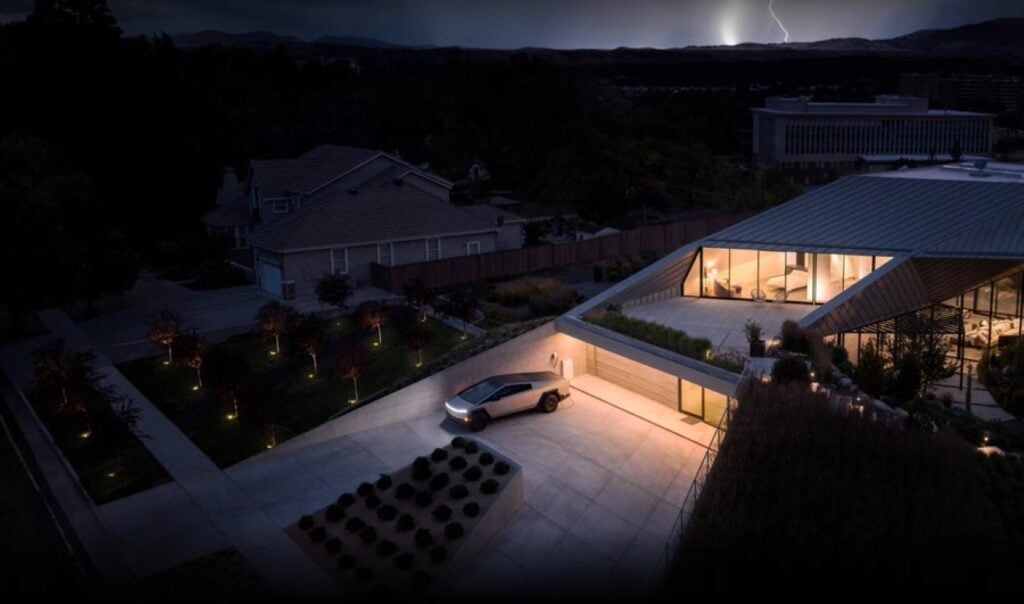
Tesla is set to officially launch its first vehicle-to-grid (V2G) programme in the US soon.
The Powershare Grid Support Program, announced by Tesla Energy, will enable Cybertruck owners in select Texas markets to earn money by sending power back to the electrical grid during high-demand events.
The programme represents Tesla’s first implementation of true V2G capability, transforming the Cybertruck from just a transportation vehicle into a distributed energy asset.
Starting in areas served by CenterPoint Energy and Oncor, the initiative allows participating owners to support grid stability while receiving credits on their energy bills.
Try Premium for just $1
- Full premium access for the first month at only $1
- Converts to an annual rate after 30 days unless cancelled
- Cancel anytime during the trial period
Premium Benefits
- Expert industry analysis and interviews
- Digital access to PV Tech Power journal
- Exclusive event discounts
Or get the full Premium subscription right away
Or continue reading this article for free
To participate in the Powershare Grid Support Program, Cybertruck owners must meet specific eligibility criteria. Participants need Powershare equipment installed, enrollment in the Tesla Electric Drive plan, and must opt in through the Tesla app.
The programme leverages the Cybertruck’s substantial 123kWh battery capacity, equivalent to approximately nine standard Tesla Powerwall units. The system operates through Tesla’s existing Virtual Power Plant (VPP) infrastructure, which has previously relied on stationary Powerwall installations.
The Cybertruck’s larger battery will provide enhanced grid support capabilities compared to typical residential energy storage systems. Unlike traditional peaker plants that require ramp-up time, the V2G system can respond to grid stress with millisecond-level precision.
Tesla emphasised that events will occur infrequently and sometimes at short notice, requiring owners to keep their vehicles ready. Because of this, the company recommends plugging in vehicles whenever at home, even when charging is not needed, and limiting Powershare settings to maximise available energy for grid discharge events.
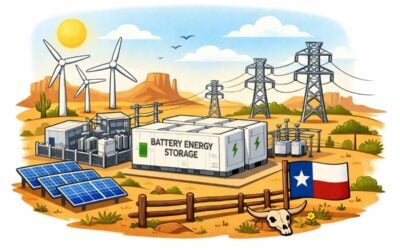
The programme’s upcoming launch in Texas reflects the state’s unique energy market characteristics. The Texas grid, mostly operated by ERCOT, is isolated from other regional grids and historically experiences significant volatility.
This environment provides an ideal testing ground for V2G technology, similar to how Tesla previously validated its VPP capabilities through gradual rollouts.
The selection of CenterPoint Energy and Oncor service territories targets areas with established grid infrastructure and regulatory frameworks supporting bidirectional energy flows. These utilities serve major metropolitan areas, including Houston and Dallas, providing substantial market reach for the initial deployment.
California represents the next phase of Tesla’s V2G expansion, with the programme expected to launch in areas served by Pacific Gas & Electric (PG&E), Southern California Edison (SCE), and San Diego Gas & Electric (SDG&E).
To read the full article, please visit EV Infrastructure News.