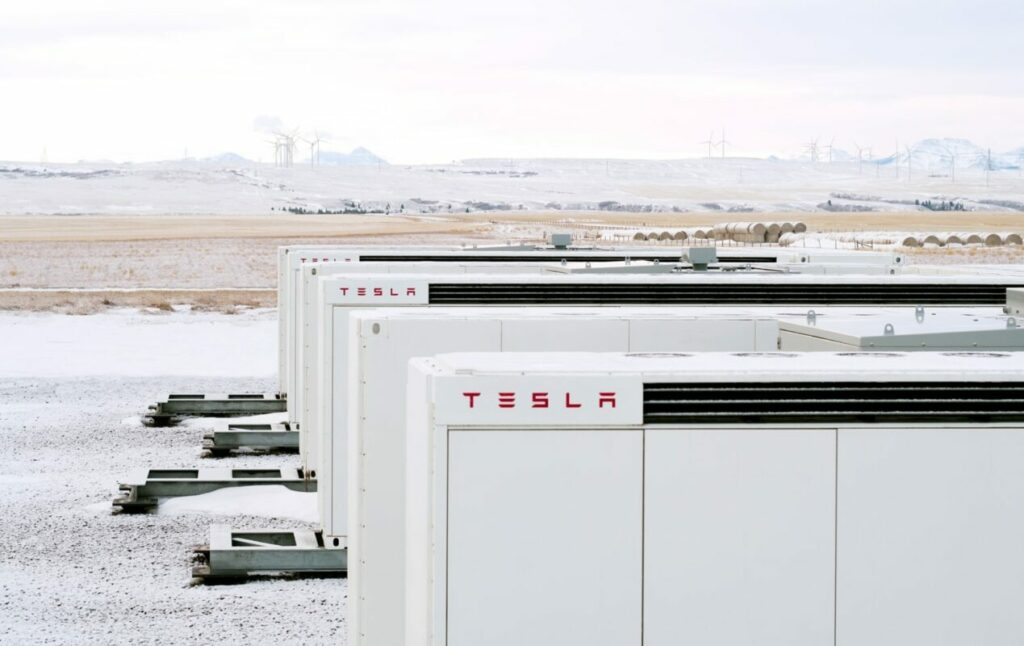
EV and energy storage giant Tesla saw a slight quarter-on-quarter dip in energy storage deployments in Q2 to 3.7GWh, although annual growth was strong at 222%.
Energy storage deployments increased by 222% year-on-year in Q2 to 3.7 GWh, which it attributed to the ongoing ramp up of its first factory dedicated to its utility-scale battery energy storage system (BESS), the Megapack, in Lathrop, California, which will have a full annual production capacity of 40GWh.
However, the figure was a 6% fall on the 3.9GWh of deployments the company achieved in the first three month of the year, which represented 360% growth year-on-year.
The explanation for the quarter-on-quarter dip isn’t a seasonal one, since deployments grew from Q1 to Q2 in 2020, 2021 and 2022. In an earnings call, CFO Zachary Kirkhorn indicated that the fall may be due to specific large projects being outliers to the broader trend.
Try Premium for just $1
- Full premium access for the first month at only $1
- Converts to an annual rate after 30 days unless cancelled
- Cancel anytime during the trial period
Premium Benefits
- Expert industry analysis and interviews
- Digital access to PV Tech Power journal
- Exclusive event discounts
Or get the full Premium subscription right away
Or continue reading this article for free
“As a reminder, storage volumes are typically volatile sequentially based on the types of projects and their specific revenue recognition milestones,” he said.
The company said: “Megapack continues to show strong demand globally, with Lathrop ramping successfully to meet our contracted projects in 2023. As stated last quarter, Megapack margins are in a reasonable place in line with our target market — vehicle target margins. The second final assembly line at Lathrop is progressing on schedule, eventually doubling Lathrop capacity ahead of our full factory ramp in 2024.”
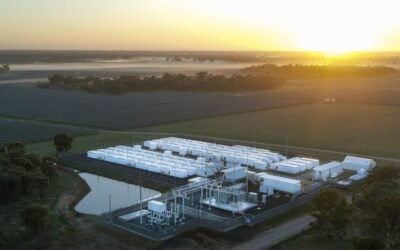
The company is nearing completion on several large projects including the 565MWh Kapolei project in Hawaii while the 300MWh Riverina project in Australia came online during the quarter.
Overall margins at the company fell but not as much as analysts had been expecting, as the company reduced its EV prices to maintain its market share. Earnings were US$0.91 per share compared with estimates of $0.79, while revenue was US$24.97 billion compared to analyst predictions of US$24.7 billion.