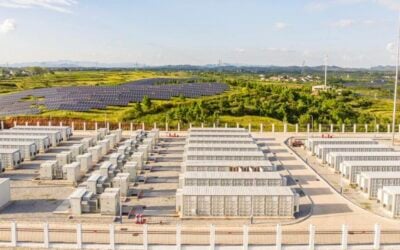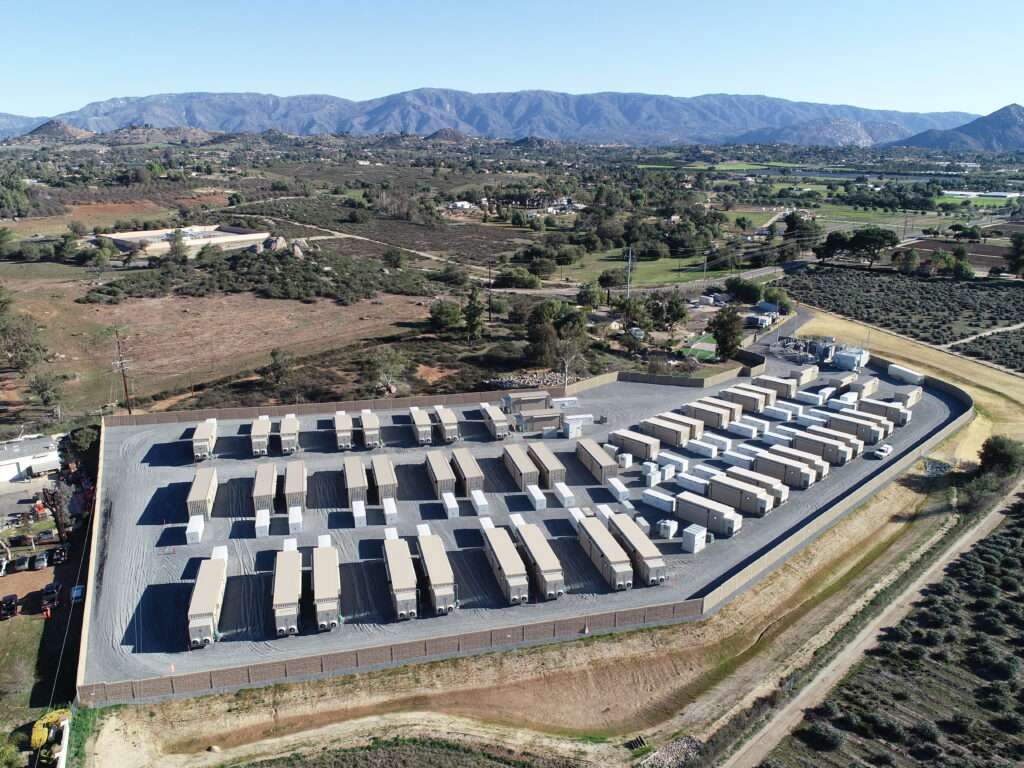
The malfunctioning of a sprinkler system forced the decommissioning of the LG batteries which were eventually stolen from Terra-Gen’s Valley Center BESS in California, the company told Energy-Storage.news.
As we reported last week, the battery packs were taken from the site after having been decommissioned and placed on pallets awaiting transportation. While this resolved the question around how they were taken in the first place, it raised the arguably as-important issue of why they were taken offline just a year or less after the system was deployed.
In response to a request for comment about this, a spokesperson for Terra-Gen told Energy-Storage.news:
“In response to your inquiry about why the battery packs were decommissioned just one year after the system was energized, in April of 2022, a sensor system fault triggered the water-based protection systems resulting in the batteries in question to be taken out of service.”
Try Premium for just $1
- Full premium access for the first month at only $1
- Converts to an annual rate after 30 days unless cancelled
- Cancel anytime during the trial period
Premium Benefits
- Expert industry analysis and interviews
- Digital access to PV Tech Power journal
- Exclusive event discounts
Or get the full Premium subscription right away
Or continue reading this article for free
Sprinklers going off when they shouldn’t have were behind arguably the most high-profile battery overheating incident to-date – the incident which took offline the Moss Landing battery energy storage system (BESS) in California.
A report found it was most likely due to a programming error that the Very Early Smoke Detection Apparatus (VESDA) triggered the spray of water at a threshold of smoke detection below what should have been required, project owner Vistra Energy said.
An insurance source recently pointed to this happening on other occasions too, telling Energy-Storage.news that sprinklers can sometimes cause more harm than they prevent.
Terra-Gen’s clarification coincides with a guest blog published this week about fire safety and energy storage from executives at Energy Safety Response Group (ESRG) and Finland-based power solutions firm Wärtsilä. In it, they wrote about the need for a systems-level approach to fire safety rather than a narrow focus on battery cells themselves.
Energy-Storage.news’ publisher Solar Media will host the 5th Energy Storage Summit USA, 28-29 March 2023 in Austin, Texas. Reporter Cameron Murray will be attending both days.
Featuring a packed programme of panels, presentations and fireside chats from industry leaders focusing on accelerating the market for energy storage across the country. For more information, go to the website.