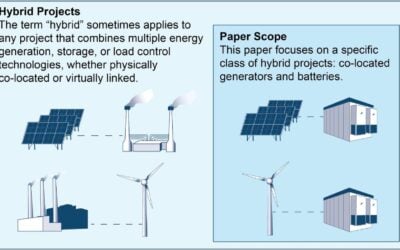
With a quarter of all solar project proposals in the US including batteries, transmission grid operators across the country are taking a variety of steps to evaluate the role that can be played in wholesale electricity markets by hybrid power plants – defined as generation coupled with energy storage.
Massachusetts has issued an emergency regulation to its Solar Massachusetts Renewable Target (SMART) programme, that includes mandating the addition of energy storage on projects over 500kW.
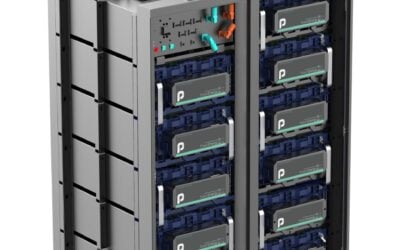
Powin Energy has launched a set of three battery storage system products using CATL’s large form factor lithium-ion cells, including a system solution capable of 4+ hour duration and backed by a 20-year warranty.
Virginia Governor Ralph Northam two days ago signed the Virginia Clean Economy Act (VCEA), finally putting into law a 3.1GW energy storage target and a goal to achieve 100% renewable and clean energy by 2050 for the US Commonwealth State.
The COVID-19 crisis is bringing into the public eye the US’ dependency on importing goods, particularly batteries for advanced energy storage and electric vehicles, the CEO of a battery materials startup has said.
The US Federal Energy Regulatory Commission (FERC), is planning to host a technical conference on ‘hybrid resources’ – energy storage paired with generation – in July this year.
An optimal power system portfolio for the US state of California that would drive the world’s fifth largest economy towards greenhouse gas reduction goals for 2030 and then to zero carbon by 2040, includes 1GW of long duration energy storage.
US-headquartered energy storage manufacturing startup KORE Power has said that its supply partner in China has resumed operations “and is presently working to meet KORE Power’s customer orders”.
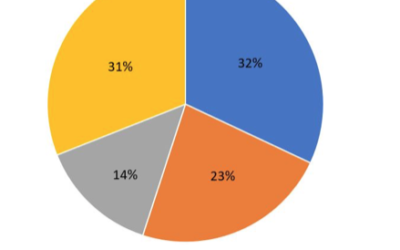
The energy storage industry in the US is experiencing delays and could be staring in the face of potential job losses, according to a poll conducted by the national Energy Storage Association (ESA).