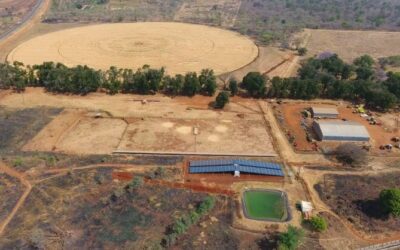
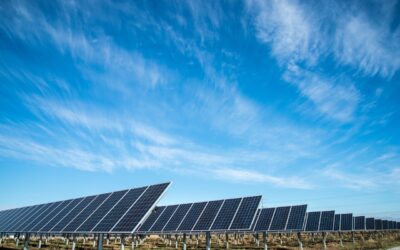
Updated: Germany-headquartered renewables developer Baywa r.e. will deploy a solar-plus-storage solution for a goldmine in Mali that will include 13.5MWh of battery storage and reduce the mine’s dependence on heavy fuel oil during the daytime.
Distributed renewables and energy storage are now the cheapest form of baseload power and if Western Australia’s remote areas can benefit from that, we can all benefit, argues David Martin, founder of energy trading platform provider Power Ledger.
British battery storage system manufacturer Powervault is backing a recent agreement with energy tech platform Kaluza to help expand its reach in its home market.
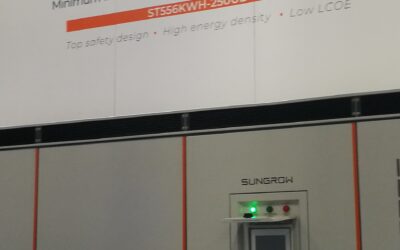
Inverter manufacturer Sungrow, which is rapidly becoming also known for its energy storage systems (ESS), will be supplier for Stem Inc.’s forthcoming large-scale solar-plus-storage projects in Massachusetts.
New technologies and designs aimed at driving down the cost of energy storage facilities are currently the focus of intense industry R&D. Sara Verbruggen reports on DC coupling, an emerging system architecture that many believe will soon become the industry standard.
Reports of Eos’ aqueous zinc battery being paired with small modular nuclear reactors (SMNRs) in a joint venture (JV) with Holtec appear to have been greatly exaggerated, according to an Eos representative.
The recent flurry of energy storage project announcements from Massachusetts have been driven in part by a “common sense” approach to tackling the dirtiest impacts of fossil fuel generation, Energy-Storage.news has heard from industry figures.
Energy-Storage.news editor Andy Colthorpe shares his top takeaways from last week’s Solar Power International convention, incorporating Energy Storage International and hosted this year at the North American Smart Energy Week in Utah.
Energy Storage Special Report 2019, from the editorial teams behind Energy-Storage.news and PV Tech, brings you no less than seven feature articles and technical papers looking at everything from the policy and regulatory initiatives that still need to happen, to bankability and profitability of ESS, system technologies and architecture, all the way to recycling and end-of-life care for batteries.