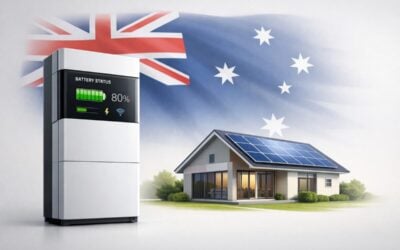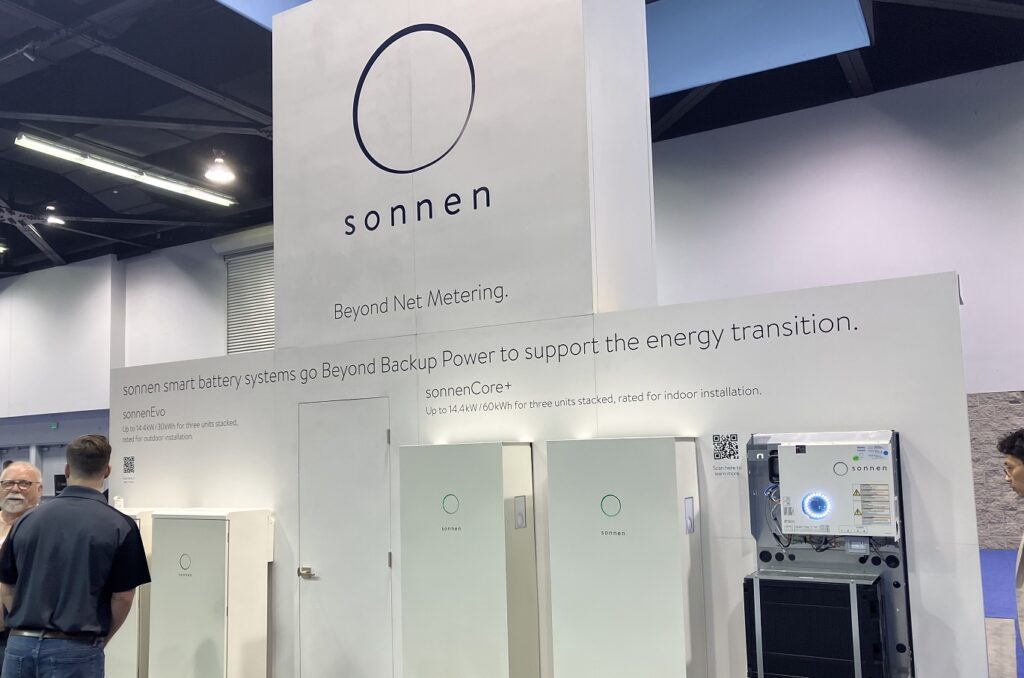
Germany and US residential battery storage and VPP provider sonnen’s network of batteries in Germany has reached 250MWh, and will hit 1GWh in the next few years, it said.
The company deploys home batteries and aggregates them into virtual power plant (VPP) networks which can then provide support to the grid, and is a market leader in Germany and the US. It launched its first products in 2010 and was acquired by oil and gas major Shell in 2019.
Its Germany VPP network has now reached 25,000 sonnenBatteries corresponding to an energy storage capacity of 250MWh. The company expects it to reach 1GWh in “the next few years”, though wasn’t more specific.
Oliver Koch, CEO of sonnen, said: “Almost any country that switches to clean energy will, sooner or later, reach the limits of its power grids by merely adding capacity. That’s why storage and digitalisation are key technologies, and that’s why we’re expanding our technology to more and more European markets, the US, and Australia. With our virtual power plant, we have an existing tool to integrate PV systems, electric vehicles, or heat pumps into our grids. Our power plant is already in people’s homes and does not require any additional space.”
Try Premium for just $1
- Full premium access for the first month at only $1
- Converts to an annual rate after 30 days unless cancelled
- Cancel anytime during the trial period
Premium Benefits
- Expert industry analysis and interviews
- Digital access to PV Tech Power journal
- Exclusive event discounts
Or get the full Premium subscription right away
Or continue reading this article for free
sonnen also operates VPP networks in Australia and Italy and uses lithium iron phosphate (LFP) battery cells for its batteries.
According to sonnen’s US CEO Blake Richetta, speaking to Energy-Storage.news at RE+ last year, the company has always focused on the VPP aggregation of its home batteries.
Home battery VPPs hold significant potential to help the grid manage supply and demand in the face of growing overall demand and increasing renewable intermittent generation. Belgium’s transmission system operator (TSO) Elia last year said that a home battery VPP network could provide 15% of its balancing needs.