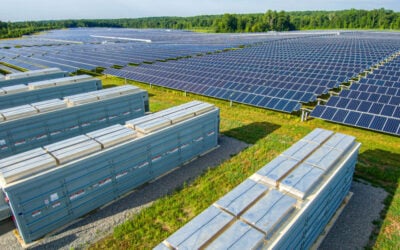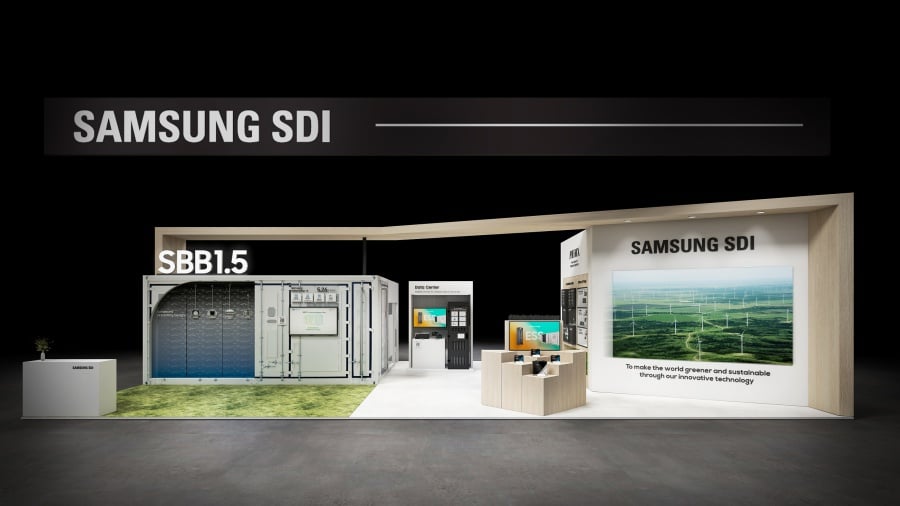
Samsung SDI will supply energy storage systems (ESS) to US energy holding company and project developer-owner NextEra.
The South Korean battery and electronics materials manufacturer said this morning in a regulatory filing to the Korea Exchange (KRX) that a contract was signed with NextEra Energy yesterday (13 March).
The announced deal, worth KR437 billion (US$301 million), is for the supply of ESS equipment to a NextEra Energy battery energy storage system (BESS) project in the US and retrospectively covers a start date of 15 April 2024, concluding 20 November 2025.
Samsung SDI—which counts Samsung Electronics as its biggest shareholder with just under 20% of total equity—said in its filing that it has concluded contracts with the customer for “multiple projects”.
Try Premium for just $1
- Full premium access for the first month at only $1
- Converts to an annual rate after 30 days unless cancelled
- Cancel anytime during the trial period
Premium Benefits
- Expert industry analysis and interviews
- Digital access to PV Tech Power journal
- Exclusive event discounts
Or get the full Premium subscription right away
Or continue reading this article for free
The disclosure covers the first project in that overall agreement, and the company said it would announce further project contracts as they are concluded, in line with stock exchange reporting requirements.
Samsung SDI noted that the April start date for the contract referred to “some supply” having been agreed with NextEra Energy.
Last year, in early July, the newspaper Korean Economic Daily reported a deal between the two parties, writing that Samsung SDI had hit a “jackpot” to supply “the biggest ESS battery in North America”.
The newspaper’s report that the deal would be worth KR1 trillion and cover 6.3GWh of equipment deliveries was unconfirmed as of that time by either party.
The battery manufacturer had been moved to issue a clarification of rumours or unconfirmed reports to the stock exchange that it had been in discussion for “long-term ESS supply with NextEra Energy in the United States.”
Samsung SDI finance team leader Kim Yoon-tae had noted in the clarification that the supply ‘would be divided into multiple projects and contracts will be signed, and the supply scale will be determined according to the contract to be signed.’
‘We will re-disclose when the supply contract is signed or within one month,’ the clarification concluded.
The Korean Times, an English-language daily newspaper, reported today that Samsung SDI’s Samsung Battery Box (SBB) 20-foot containerised BESS solution will be the main product to be supplied.