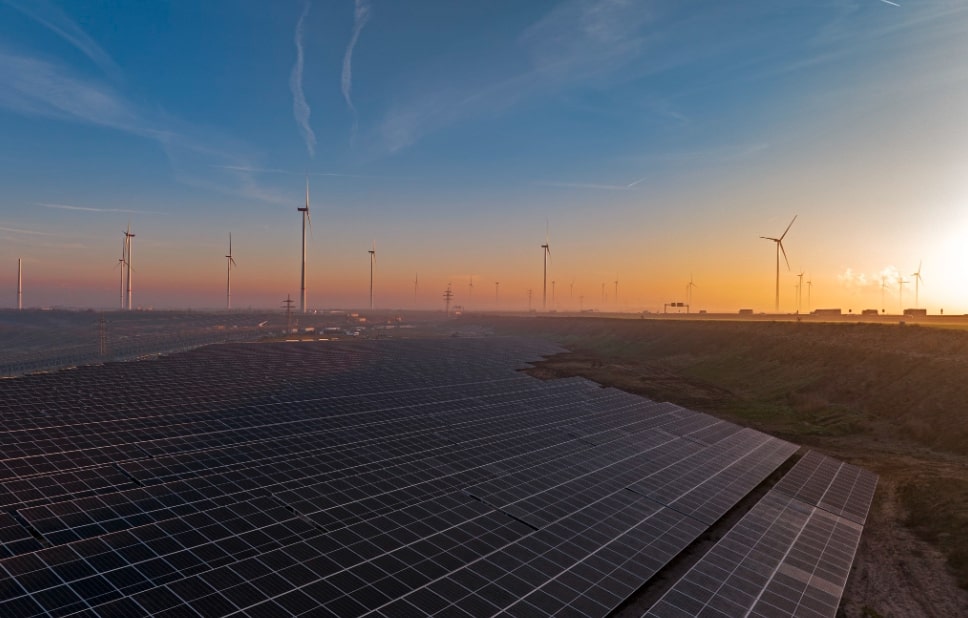
Germany-based multinational energy firm RWE has put two solar-plus-storage projects in the Rhenish mining region into commercial operation, with a total of 21MWh of energy storage capacity.
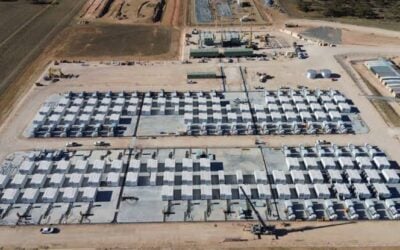
The company said both projects comprise more than 58,000 bi-facial solar PV modules. The Garzweiler solar PV plant boasts a capacity of 19.4MWp and a 6.5MW/13 MWh BESS. The second project, called Jackerath, totals 12.1MWp of solar PV and 4.1MW/8.1 MWh of BESS and is located at the western edge of the mine.
“The two locations have a combined area of approximately 38 football fields. This shows it is not only our large-scale recultivation areas that offer plenty of space for renewables but also opencast mine areas that are still in operation. We plan to use these to ensure the region continues to be an energy producer into the future,” said Lars Kulik, CTO Lignite at RWE Power.
The Garzweiler project is set up directly below the Königshovener Höhe Wind Farm operated by the German city of Bedburg and RWE. The company announced the construction of the project in November 2022, as reported by Energy-Storage.news.
Try Premium for just $1
- Full premium access for the first month at only $1
- Converts to an annual rate after 30 days unless cancelled
- Cancel anytime during the trial period
Premium Benefits
- Expert industry analysis and interviews
- Digital access to PV Tech Power journal
- Exclusive event discounts
Or get the full Premium subscription right away
Or continue reading this article for free
RWE added that there are four solar PV projects and battery storage systems in opencast mines already under construction or in operation in its portfolio. The Inden opencast mine, which has been operational since 2022, consists of a 14.4MWp solar PV plant and a battery storage system with a capacity of 4.8MW/9.6 MWh. At the Hambach opencast mine, the 12.2MWp RWE Neuland solar farm and its 4.1MW/8.1 MWh battery storage system are under construction.
The company is aiming for 500MW of renewable energy capacity in the Rhenish lignite mining area by 2030.
Solar-plus-storage projects in Germany are eligible for additional premiums per kWh of energy discharged from the BESS under the country’s Innovation Tenders, although this was not mentioned in RWE’s announcement.
This article was originally posted on our sister site PV Tech.