Developer Ikigai Energy and LDES firm RheEnergise have signed an MOU to develop a pipeline of projects in Italy using the latter’s ‘high-density hydro’ (HD Hydro) technology.
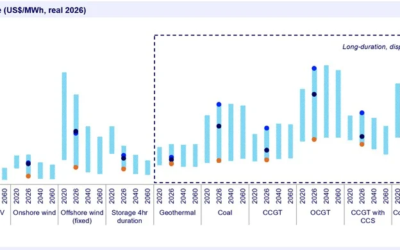
Four-hour battery storage is less expensive than open-cycle gas turbines in the 43 markets in which both technologies were modelled, according to a new report from market research firm Wood Mackenzie.
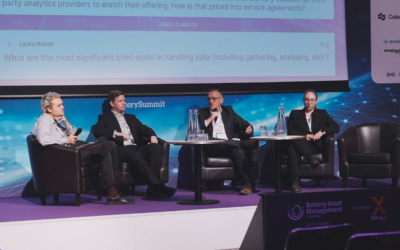
Dan Taylor, director of engineering at optimisation and asset management provider Arenko, speaks to Energy-Storage.news about all things data in battery energy storage systems (BESS).
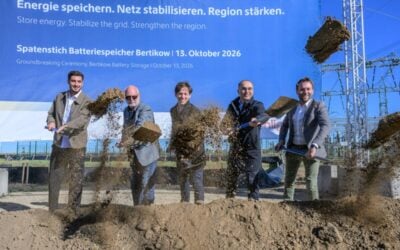
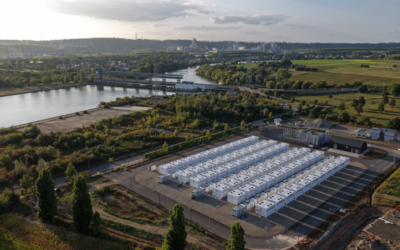
A trio of large-scale 4-hour BESS projects in Germany have progressed towards construction, from Enertrag and Enlight, Vattenfall and Fluence, and Giga Storage.
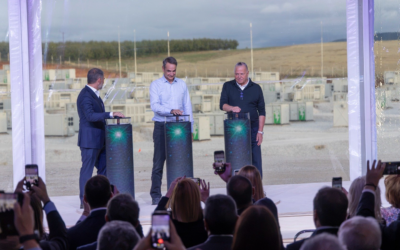
Metals and energy group Metlen and conglomerate Karatzis Group have inaugurated the largest BESS in Greece, in a ceremony attended by the country’s Prime Minister.
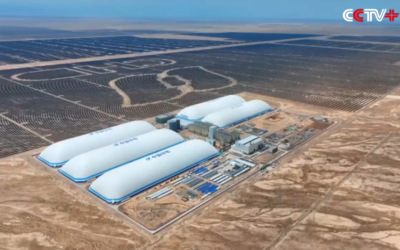
How similar is the technology of Exa Energy, which just connected a 100MW/1GWh carbon dioxide-based energy storage system to the grid in China, to that of Energy Dome?