A new white paper from Wärtsilä Energy shows that being able to integrate and then optimise all of these different assets is the key to ensuring that your project – and your investment – is going to provide the maximum benefit, longest possible lifetime in the field – and the best business case. Risto Paldanius, Director of Business Development, Energy Storage and Integration at Wärtsilä told us a bit more about what optimization really means in today’s energy market.
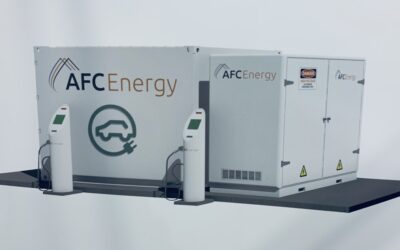
This week at the Solar & Storage Live show in England, Energy-Storage.news met with system integrator and inverter maker Multi-Source Power (MSP), which is now working on EV charge solutions using AFC’s fuel cells.
Despite the huge strides energy storage has made, significant hurdles remain before the technology in its many guises can be claimed to have fulfilled its massive potential. E-S.n editor Andy Colthorpe assesses the key successes and ongoing challenges for this indispensable part of the future power system.
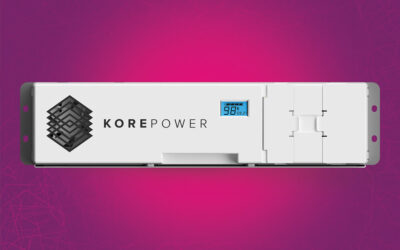
Idaho-headquartered KORE Power claims it will have 6GWh annual production capacity for its lithium battery energy storage solutions, based on high-power nickel manganese cobalt (NMC) cells, up and running during the first quarter of next year.
BBOXX has successfully closed a US$50 million Series D funding round that will see the next generation utility company accelerate its global expansion efforts.
Some choice words from conversations with Scott McGregor, CEO at redT, Avalon Battery president and chief product officer Matt Harper and NEXTracker’s chief technology officer, Alex Au.
We also asked what it means for the company to now be under SolarEdge’s ownership, why effective management and control of batteries may be a more important safety question than just which battery chemistry to choose.
According to reports carried last week in national outlets including Yonhap News and the Korea Herald, defective battery cells were not found to be the cause.
After approving investment for the acceleration of energy storage deployment in developing countries to the tune of US$1 billion a few months ago, the World Bank has now approved a US$300 million loan to do the same in China.