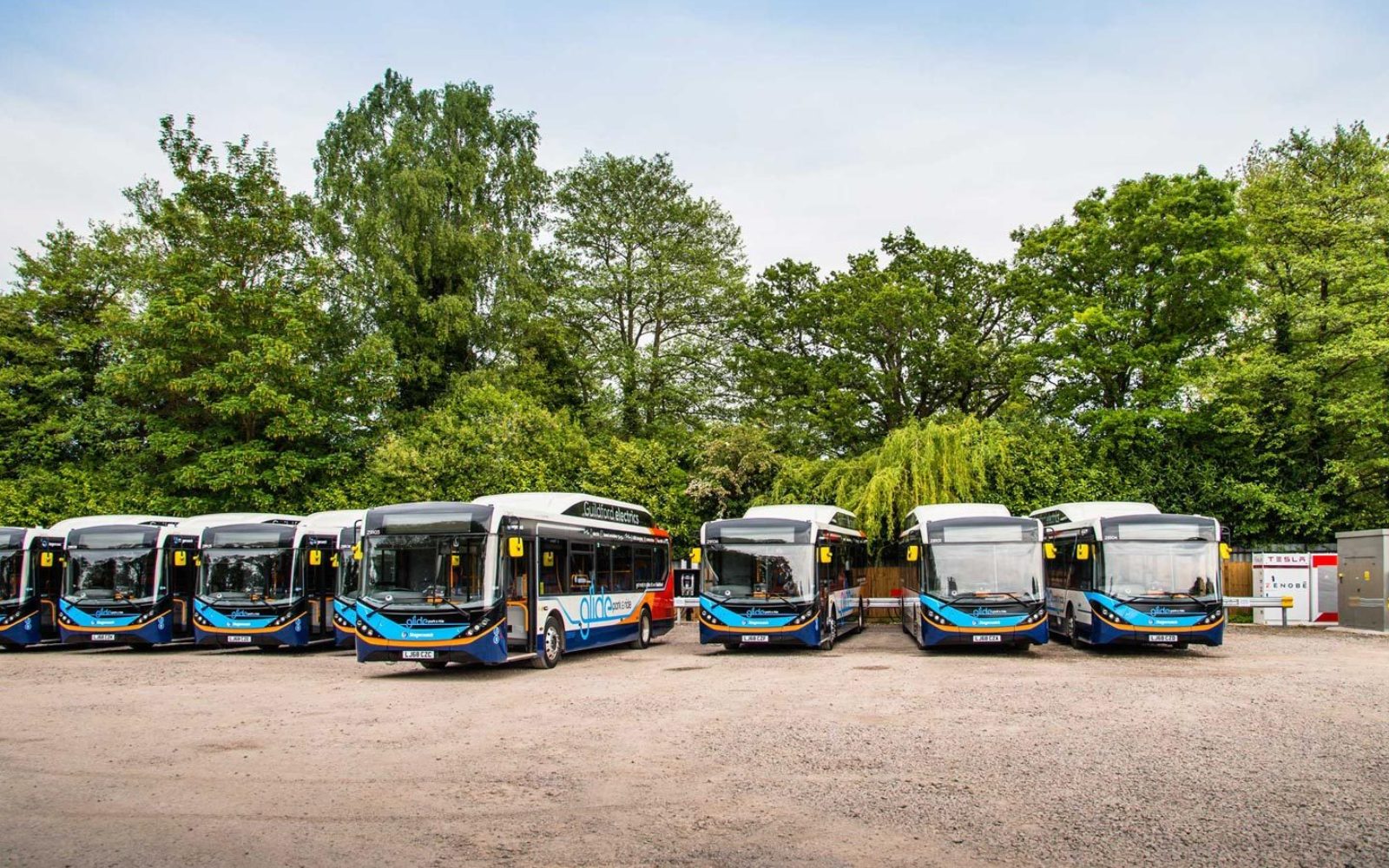
UK battery storage firm Zenobe has become the latest to bring an end-to-end EV solution to market, announcing up to £120 million (US$151.4 million) of funding for bus fleets.
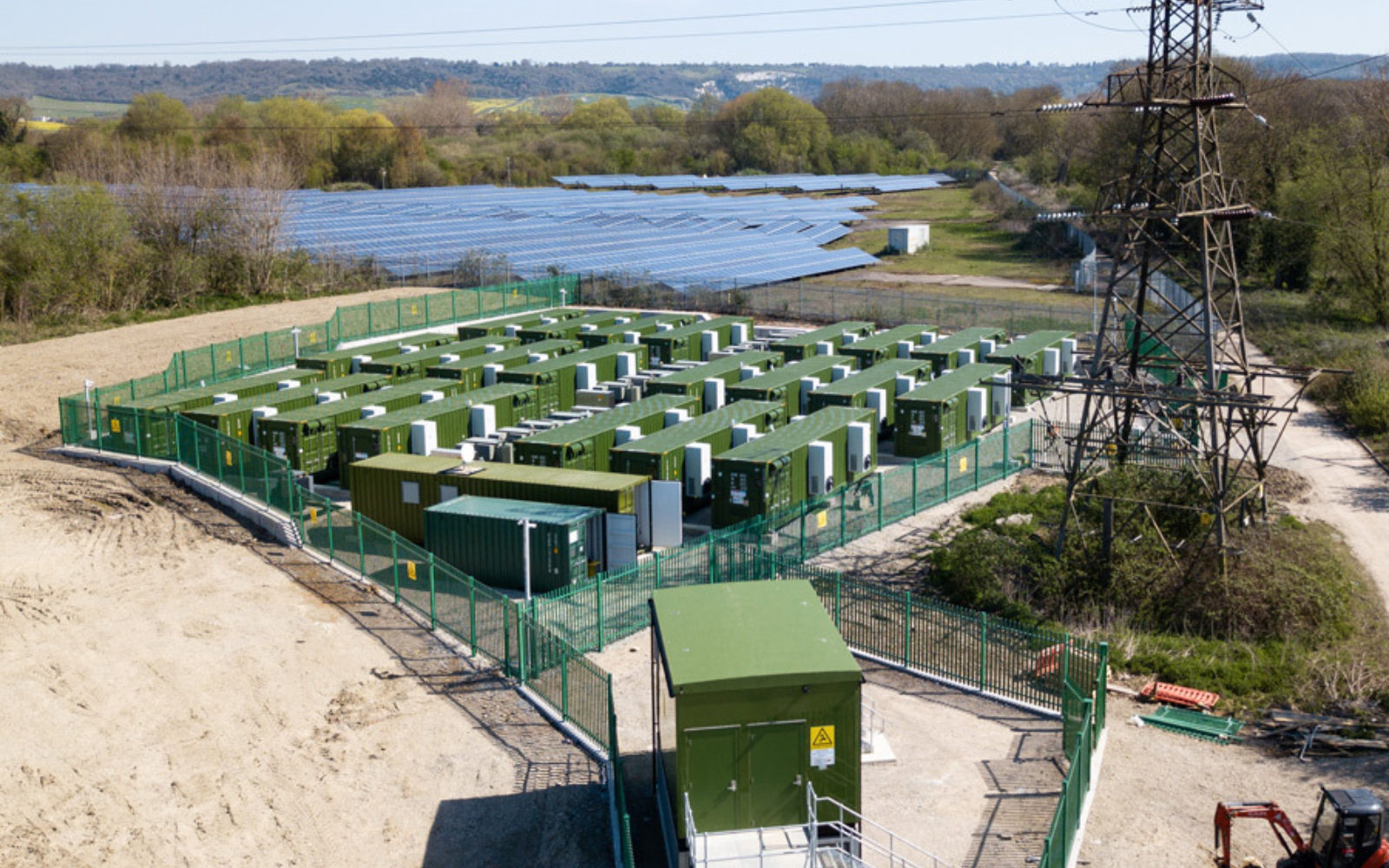
Zenobe’s service will provide financing for charging infrastructure, stationary battery storage located in the depot for overcoming grid constraints, batteries on the vehicles and the vehicles themselves.
A range of solutions will be provided, including upfront financing for local authorities, OEMs and bus and other fleet operators. Depending on the requirements, Zenobe will own and operate the depot batteries, smart charging infrastructure and the batteries on the vehicles.
This will create the option of a ‘one-stop’ solution for customers in exchange for a pence per-mile service fee or fixed monthly charge.
Try Premium for just $1
- Full premium access for the first month at only $1
- Converts to an annual rate after 30 days unless cancelled
- Cancel anytime during the trial period
Premium Benefits
- Expert industry analysis and interviews
- Digital access to PV Tech Power journal
- Exclusive event discounts
Or get the full Premium subscription right away
Or continue reading this article for free
The offering will lower the upfront cost of electrification, making the price similar to diesel buses as well as lowering total lifecycle costs by up to 30%.
Zenobe will work with the Low Carbon Vehicle Partnership to ensure all projects are zero emission and compatible with the standards in the government’s Ultra-Low Emission Bus (ULEB) scheme, which Zenobe’s scheme can be used alongside.
Zenobe, originally started up as Battery Energy Storage Solutions Ltd and then rebranded in 2017, had around 73MW of battery assets in operation in the UK as of February this year and has netted investment from the likes of Japanese utility TEPCO (Tokyo Electric Power Company) and power company JERA.
It is not the only firm looking to encourage electrification of buses, with Octopus and ABB announcing a ‘one-stop-shop’ for the charging of electric buses earlier this month.
Steven Meersman, co-founder of Zenobe Energy, said the scheme will help local councils and commercial fleet operators bring forward the rollout of zero-emission vehicles by several years.
“Using our solutions, we can enable local authorities and operators to access a faster, cheaper and lower-risk way to transition to EVs. We’re calling on organisations to work with us and provide the public with emission-free transport and last-mile deliveries now.”
Jonathan Murray, policy and operations director at the Low Carbon Vehicle Partnership, said that electrification of buses creates both challenges and opportunities for the electricity grid.
“This initiative from Zenobe Energy should be an important enabler of efforts on the part of vehicle operators to switch to zero emission vehicles, whilst making the electricity grid smarter and more resilient at the same time,” he added.
Watch Zenobe’s Steve Meersman talk about energy storage in the UK and related issues, in Energy-Storage.news’ exclusive video interviews from this year’s Energy Storage Summit, hosted in London by our publishers Solar Media.