Domestic vehicle-to-grid (V2G) can deliver ancillary services to the UK’s electricity network and earn revenues, but what is thought to be the world’s biggest trial of the technology has found that the costs of associated hardware are still too high for many consumers.
Key findings from a three-year trial called Project Sciurus included that aggregated electric vehicles (EVs) participating in Dynamic Containment, the UK grid operator National Grid’s most recently launched frequency regulation service, could earn consumers up to £725 (US$1026) a year, but hardware costs must reduce.
The project, run by UK energy supplier OVO Energy, carmaker Nissan, low emissions transport consultancy Cenex and IT company Indra, saw between 300 and 400 vehicle-to-grid (V2G) chargers installed, a number which was lowered from 1,000 due to limits of the number of consumers with compatible EVs.
Project Sciurus found that V2G chargers could save consumers £340 compared with £120 when using one-way smart charging. Additionally, by enabling the V2G chargers to provide grid services via aggregator Kaluza’s platform, the figure rises to £513 for Firm Frequency Response (FFR) and £725 for Dynamic Containment.
Try Premium for just $1
- Full premium access for the first month at only $1
- Converts to an annual rate after 30 days unless cancelled
- Cancel anytime during the trial period
Premium Benefits
- Expert industry analysis and interviews
- Digital access to PV Tech Power journal
- Exclusive event discounts
Or get the full Premium subscription right away
Or continue reading this article for free
However, there are significant challenges to implementing Dynamic Containment with a portfolio of V2G chargers, with a number of conditions adding both cost and complexity. These includes the requirement for the initiated response to be within 0.5 seconds with a full response within 1 second, assets needing to be aggregated up to 1MW and 20Hz settlement to be installed, among other requirements.
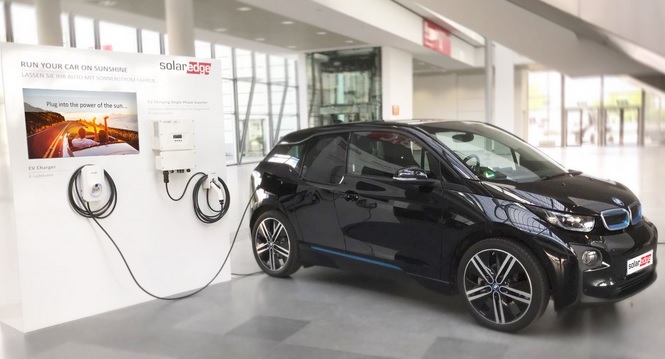
Additionally, while costs of the V2G hardware have come down significantly, they are still too high both for most consumers and for the financial business case to stack up for the operator. By the end of the trial, the V2G hardware and installation cost was around £3,700 higher than that of a smart charger.
To read the full version of this story, visit Current±.