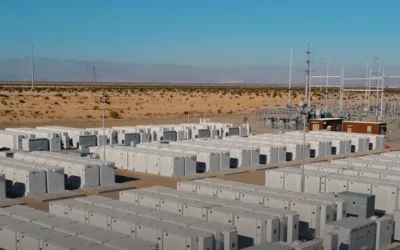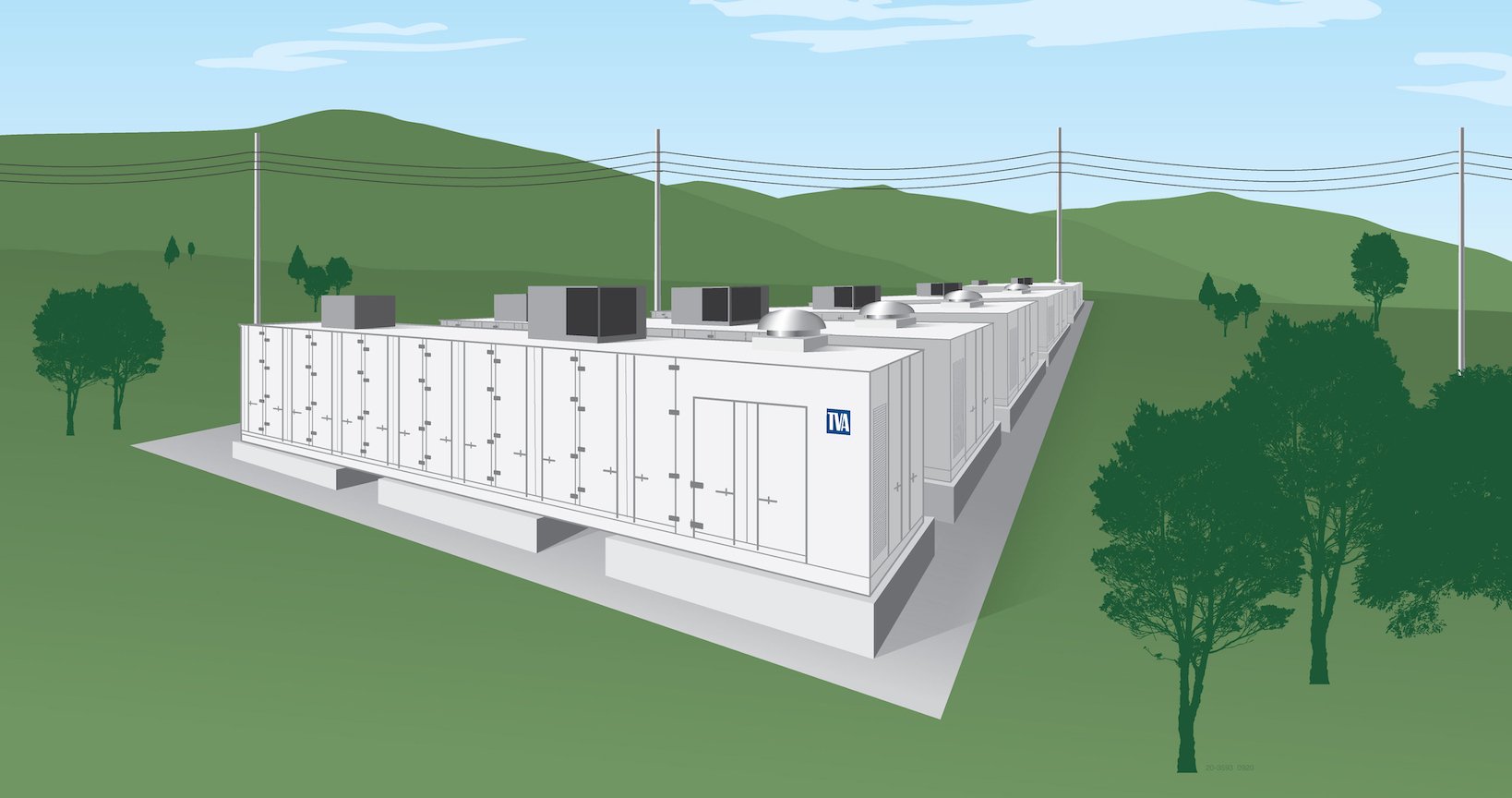
The US state of Tennessee is set to join the advanced energy storage age with the deployment of a 40MWh stationary grid-connected battery storage plant.
Tennessee Valley Authority, a non-profit “corporate agency of the United States”, which derives its revenues from electricity sales, said yesterday that it is going to own and operate the system, which will be built at an industrial complex near the city of Knoxville.
According to data from Pacific Northwest National Laboratory (PNNL), the southern state has 1652.2MW of installed energy storage capacity, but all but 0.1MW of this is at one massive existing pumped hydropower plant, Racoon Mountain.
TVA did not reveal the rated output of the newly-announced Vonore Battery Energy Storage System (BESS). The group did say in a release that the facility is expected to be operational in 2022, and will serve industrial customers of Loudon Utilities Board, a power company in East Tennessee which is one of the Authority’s local partners.
Try Premium for just $1
- Full premium access for the first month at only $1
- Converts to an annual rate after 30 days unless cancelled
- Cancel anytime during the trial period
Premium Benefits
- Expert industry analysis and interviews
- Digital access to PV Tech Power journal
- Exclusive event discounts
Or get the full Premium subscription right away
Or continue reading this article for free
The battery system can charge at off-peak times when electricity demand is low and be used by Loudon’s industrial customers when demand rises and power is more expensive. Ty Ross, Loudon Utilities Board general manager and Loudon City Manager said the battery “will provide premium power”.
TVA has been running for more than 80 years and serves local power companies as well as industrial customers and federal installations with electricity, as well as helping maintain flood control, managing local waterways and promoting economic development. Through its various partners, TVA serves electricity to almost 10 million people spread across parts of seven southeastern US states.
The group said the Vonore project will serve as a “test bed as TVA prepares to meet future energy needs”.
As with many power and load-serving entities across the US, TVA files long-term Integrated Resource Plans (IRPs) every few years, laying out what investments and spending it is committing to to maintain or upgrade utility network infrastructure and supply. Increasingly, IRPs have become an essential indicator of low carbon or renewable energy transition goals as well as grid modernisation for customers, regulators and policymakers.
TVA’s 2019 IRP, which covers the next two decades of planned activity, calls for adding up to 2.4GW of energy storage by 2028 and over 5GW of energy storage capacity by the end of the year 2038. While the Vonore 40MWh project will be TVA’s ‘own’ project, the group is also behind a large-scale solar-plus-storage project in Lowndes County, Mississippi, that will include 200MWh of battery storage capacity.