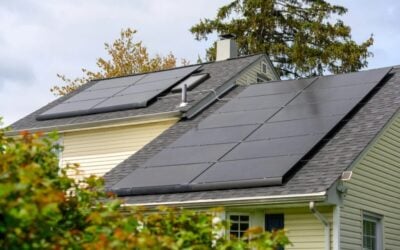
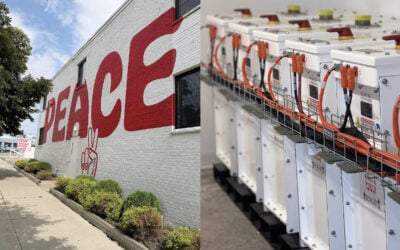
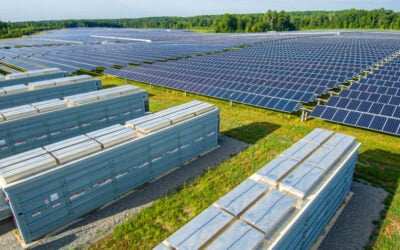
Chinese PV inverter manufacturer Sungrow has installed a hybrid solar-diesel-storage system for five islands in the Maldives, consisting of 2.7MWp of solar and 700kW / 333kWh of energy storage.
Sungrow has supplied all the equipment for the project, including PV and storage inverters, the energy management system, and lithium-ion batteries by the Sungrow-Samsung SDI joint venture. The equipment is set to efficiently utilise the abundant solar resources and be fully integrated into the existing diesel network.
The islands are typically dependent on expensive diesel power and suffer from both poor quality power and high electricity costs.
The five islands – Addu, Villingili, Kurendhoo, Buruni, and Goidho – are now equipped with the PV-diesel- hybrid energy storage microgrid, which provides stable and high quality power. The solar diesel component offsets the variable generation of solar PV, while the storage stores energy during the night and times of low irradiation, and provides frequency regulation and ramp-rate control capabilities. Therefore, such hybrid projects area ideal for island territories that often lack grid access.
Try Premium for just $1
- Full premium access for the first month at only $1
- Converts to an annual rate after 30 days unless cancelled
- Cancel anytime during the trial period
Premium Benefits
- Expert industry analysis and interviews
- Digital access to PV Tech Power journal
- Exclusive event discounts
Or get the full Premium subscription right away
Or continue reading this article for free
The project is estimated to save US$1.4 million in fuel costs and meet more than 30% of local domestic and office energy demands, providing sustainable economic value to the islands.
“Sungrow has developed a complete system solution for load-shifting, peak-shaving, microgrid, and frequency regulation,” said Renxian Cao, president of Sungrow. “By the end of 2016, Sungrow has successfully completed over 400 energy storage projects globally and has an accumulated installation of over 1GWh. We’ll continue to support the Maldives in their efforts to reduce power cost and protect the environment.”
Both the business case and environmental advantages of replacing island grid diesel with solar and storage have been long talked about, with the most recently reported project of this type announced on the Cook Islands by Australian developer MPower at the beginning of this month. Meanwhile, Sungrow is building another record 150MW floating solar project in China.