Energy trading firm Power Ledger’s peer-to-peer (P2P) technology is integrated from the design conception stage of a new property development in Australia.
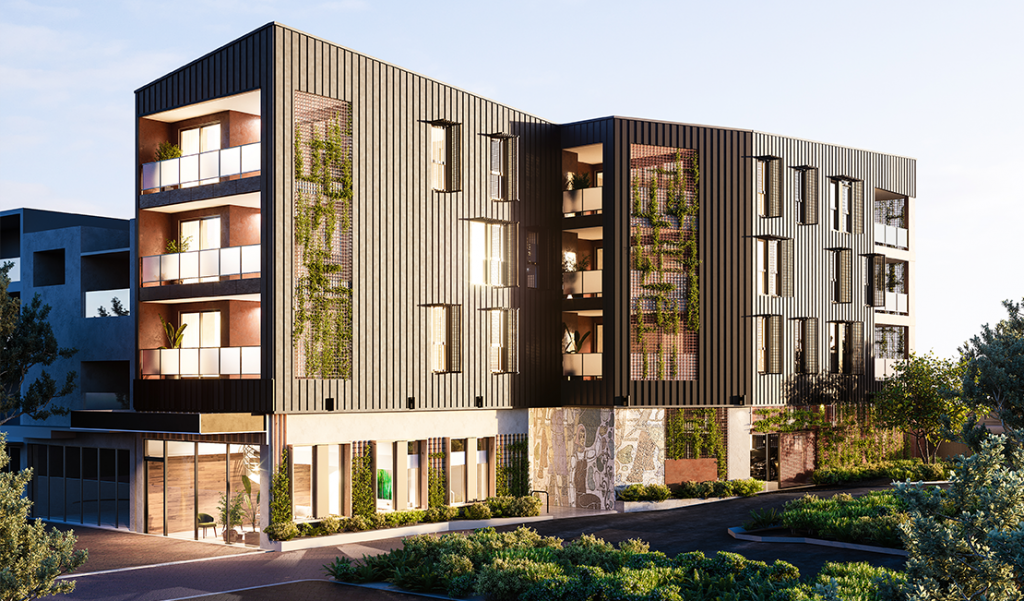
Bluerock Projects’ DeHavilland Apartments development in Perth’s east will be the recipient of the technology, allowing nine apartments and one commercial space to trade energy.
A solar PV system and SENEC battery will be shared, with the solar energy traded between one another using SATEC advanced smart meters.
Energy management and embedded network management company Element 47 will integrate with Power Ledger’s blockchain-based platform to provide an internal auditing system of the building’s energy consumption.
Try Premium for just $1
- Full premium access for the first month at only $1
- Converts to an annual rate after 30 days unless cancelled
- Cancel anytime during the trial period
Premium Benefits
- Expert industry analysis and interviews
- Digital access to PV Tech Power journal
- Exclusive event discounts
Or get the full Premium subscription right away
Or continue reading this article for free
Element47’s technology will monitor energy use at the residential complex, allowing greater visibility over where the most energy is being consumed and providing efficiency audits from items such as fridges, air conditioners, lights and televisions.
The development is expected to be completed by the end of 2019 and is the latest to receive Power Ledger’s technology. A development in Fremantle, Western Australia, saw the technology integrated into the development last year. The development is also trading solar PV, with a battery in place at one of the apartment blocks.
Power Ledger also took the technology to Malaysia earlier this year for an eight-month trial after penning an agreement with Malaysia’s Sustainable Energy Development Authority (SEDA).
Dr Jemma Green, co-founder and executive chairman of Power Ledger, said Power Ledger enables greater use of renewable infrastructure and enables solar owners to participate in energy trading markets that were previously unavailable to them.
“Planning new technologies such as Power Ledger’s platform into new projects, developers are setting the foundations for the next generation of energy systems,” Green said.
The timber-based development is also being lauded as the first multi-residential, mixed-use medium rise development in the state.