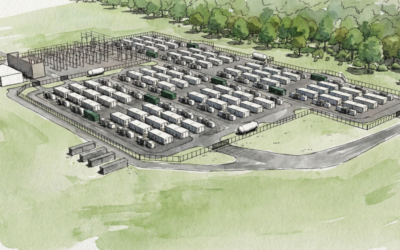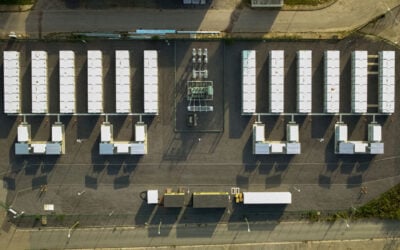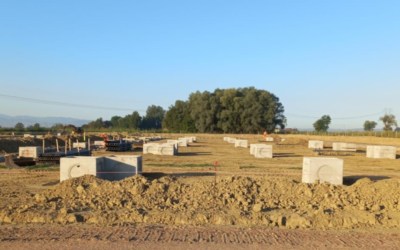
Development approvals have been granted for New Zealand’s biggest planned battery energy storage system (BESS) to date.
The 100MW battery storage project is in development by electricity generator and retailer Meridian Energy at Ruākākā on New Zealand’s North Island. The site is adjacent to Marsden Point, a former oil refinery.
Meridian said last week (3 November) that it has received resource consent for the project from the Whangārei District Council and Northland Regional Council authorities. It marks the first stage of Ruākākā Energy Park, with Meridian hoping to also build a 125MW solar PV plant at the site later.
Meridian aims to have the BESS commissioned during 2024. The company’s head of renewable development Helen Knott said the help it will give to the grid will reduce volatility of supply and demand, and therefore contribute to bringing down electricity prices.
Try Premium for just $1
- Full premium access for the first month at only $1
- Converts to an annual rate after 30 days unless cancelled
- Cancel anytime during the trial period
Premium Benefits
- Expert industry analysis and interviews
- Digital access to PV Tech Power journal
- Exclusive event discounts
Or get the full Premium subscription right away
Or continue reading this article for free
“We’ve seen our electricity system come under occasional strain with supply issues that have led to price instability. The battery storage will help to reduce these events by smoothing the distribution of supply and demand,” Knott said.
The system will charge with cheap energy during off-peak hours and send it back to the grid at times of high demand. It will also enable more power generated on New Zealand’s South Island to be utilised in the north.
In helping increase the utilisation of renewable energy, the facility could also enable fossil fuel resource retirements on the North Island, Knott said.
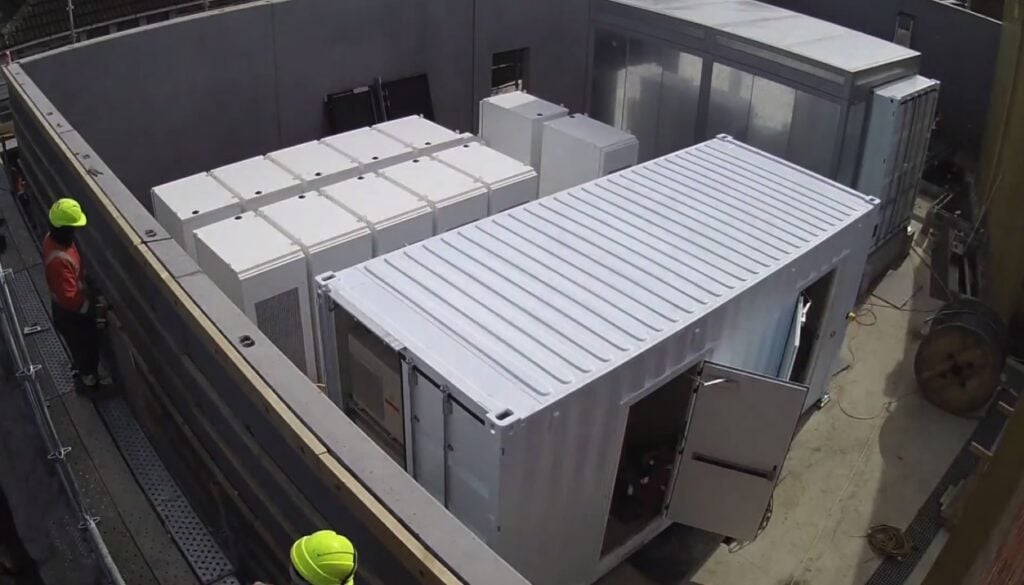
As reported by Energy-Storage.news in March, New Zealand’s biggest publicly announced battery storage project is a 35MW system currently under construction by electricity distribution company WEL Networks and developer Infratec.
Also on the North Island, that project is nearing its expected completion date in December this year, with BESS technology provided by Saft and power conversion systems (PCS) by Power Electronics NZ.
The country’s first megawatt-scale battery storage system is thought to have been a 1MW/2.3MWh project completed in 2016 using the Tesla Powerpack, Tesla’s first iteration of an industrial and grid-scale BESS solution. However the first BESS to be connected to the high-voltage transmission grid in New Zealand came two years after that.