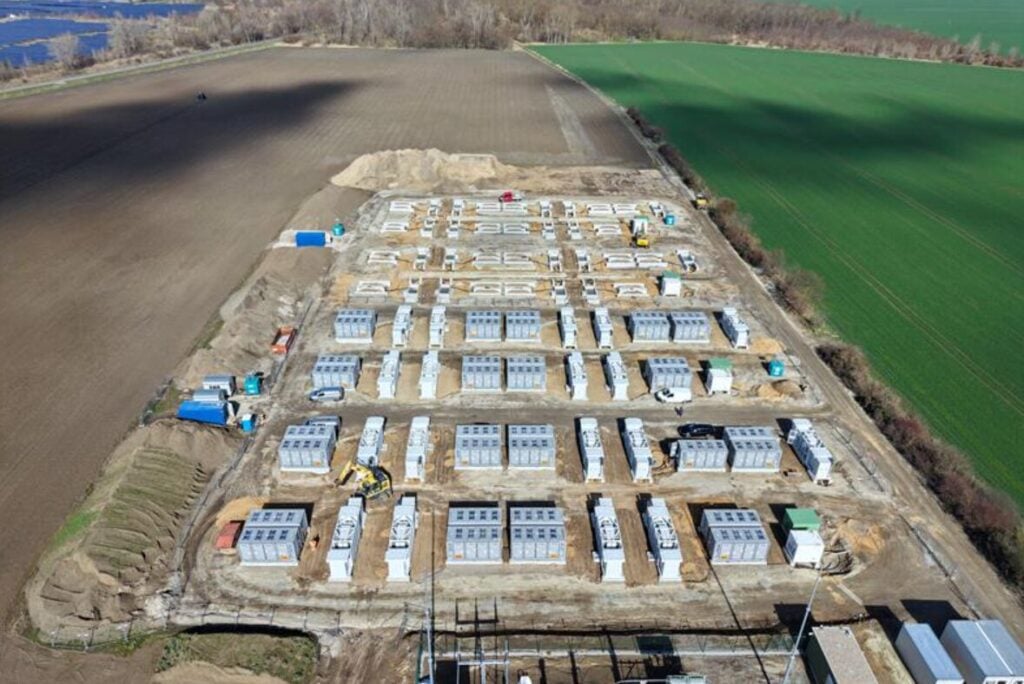
Utility and power firm Munch Energie is putting five large-scale BESS projects online in Germany.
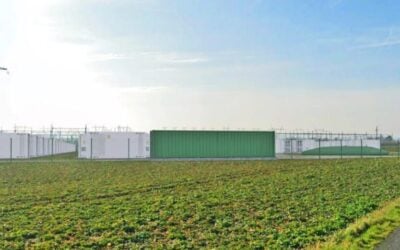
The company said it is connecting a grid-scale battery energy storage system (BESS) network totalling 500MWh to the grid in Saxony-Anhalt.
It will create the largest integrated BESS network in Germany, it claimed, and is being expanded to 800MWh by the end of 2026.
Some outlets reported the portfolio as being ‘commissioned’ while Munch’s press release (translated from German) used the phrases ‘being connected’ and ‘goes online’.
Try Premium for just $1
- Full premium access for the first month at only $1
- Converts to an annual rate after 30 days unless cancelled
- Cancel anytime during the trial period
Premium Benefits
- Expert industry analysis and interviews
- Digital access to PV Tech Power journal
- Exclusive event discounts
Or get the full Premium subscription right away
Or continue reading this article for free
Financing services firm Capcora said a few months ago that Munch’s projects are 50MW/100MWh each and will commence commercial operations by June 2026, when it announced project financing for two of them. They are connected to the grid at a newly-built substation.
Munch’s first BESS project was back in 2023, when it built a solar-plus-storage project with a 34MWh BESS provided by system integrator Fluence. It hasn’t revealed the BESS supplier for these new five projects.
The German grid-scale energy storage market is one of Europe’s most active for large-scale investments, with huge arbitrage opportunities in its wholesale energy market driven by a massive solar PV pipeline creating flexibility needs.
However, there are several significant regulatory challenges including the expiry of an exemption for charge-discharge grid fees in August 2029. What happens beyond then is not clear, making it near-impossible to invest in projects for commercial operation beyond that date.