The ‘world’s first dedicated energy storage infrastructure fund’ will invest in California battery energy storage projects, with Macquarie set to sell 50% of a 340MWh tranche to the fund’s owner, SUSI Partners.
Following February’s excellent Energy Storage Summit at London’s Victoria Park Plaza hotel and hosted by our publisher Solar Media, here’s a short series of videos posing some of the big questions around energy storage, renewables, climate change, business and the industry, and more.
Constant Energy signs MoU with Siam Cement Group (SCG Cement), to deploy 50MW of C&I solar PV plants, with the company chief planning for an energy storage component on many of the projects.
China’s BYD has signed a deal which could see up to 100MWh of its systems deployed in Mexico as part of a distributed energy and large-scale solar buildout by finance group Pireos Capital.
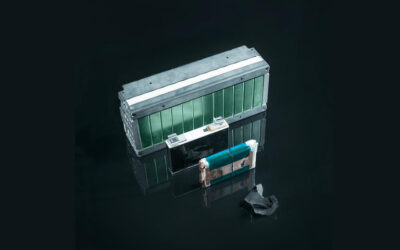
A recycling process for lithium-ion batteries already up and running, by Finnish state-owned energy services company Fortum could make dramatic reductions in their environmental footprint, the company has said.
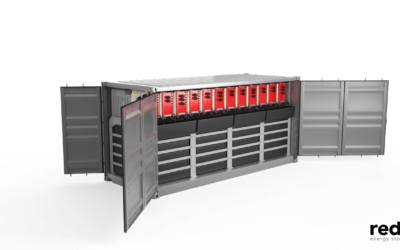
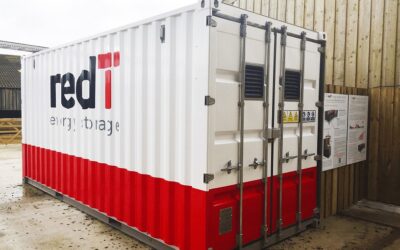
Norwegian utility Statkraft has partnered with flow machine specialist redT on a fully-financed solar-plus-storage offering for the UK’s thriving C&I renewables market.
A contract with utility Southern California Edison (SCE) has led to Advanced Microgrid Solutions (AMS) supplying 2GWh of grid services from just 60MWh of energy storage during 2018, with one analyst dubbing the feat an “impressive milestone”.
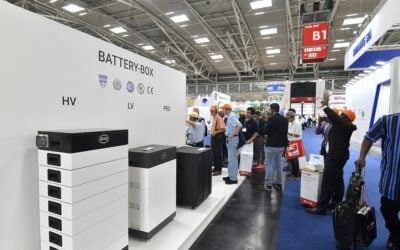
Walking around Energy Storage Europe this year it was obvious that the show, like the market, has grown from a small handful of “strong believers” as one source put it, to a forward-looking show focused on a ‘business-as-usual’ scenario.