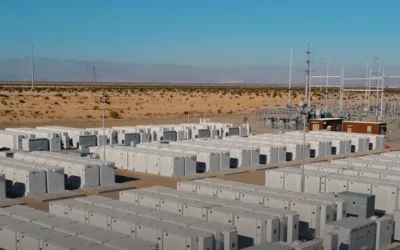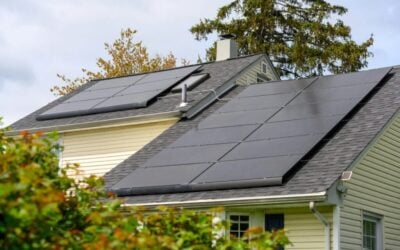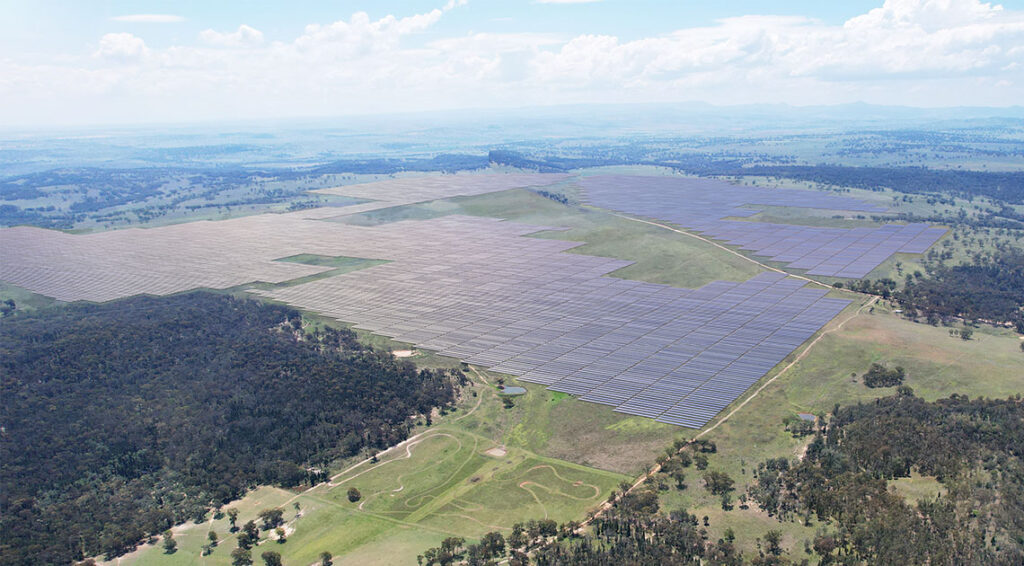
Renewable energy company Maoneng has proposed an energy hub in New South Wales (NSW), Australia, with a 550MWac solar farm and 400MW/1,600MWh battery energy storage system (BESS).
The company plans to lodge a development application for the Merriwa Energy Hub with the NSW Department of Planning, Industry and Environment. It said that it expects the project to be completed in 2025 which would coincide with the planned closure of the nearby 550MW Liddell Coal Power Station.
The proposed solar farm would cover 780 hectares comprising 1.3 million PV solar panels paired with the 400MW, four-hour BESS, and the overall project would take 18 months to build. The 1,600MWh BESS would be nearly four times larger than Australia’s largest existing BESS facility, the 300MW/450MWh Victorian Big Battery which went online in December 2021.
Maoneng’s project will require the construction of a new substation directly connecting to the National Electricity Market (NEM) via TransGrid’s nearby existing 500kV transmission line. The company said the project, near the town of Merriwa in the Hunter region of NSW, is designed to address the regional energy supply and grid stability needs of the NEM.
Try Premium for just $1
- Full premium access for the first month at only $1
- Converts to an annual rate after 30 days unless cancelled
- Cancel anytime during the trial period
Premium Benefits
- Expert industry analysis and interviews
- Digital access to PV Tech Power journal
- Exclusive event discounts
Or get the full Premium subscription right away
Or continue reading this article for free
The project’s website says it has moved past the grid studies stage and on to launching a construction tender process to find a contractor to work on it.
Maoneng Co-founder and CEO Morris Zhou commented: “This project will support the NSW Government’s large-scale solar generation and battery storage strategies as the state moves towards increasing use of clean energy. We have deliberately chosen the site based upon its robust connection to the existing grid, making efficient use of the infrastructure that exists today.”
The company recently got development approval for a 240MW/480MWh BESS in the state of Victoria.
Australia currently has around 600MW of grid-connected utility-scale BESS across all states according to Ben Cerini, managing consultant market consulting group Cornwall Insight Australia. Another group, Sunwiz, said there is a little over 1GWh of commercial & industrial (CYI) and grid-connected BESS in construction in its ‘Battery Market Report – 2022’.