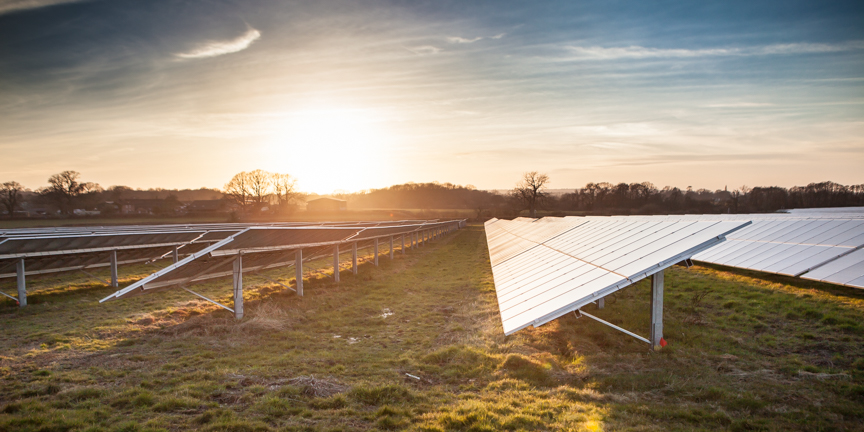
North Kesteven District Council, a local authority in England’s Midlands, has approved a near 50MW solar farm alongside planning consent for a 50MWh battery for Pegasus Group, adjacent to an existing 18MW solar farm.
Plans for the Branston Solar Extension were approved last week, which will see the 49.9MW project – with a 40MW export capacity – delivered on land near to the Branston potato processing and preparation facility outside Lincoln, which is north-east of Nottingham in England’s East Midlands region.
The potential 25MW/50MWh battery is not provided for by the approved grid connection and so Pegasus Group will now engage with local distribution network operator Western Power Distribution to see the storage facility utilised.
There is a small import capacity within the existing grid offer and so discussions with WPD will seek to see this increased.
Try Premium for just $1
- Full premium access for the first month at only $1
- Converts to an annual rate after 30 days unless cancelled
- Cancel anytime during the trial period
Premium Benefits
- Expert industry analysis and interviews
- Digital access to PV Tech Power journal
- Exclusive event discounts
Or get the full Premium subscription right away
Or continue reading this article for free
A spokesperson for the applications added that the company would seek outside parties to build the business case for the battery.
Josh Pollock of Pollock Associates also told our UK sister site Solar Power Portal there is potential for up to 10% of the generation from the solar park to be utilised through a hardwire power purchase agreement with the nearby potato processing company.
Pegasus Group says it was able to secure planning officer recommendation for the site without any objections after working closely with councillors and planning officers while consultation with the local community.
Emma Ridley, a planner with Pegasus Group, said: “To receive planning approval with no objections reflects not only the viability of the scheme and suitability of the site, but also the depth of work carried out in respect of community consultation.”
In a recent market research report, Solar Media analyst Lauren Cook forecast ‘explosive growth’ for UK battery energy storage projects through to 2022, including a growing case for co-location or pairing with renewable generation.