Swiss energy storage firm Leclanché has landed a new financing package from a US equity fund to help fuel its expansion.
That facility will coincide with a separate investment originating from FEFAM, the firm’s largest shareholder, as it bids to treble the cell manufacturing capacity of its facility in Germany.
Yesterday (18 February 2020) the vertically-integrated energy storage company confirmed that it agreed to an unsecured convertible loan facility with New Jersey-based Yorkville Advisors with a maximum ceiling of CHF39 million (US$40 million).
The terms of the agreement allow Yorkville to convert each loan note into Leclanché shares and require that drawdowns from the facility be complete within two years.
Try Premium for just $1
- Full premium access for the first month at only $1
- Converts to an annual rate after 30 days unless cancelled
- Cancel anytime during the trial period
Premium Benefits
- Expert industry analysis and interviews
- Digital access to PV Tech Power journal
- Exclusive event discounts
Or get the full Premium subscription right away
Or continue reading this article for free
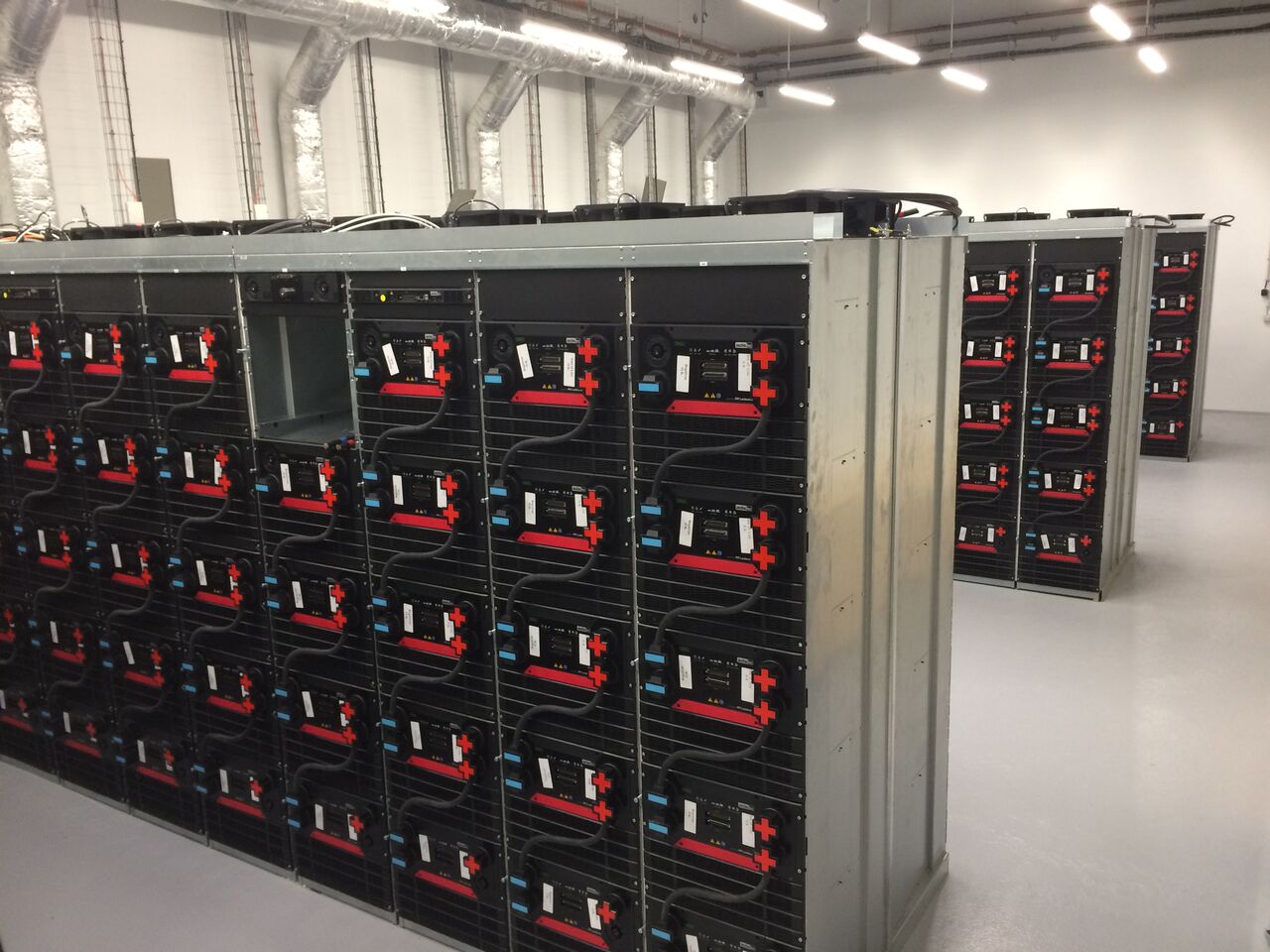
Initial proceeds from the facility are to be used to fund company operations and a mooted expansion, hinging on a planned uptick in battery cell manufacturing capacity at its plant in Willstätt, Germany.
And Leclanché has tapped up majority shareholder FEFAM to provide a CHF25 million (US$25.4 million) working capital financing convertible facility – itself with a fixed draw down schedule – which chief executive Anil Srivastava said would help finance a trebling of that plant’s capacity.
That investment comes less than two years after investor group FEFAM last provided Leclanché with a cash injection, having ploughed some CHF75 million (US$76 million) into the company in June 2018.
It also comes amidst a growing appetite from investors for upstream energy storage manufacturing companies, especially in Europe. In the middle of last year Sweden’s Northvolt toasted a US$1 billion raise from parties including BMW, Volkswagen and Goldman Sachs, which it has earmarked to establish gigawatt-level factories strategically throughout Europe.
David Gonzalez, partner and general counsel at Yorkville Advisors, said that what Leclanché had achieved in the energy storage was “Impressive”, adding the funder’s belief that the company had “tremendous long-term growth potential”.
In total, Leclanché said it had now raised around CHF64 million (US$65 million) in growth funding already this year.
Having left its original location in Yverdon-les-Bains, Switzerland, in 2008, Leclanché began to develop battery cells in Willstätt a year later, gradually ramping up the facility’s output. A one million lithium-ion cell production line was installed in 2012 before being ramped up in 2013, however the firm has since produced lithium titanate, lithium graphite/NMC and graphite NMC chemistry cells.