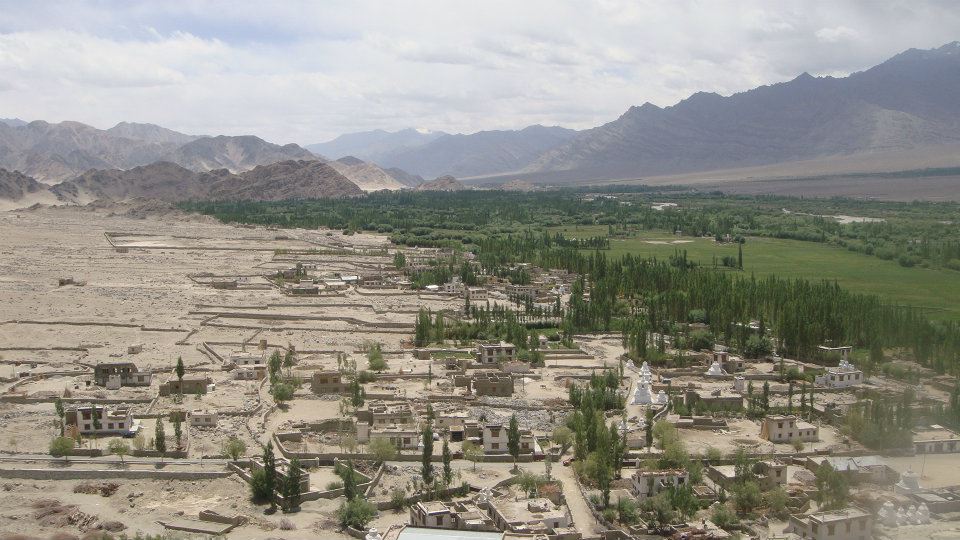
India’s cabinet has approved a 13GW renewable energy project, with a 7.5GW solar park, in the most northern state of Ladakh, a remote area that has amongst the most suitable solar conditions in the world.
Prime minister Narendra Modi also announced plans for 12GWh of Battery Energy Storage Systems (BESS) in Pang at the southern tip of the state, which has an extreme climate, with very strong irradiation and high altitude offering low temperatures.
The Cabinet Committee on Economic Affairs, chaired by Modi, greenlit the project under phase two of its Green Energy Corridor venture. The Power Grid Corporation of India will lead the project, but completion is a long way away, with a target for setting up by FY2029/30 at a cost of nearly INR208 billion (more than US$2.49 billion).
To read the full version of this story, visit PV Tech.
Try Premium for just $1
- Full premium access for the first month at only $1
- Converts to an annual rate after 30 days unless cancelled
- Cancel anytime during the trial period
Premium Benefits
- Expert industry analysis and interviews
- Digital access to PV Tech Power journal
- Exclusive event discounts