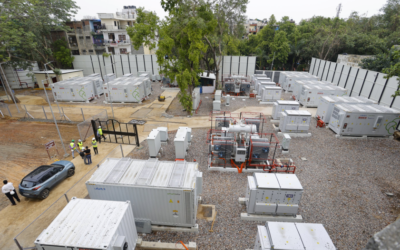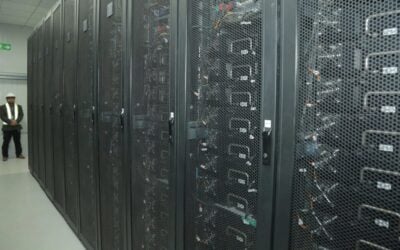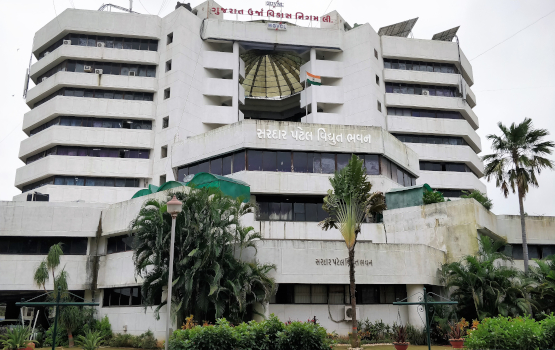
The electricity board of the Indian state of Gujarat is tendering for 500MW/1,000MWh of standalone battery energy storage systems (BESS).
Electricity market regulation board Gujarat Urja Vikas Nigam (GUVNL) issued a Request for Selection (RfS) document for what it described as pilot projects, dated 10 August. GUVNL is also the holding company for the state-owned generation, transmission and distribution companies (discoms).
GUVNL said the projects would be utilised on an ‘on-demand’ basis according to the requirements of the discoms.
Though not spelt out, it appears they need to have a discharge duration of two hours, which increases the ability to provide load shifting services (versus ancillary services where duration is less important than nameplate MW power). The tender requires them to be available for two full operational cycles (charge and discharge) per day with an availability of at least 95%.
Try Premium for just $1
- Full premium access for the first month at only $1
- Converts to an annual rate after 30 days unless cancelled
- Cancel anytime during the trial period
Premium Benefits
- Expert industry analysis and interviews
- Digital access to PV Tech Power journal
- Exclusive event discounts
Or get the full Premium subscription right away
Or continue reading this article for free
GUVNL will enter into a Battery Energy Storage Purchase Agreement (BESPA) with the successful bidders, who will be required to set up the BESS projects on a build-own-operate model.
Projects in development or construction are eligible but not those that have been commissioned already, and projects must dedicate all offtake to the requirements of the tender/discoms.
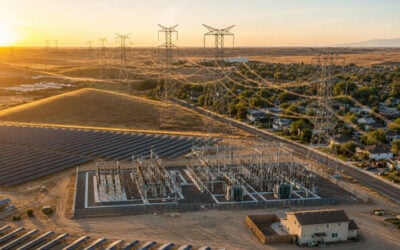
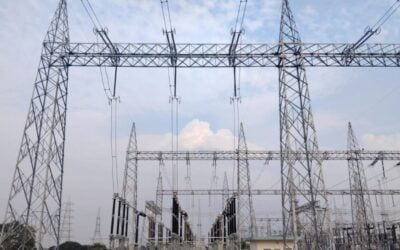
The BESS units must have a minimum size of 40MW/80MWh and the land needed, all in the vicinity of the state’s substations, will be leased by the Gujarat Energy Transmission Corporate (GETCO), the transmission system operator (owned by GUVNL).
This latest tender by India’s most westerly state comes three months after it launched a separate tender for 500MW of renewable energy resources to be paired with energy storage, as covered by Energy-Storage.news.
Alongside state-led initiatives, significant amounts of energy storage is being added to India’s grid through central government tenders. Two of these, from the Solar Energy Corporation of India (SECI) and another from state-owned power group NTPC will add 1GW/4GWh of energy storage.
The authors of a report from the Institute for Energy Economics and Financial Analysis (IEEFA) described tenders like these as marking the beginning of an ‘energy storage revolution’ in the country.
And more recently, the government enacted legislation which means that the percentage of total energy consumed from renewable resources with or through energy storage should be set at 1% in the 2023-2024 timeframe and rise to 4% by 2029-2030. This added to a similar existing one for renewable resources.
Concurrent with the legislation, a government thinktank predicted in July that demand for BESS would reach around 180GWh by 2030.