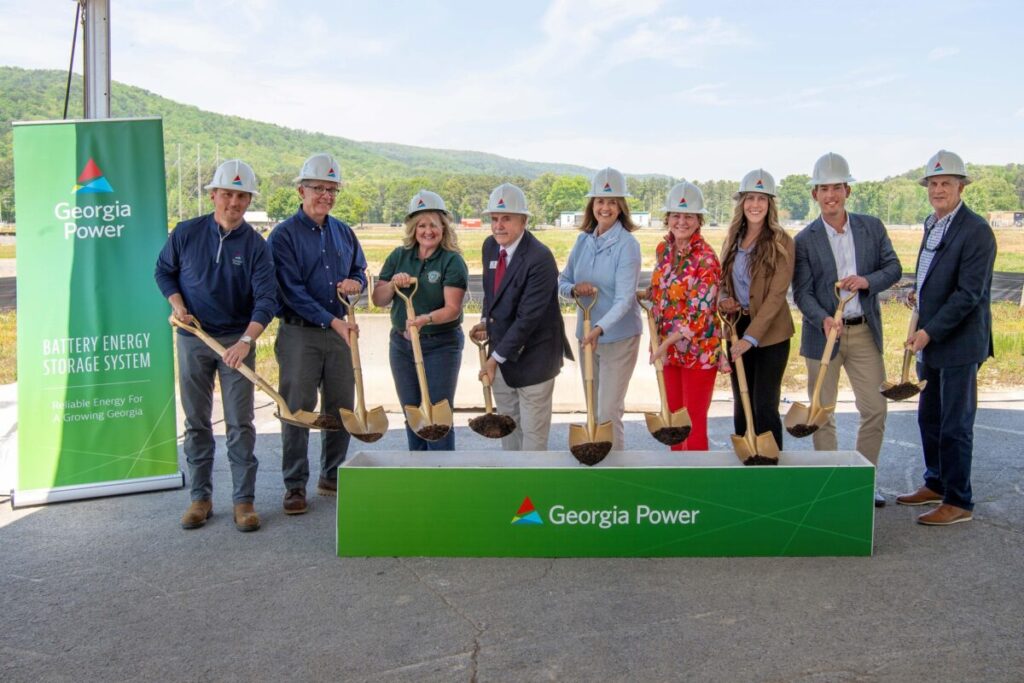
Utility Georgia Power has reached an agreement with the Public Interest Advocacy (PIA) staff of the Georgia Public Service Commission (PSC), that, if approved, will help lower energy costs and meet electricity demand in the state.
The company recently announced it reached a stipulated agreement with the PIA Staff. This agreement aims to help the company meet the rapidly growing electricity demand in the state while maintaining low costs for customers.
It also signifies an important milestone in the certification process for about 9,900MW of new resources under review by the Georgia PSC since July.
The agreed terms enable the company to acquire a variety of cost-effective resources, primarily obtained through a competitive bidding process.
Try Premium for just $1
- Full premium access for the first month at only $1
- Converts to an annual rate after 30 days unless cancelled
- Cancel anytime during the trial period
Premium Benefits
- Expert industry analysis and interviews
- Digital access to PV Tech Power journal
- Exclusive event discounts
Or get the full Premium subscription right away
Or continue reading this article for free
The agreement states that when the company submits its next base rate case in 2028, it will do so in a way that guarantees additional revenue of at least US$556 million annually from large-load customers, which should lead to a rate reduction of at least US$8.50 per month, around US$102 per year, for the average residential customer using 1,000kWh monthly.
Georgia Power claims that the agreed-upon terms demonstrate how large energy consumers like data centers, contribute to reducing costs for all customers and aid in infrastructure investments that benefit the entire electric grid of the state.
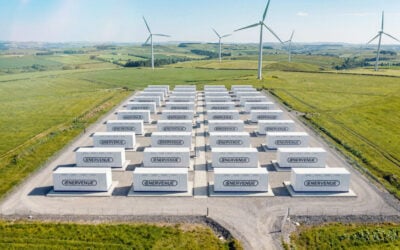
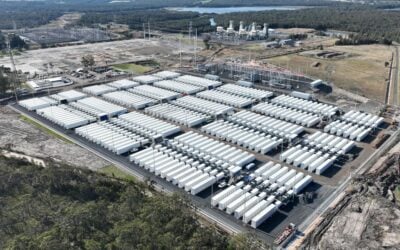
If the Georgia PSC approves, the stipulated agreement will enable the company to move forward with over 3,600MW of new combined cycle natural gas generation, more than 3,000MW of new battery energy storage systems (BESS), 350MW of BESS-plus-solar, and over 2,800MW of power purchase agreements (PPAs).
Energy-Storage.news Premium recently spoke with John Farrell, Co-Director of The Institute for Local Self-Reliance (ILSR), about rising utility costs and how the public is typically reliant on public utility commissions (PUCs) to push back on plans to raise customer rates.
Farrell said, “(PUCs are the) ones responsible for overseeing utility actions, requiring technical expertise to evaluate and demand sufficient information. We depend heavily on public regulators.”
“I spoke with Charles Howe from PowerLines, he noted that this job is extremely difficult, and most who hold these positions are either elected or appointed by governors. Many lack energy system expertise, often coming from utility backgrounds or hoping to join utilities later. This makes them reluctant to hold the utility to the fire, fearing loss of personal relationships or future job prospects with utilities, which can influence their decision-making.”
Earlier this year, Georgia Power had its 2025 request for proposals (RFP) for BESS resources approved by the Georgia PSC. The RFP is part of the company’s 2022 Integrated Resource Plan (IRP), and provides a competitive solicitation for Georgia Power to procure 500MW of BESS.